
Pruning
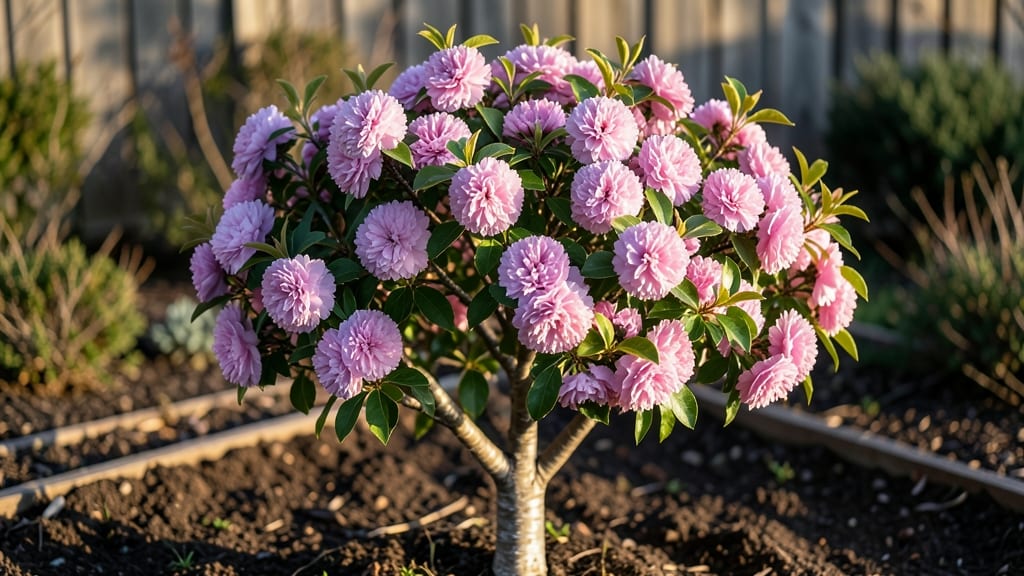
A fruitless flowering plum tree transforms your yard into a fragrant paradise without the messy fruit cleanup. 🌸 I planted mine last spring, and the intoxicating scent in early spring—before any leaves appear—still makes neighbors stop and ask what’s blooming.
The secret lies in its care: the right spot, soil, and occasional pruning keep it looking effortless year after year.
This tree thrives in full sun with well-draining soil, and it’s surprisingly low-maintenance once established. Water deeply once a week during dry spells, but avoid soggy roots. The real magic? It blooms for weeks, not just days, and the flowers attract pollinators while keeping squirrels from digging.
Pruning is minimal—just remove crossing branches in late winter to maintain its shape.
You’ll end up with a tree that’s always in bloom, even when other spring flowers fade. The petals create a soft carpet under the tree, and the fragrance lingers long after the blooms drop. Best of all, it stays compact—perfect for small yards or container growing in warmer climates.
Common challenges? Overwatering in heavy clay soil or letting it get too crowded. But with the right location and a little seasonal attention, this tree rewards you with zero effort, maximum beauty. Let’s get yours planted right!
📚 In This Guide
- What you need
- Instructions
- Tips and common mistakes
- Wrapping up and next steps
What you need
- ● Fruitless flowering plum tree: Choose a healthy, disease-resistant variety (e.g., Prunus cerasifera ‘Nigra’ or ‘Krauter Vesuvius’). Ensure it’s labeled as fruitless to avoid messy fruit.
- ● Shovel or trowel: For planting (size depends on soil type—12-inch for small holes, 18-inch for larger roots).
- ● Pruning shears: Bypass pruners (sharp, 6-8 inch blades) for clean cuts. Dull blades crush stems—avoid this!
- ● Hand pruners: For smaller branches (look for ergonomic grips to reduce hand fatigue).
- ● Gloves: Heavy-duty gardening gloves (nitrile-coated for grip and protection).
- ● Mulch: 3-4 inches of organic mulch (wood chips, bark, or straw) to retain moisture and suppress weeds.
- ● Fertilizer: Balanced, slow-release (10-10-10 or 20-20-20) or organic compost (avoid high-nitrogen fertilizers—they promote leafy growth over flowers).
- ● Watering can or hose: With a gentle spray nozzle to avoid damaging new growth.
- ● Loppers: For thicker branches (2-3 inch cuts).
- ○ Pruning sealant: Optional for large cuts (controversial—some gardeners skip it!)
- ● Soil test kit: To check pH and nutrient levels (ideal range: 6.0-7.0).
- ● Tree stake or support: If planting in windy areas (use soft ties to avoid damaging the trunk).
- ● Pest control: Neem oil or horticultural oil (preventative measure for aphids or scale).
Step-by-Step guide for planting and caring for a fruitless flowering plum tree
Here's how to establish a stunning, low-maintenance tree that rewards you with fragrance year after year.
🪴 Step 1: Choose and Prepare the Planting Site
Select a location with full sun exposure—at least 6-8 hours of direct sunlight daily. Fruitless flowering plums thrive in well-draining soil with a pH between 6.0 and 7.0. Avoid low-lying areas where water pools, as soggy roots lead to root rot.
Before planting, loosen the soil to a depth of 12-18 inches using a spade or garden fork. Amend the soil with 2-3 inches of compost to improve fertility and drainage. The hole should be twice as wide as the root ball but no deeper—this prevents soil compaction around the roots.
Here's the thing—fruitless plums grow best when planted in early spring or fall. Planting in summer heat stresses the tree, while winter planting exposes it to frost damage before roots establish. If you must plant in summer, do it on a cloudy day or water deeply afterward to reduce transplant shock.
🌱 Step 2: Plant the Tree Properly for Strong Growth
Remove the tree from its container and gently loosen the roots if they appear circling or compacted. Place the root ball in the hole so the top of the root ball sits 1-2 inches above ground level. This prevents soil from settling and burying the trunk too deeply, which can cause girdling.
Backfill the hole with native soil, tamping lightly every 2-3 inches to remove air pockets. Water thoroughly to settle the soil around the roots. The soil should feel moist but not waterlogged—you want the roots to make immediate contact with damp soil for quick establishment.
Real talk: Don't add fertilizer at planting. The shock of transplanting plus added nutrients can burn tender roots. Instead, wait 6-8 weeks until new growth appears before applying a balanced, slow-release fertilizer.
☀️ Step 3: Establish Watering and Light Routines
Water deeply 2-3 times per week for the first 3-4 months, providing 1-2 gallons of water per irrigation. The goal is to moisten the soil to a depth of 12 inches
After the first year, reduce watering to once every 1-2 weeks, depending on rainfall. Fruitless plums are drought-tolerant once established, but they reward consistent moisture with lush foliage and abundant blooms. You'll notice the tree's leaves looking slightly wilted in mid-afternoon heat—that's normal and a sign it's time to water. Mulch the base of the tree with 2-3 inches of organic mulch, keeping it 6 inches away from the trunk. This conserves moisture, regulates soil temperature, and prevents weed competition. Refresh the mulch annually as it breaks down. Prune your fruitless plum in late winter or early spring, just before new growth begins. Remove any dead, diseased, or crossing branches first—these are the weak points that can spread problems through the tree. Cut back to the branch collar, the swollen area where the branch meets the trunk. Shape the tree by thinning out crowded branches to improve airflow. You want an open, vase-like structure that lets sunlight reach all parts of the canopy. Never remove more than 25% of the tree's foliage in one pruning session—this stresses the plant unnecessarily. I know it seems counterintuitive, but fruitless plums need minimal pruning once established. The key is to intervene only when you see issues: dead wood, branches rubbing together, or growth that spoils the tree's natural shape. Healthy fruitless plums bloom prolifically with little encouragement.✂️ Step 4: Prune Strategically for Health and Beauty
Tips & tricks for perfect fruitless flowering plum trees
These pro insights will help you avoid common pitfalls and maximize that intoxicating fragrance year after year.
Soil Preparation Secret: The 12-18 inch soil loosening in Step 1 is non-negotiable for root establishment. Use a garden fork to break up compacted layers without disturbing deeper soil structure. For heavy clay soils, mix in 2-3 inches of compost as specified, but also consider adding 10% perlite or coarse sand to improve drainage—this prevents the root rot that plagues soggy conditions. Test your soil's pH before planting; if it's below 6.0, amend with lime to reach that ideal 6.0-7.0 range.
Transplanting Timing: Those 6-8 weeks before first fertilizer application in Step 2 are critical. During this period, focus on establishing root systems rather than growth. I've seen trees stressed by early fertilization develop weak stems that snap in wind. Water deeply after planting (1-2 gallons) to encourage roots to spread into surrounding soil, but avoid overwatering—soggy soil suffocates new roots.
Watering Wisdom: The 2-3 times weekly watering for the first 3-4 months requires precision. Use a moisture meter to verify 12-inch soil depth hydration—if it reads dry at that depth, water again. For container-grown trees, check soil moisture daily during summer heat; containers dry out faster. Mulching with 2-3 inches of organic material (as specified) reduces evaporation by 70%, but keep it 6 inches from the trunk to prevent rot.
Pruning Precision: When pruning in late winter/early spring, cut at the branch collar using sharp pruners—this prevents tear wounds that invite disease. For shaping, remove no more than 25% of foliage at once; I've seen trees shocked by aggressive pruning drop all their blossoms. Focus on opening the canopy to create that vase-like structure while preserving the tree's natural form. The goal is airflow, not perfection.
Pro Tips for Fruitless Flowering Plum Tree
- These pro insights will help you avoid common pitfalls and maximize that intoxicating fragrance year after year.
- Soil Preparation Secret: The 12-18 inch soil loosening in Step 1 is non-negotiable for root establishment.
- Transplanting Timing: Those 6-8 weeks before first fertilizer application in Step 2 are critical.
Frequently asked questions
Why is my fruitless flowering plum tree not blooming this year?
Blooming depends on chill hours (300–800 hours below 45°F) and proper care. If your tree skipped flowers, it may need more winter chill or balanced fertilization (too much nitrogen = fewer blooms). Check for pests or disease too—yellowing leaves or sparse buds can signal stress.
How long does it take for a fruitless flowering plum tree to bloom after planting?
Patience pays off! Most trees bloom within 2–4 years of planting, but some may take up to 5 years to reach full fragrant glory. Young trees focus on root growth first—keep them well-watered and pruned to encourage faster blooming.
Can I prune my fruitless flowering plum tree after it blooms?
Yes! Prune right after flowering (late spring) to shape the tree and remove dead wood. Avoid heavy pruning in fall/winter—it can reduce next year’s blooms. Pro tip: Use clean, sharp tools to prevent disease, and never cut more than 25% of the canopy at once.
Are there alternatives to fruitless flowering plum trees for low-maintenance blooms?
Consider these fragrant, low-fuss options:
- Bradford Pear – Showy white blooms, drought-tolerant.
- Dwarf Japanese Maple – Delicate flowers, compact size.
- Cherry Blossom (Prunus) – Classic blooms, but needs more pruning.
- Oso Berry (Symphoricarpos) – Pink flowers + berries, thrives in shade.
What should I do if my tree’s leaves are curling or spotted?
Curling or spotted leaves often signal pests (aphids, scale) or fungal issues. Start by spraying with water to dislodge pests, then apply neem oil or insecticidal soap. For fungal spots, remove affected leaves and treat with a copper fungicide. Improve airflow with light pruning to prevent recurrence.
Still stumped? Drop your question in the comments—we’re happy to help!
Wrapping up and next steps
The fruitless flowering plum tree is a dream for gardeners who crave beauty with minimal fuss—its stunning blooms and fragrant allure require far less pruning than you might expect! Whether you’re a novice or a seasoned gardener, this low-maintenance tree brings year-round charm while keeping upkeep simple.
Ready to transform your outdoor space? Start by selecting your tree, gathering the right tools, and giving it the care it deserves! 🌸✨
- Next step: Pick your spot, plant with confidence, and enjoy the effortless elegance of blooms that last!