
Flowers
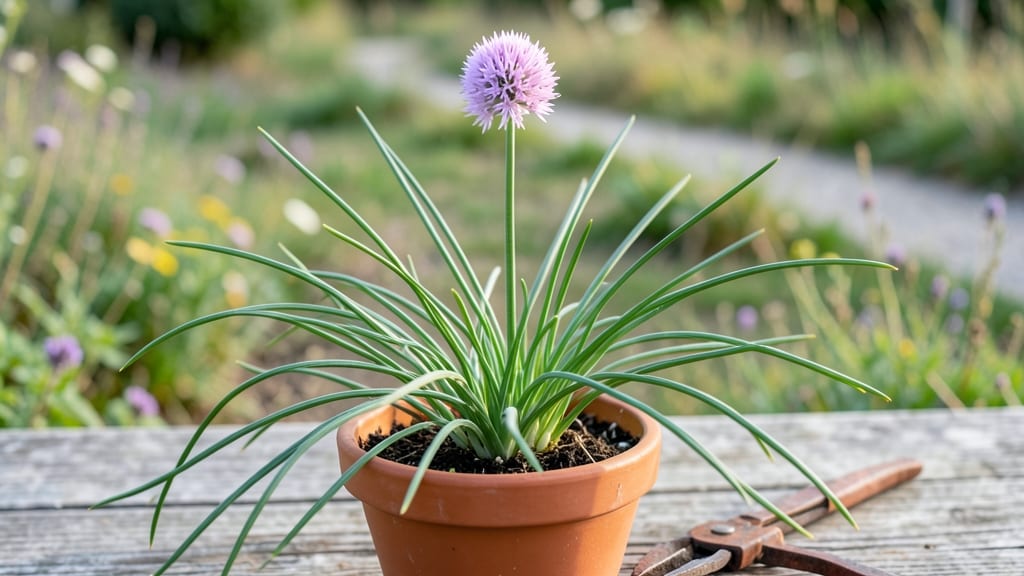
Garlic chive flowers bring lush purple blooms to containers all year, and they’re easier to grow than you’d think. ✨ I’ve watched these delicate star-shaped flowers transform my patio pots from green to purple clouds—even in winter.
The secret lies in understanding their light needs, watering rhythm, and how to coax them into flowering.
These hardy perennials thrive in pots as small as 6 inches wide, making them perfect for balconies or windowsills. They bloom from early spring through fall, with purple star-shaped flowers that attract pollinators while adding a pop of color.
The key? Consistent moisture, bright indirect light, and occasional deadheading to encourage more blooms.
You’ll end up with a fragrant, edible plant that doubles as a pollinator magnet. The flowers are mild-tasting and can be used fresh in salads or dried for teas. Plus, the more you harvest, the more they produce—creating a self-sustaining cycle of color and flavor.
Whether you’re growing them for their beauty, culinary uses, or both, garlic chives deliver year-round rewards with minimal effort. Let’s get those purple blooms going!
📚 In This Guide
- What you need
- Instructions
- Tips and common mistakes
- Wrapping up and next steps
What you need
- ● Garlic chive seeds or plants: Choose organic, non-GMO seeds (e.g., Allium tuberosum) or nursery-grown starts. Quantity: 5–10 seeds per container or 1–2 plants per 6-inch pot.
- ● Containers: Well-draining pots (6–12 inches deep) with drainage holes. Materials: Terracotta, ceramic, or fabric grow bags. Quantity: 1–2 per plant (or shared in larger pots).
- ● High-quality potting mix: Lightweight, airy blend with compost. Specification: Avoid garden soil—use a mix labeled for herbs/vegetables (e.g., 50% peat moss, 30% perlite, 20% compost). Quantity: 1–2 gallons per container.
- ● Slow-release fertilizer: Balanced (10-10-10) or organic options like worm castings. Quantity: 1 tbsp per pot at planting.
- ● Watering can or spray bottle: With a fine rose attachment for gentle watering.
- ● Pruning shears: Sharp, clean scissors for harvesting flowers.
- ● Grow lights: LED full-spectrum bulbs (12–16 hrs/day) for indoor growing in low-light spaces.
- ● Mulch: Straw or shredded leaves to retain moisture and suppress weeds.
- ● Epsom salt: 1 tsp dissolved in water monthly for magnesium boosts.
- ● Decorative stones: For aesthetic appeal and moisture regulation.
- ● Label markers: To track planting dates and varieties.
How to cultivate garlic chive flowers for continuous purple blooms
Here's the foolproof method I've used to keep garlic chives flowering nonstop in containers—no deadheading required.
🌱 Step 1: Select and Prepare Containers for Optimal Drainage
Choose containers with drainage holes at least 4 inches deep—garlic chives resent soggy roots. I prefer terracotta pots because they wick moisture away naturally. If your container lacks drainage, drill ¼-inch holes in the bottom and line with ¼-inch mesh to prevent soil loss. Fill each pot with 2-3 inches of gravel or perlite at the base to create a reservoir that prevents waterlogging.
Use a lightweight potting mix amended with 20% perlite or vermiculite—this prevents compaction and mimics the airy soil chives thrive in. I always pre-moisten the mix until it holds together when squeezed but doesn't drip. The right texture should feel like a damp sponge, not a wet rag. This ensures roots establish quickly without sitting in anaerobic conditions.
☀️ Step 2: Plant and Position for Maximum Sun Exposure
Plant 4-6 garlic chive crowns per 10-inch container, spacing them 3 inches apart in a loose circle. The crowns should sit just below the soil surface—burying them too deep encourages rot, while leaving them exposed risks drying. Gently press the soil around the bases to eliminate air pockets, then water thoroughly until moisture reaches 2 inches deep.
Place containers in full sun (6+ hours daily) for the most vibrant purple blooms. A south-facing window or balcony works, but if you're using grow lights, position them 6 inches above the plants. Here's the thing—chives will flower even in partial shade, but the blooms will be smaller and less frequent. Watch for leggy growth (stems stretching toward light) as a sign to move the container closer.
💧 Step 3: Water and Fertilize for Nonstop Blooming
Water when the top 1 inch of soil feels dry—this prevents both underwatering (which stunts flowers) and overwatering (which causes crown rot). I use a self-watering tray under containers to maintain even moisture without soggy bottoms. During hot spells, you'll need to water every 2-3 days, but in cooler weather, once a week is plenty.
Feed with a balanced liquid fertilizer (10-10-10) every 4-6 weeks during the growing season. Dilute to half-strength to avoid burning the delicate foliage. The key is consistency—chives respond to steady nutrition with longer stems and more abundant flowers. I also sprinkle ½ teaspoon of compost around the base monthly to boost microbial activity in the soil.
✂️ Step 4: Prune Strategically to Encourage More Blooms
Here's where it gets fun—garlic chives are self-cleaning, but you can coax even more flowers by snipping spent blooms at the base after they fade. This redirects energy to new growth. I use clean, sharp scissors to avoid crushing stems, and I always cut just above a leaf node to encourage branching. Don't remove more than ⅓ of the plant at once, or you'll shock the crown.
In late fall, reduce watering to every 10-14 days and stop fertilizing entirely. The plants will go semi-dormant but stay alive in containers. Come spring, trim back any dead foliage and resume regular care. This seasonal reset keeps chives flowering year after year without replanting. The secret? Never let them dry out completely—even in winter, a light misting weekly prevents desiccation.
Tips & tricks for perfect garlic chive flowers
Took me years to figure out these container-growing secrets—here's how to get those purple blooms thriving all year.
Container Depth Matters: The 4-inch minimum depth requirement isn't arbitrary—garlic chives develop robust root systems that need room to breathe. I've seen shallow pots (under 3 inches) lead to root-bound plants that flower sporadically. If you're working with shallow containers, consider using 2-inch deep hanging pots instead—they create a vertical growing space that works surprisingly well for chives.
Sunlight Strategy: That 6 hours of full sun is non-negotiable for vibrant purple blooms, but here's the thing—chives are surprisingly adaptable. In winter when daylight is short, supplement with LED grow lights on a 14-hour timer positioned 6 inches above the plants. The key is maintaining consistent light exposure throughout all seasons to prevent leggy growth.
Watering Wisdom: The top 1 inch dry rule works, but I've found a self-watering tray makes all the difference in maintaining consistent moisture. Fill the tray with 1 inch of water and place your container on top—this creates a reservoir that keeps roots hydrated without waterlogging. During summer, I check the tray water daily to prevent evaporation from drying out the soil too quickly.
Fertilizer Timing: That 4-6 week feeding schedule is perfect, but here's what nobody tells you—chives respond better to morning applications when the plants are actively photosynthesizing. I also mix in ½ teaspoon of compost monthly because the microbial activity boosts nutrient uptake. The secret to abundant blooms? Consistent nutrition without overfeeding—chives are sensitive to salt buildup from fertilizers.
Pro Tips for Garlic Chive Flowers
- Took me years to figure out these container-growing secrets—here's how to get those purple blooms thriving all year.
- Container Depth Matters: The 4-inch minimum depth requirement isn't arbitrary—garlic chives develop robust root systems that need room to breathe.
- Sunlight Strategy: That 6 hours of full sun is non-negotiable for vibrant purple blooms, but here's the thing—chives are surprisingly adaptable.
Frequently asked questions
When do garlic chive flowers bloom, and how long does the flowering season last?
Garlic chive flowers typically bloom in early to mid-spring, often between March and May, depending on your climate. With proper care, they may produce a second flush of blooms in late summer or fall. In warmer regions, you might even enjoy year-round blooms if grown in containers!
Can I grow garlic chive flowers from seed, or do I need to start with transplants?
You can absolutely grow garlic chive flowers from seeds! Sow them indoors 6-8 weeks before the last frost or directly in the garden after all danger of frost has passed. They germinate quickly (usually within 7-14 days) and thrive in well-draining soil with full sun to partial shade.
Why aren’t my garlic chive flowers blooming? Troubleshooting tips!
If your garlic chives aren’t flowering, check these common issues:
- Not enough light: Move to a sunnier spot (they need 4-6 hours of direct sun).
- Overcrowding: Thin out plants to give them space to spread (12-18 inches apart).
- Nutrient deficiency: Feed with a balanced fertilizer (like 10-10-10) in early spring.
- Cold snaps: Protect from frost—they’re hardy but prefer consistent warmth.
Give it time! Some varieties take 2-3 years to fully mature and bloom.
What can I do with garlic chive flowers besides admire their beauty?
Oh, so much! Use them to:
- Garnish dishes: Edible and mildly garlicky—perfect for soups, salads, or as a colorful rim for cocktails!
- Make floral honey: Plant near bee-friendly gardens for unique, aromatic honey.
- Dry for potpourri: Bundle and hang to preserve their purple hue and fresh scent.
- Create infused oils/vinegars: Steep in olive oil or apple cider vinegar for a subtle garlicky kick.
Are garlic chive flowers invasive? Should I worry about them spreading?
Garlic chives are not invasive like some aggressive perennials, but they do spread via underground rhizomes. To control growth:
- Divide clumps every 2-3 years to prevent overcrowding.
- Plant in containers if space is limited—they’ll stay contained!
- Deadhead spent blooms to encourage more flowers and reduce self-seeding.
With a little maintenance, they’ll stay beautifully behaved in your garden!
Wrapping up and next steps
Garlic chive flowers bring vibrant purple blooms and easy-growing charm to your containers year-round—whether you’re a beginner or a seasoned gardener! 🌸 With the right soil, sunlight, and care, these edible beauties thrive effortlessly, adding flavor and color to your space.
Now that you’re armed with tips on planting, pruning, and troubleshooting, why not take the next step?
- Start small: Try a single pot or window box to test your green thumb!
- Experiment: Mix them with herbs or lettuce for a stunning edible garden.
- Share the joy: Gift a cutting to a fellow plant lover—these flowers spread happiness (and blooms)!
Your garlic chive flowers are waiting for you—grab your gloves and get growing! 🌱