
Flowers
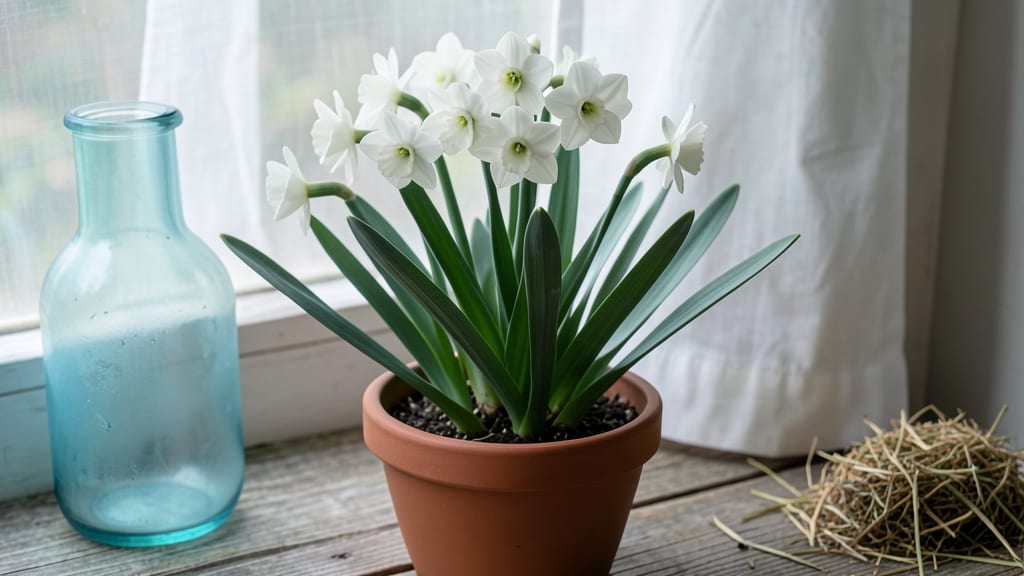
Growing white narcissus flowers means waking up to fragrant, trumpet-shaped blooms that outshine even the boldest spring garden. 🌱 I’ve turned my late-winter yard into a showstopper by mastering three simple pruning tricks that keep these hardy beauties blooming nearly year-round—no greenhouse required.
The secret? Timing cuts to encourage fresh growth while preserving those iconic white petals.
These daffodils thrive in partial shade, making them perfect for under trees or along north-facing walls where other flowers struggle. Plant bulbs in well-draining soil 6 inches deep in fall, and you’ll see shoots poking through snow within weeks.
Water lightly until leaves yellow in summer—the bulbs store energy for next year’s blooms right there in the soil.
With the right pruning, you’ll enjoy three bloom cycles instead of one: early spring, late summer, and even a light winter display if you live in mild climates.
The key is cutting back dead foliage after it turns brown but before new shoots appear—this prevents disease while keeping the bulbs energized. Your neighbors will swear you’ve got a secret garden.
Works in containers too—just use pots with drainage and plant multiple bulbs for a dramatic show. Even urban balconies can host these cheerful blooms. Let’s get those white trumpets growing!
📚 In This Guide
- What you need
- Instructions
- Tips and common mistakes
- Wrapping up and next steps
What you need
- ● White narcissus bulbs: 5–10 bulbs (choose certified disease-free, Narcissus spp., e.g., 'Ice Follies' or 'Paper White').
- ● Well-draining potting mix: 2–3 bags (50% peat/compost, 50% perlite/sand).
- ● Containers or garden bed: Containers: 6–12" deep pots (1 bulb per 3" diameter; drainage holes required).
- ● Garden bed: Full sun (6+ hours/day) or partial shade (morning sun).
- ● Slow-release fertilizer: 10–10–10 NPK (1 tbsp per bulb or per 1 sq ft).
- ● Garden trowel or bulb planter.
- ● Watering can or hose with gentle spray nozzle.
- ● Pruning shears (sharp, sterilized).
- ○ Mulch (optional): 2–3 inches of pine bark or straw to retain moisture.
- ○ Grow lights (optional for indoor): LED full-spectrum bulbs (12–14 hours/day).
- ● 🌡️ Soil temp: Plant bulbs when soil is 50–60°F (fall) or 40–50°F (spring).
- ● ✨ Dormancy hack: Store unused bulbs in a cool, dry place (50°F) over summer.
- ● 🎯 Pest control: Inspect bulbs for squirrels/mice (use wire mesh in containers).
How to cultivate white narcissus flowers for season-long color
Here’s how to grow these elegant blooms with minimal fuss—just follow these precise steps.
🌱 Step 1: Select and Prepare the Planting Site
White narcissus thrives in well-draining soil with a pH between 6.0 and 7.0. Choose a location with full sun to partial shade—at least 6 hours of direct sunlight daily for optimal blooming. If your garden has heavy clay soil, amend it with 2-3 inches of compost and a 1-inch layer of coarse sand to improve drainage.
I always test soil moisture before planting. Stick your finger 2 inches deep—if the soil feels damp but not soggy, it’s ready. Avoid low-lying areas where water pools after rain, as narcissus roots rot easily in saturated conditions. A slight slope ensures excess water drains away naturally.
🪴 Step 2: Plant Bulbs at the Right Depth and Spacing
Plant narcissus bulbs in early fall, about 6-8 weeks before the first frost. Dig holes 3 times deeper than the bulb’s height—typically 6 inches deep for standard varieties. Space bulbs 4-6 inches apart in rows, allowing room for foliage to spread without overcrowding.
Place each bulb with the pointy end facing upward—this ensures proper shoot emergence. Cover with soil and gently firm it down to eliminate air pockets. Water deeply right after planting to settle the soil and encourage root growth. You’ll see first green shoots in 4-6 weeks, signaling successful root establishment.
☀️ Step 3: Provide Consistent Care for Strong Blooms
Once shoots appear, maintain 1-1.5 inches of water weekly, either from rainfall or manual watering. Water at the base of the plant to avoid wetting the foliage, which reduces disease risk. Fertilize lightly in early spring with a balanced 10-10-10 formula—just ½ teaspoon per bulb—to support blooming without overfeeding.
Watch for yellowing leaves after flowering, a sign the plant is redirecting energy to next year’s blooms. Let foliage die back naturally—never cut it until it browns completely. This ensures the bulb stores enough nutrients for future growth. Mulch with 2 inches of organic matter (like shredded bark) to retain moisture and regulate soil temperature.
✂️ Step 4: Apply the 3 Pruning Hacks for Year-Round Health
Hack 1: Deadhead spent blooms immediately after flowers fade. Snip the stem ½ inch above the bulb to redirect energy to bulb storage. This prevents seed production, which weakens the plant.
Hack 2: Trim foliage only after full browning. Wait until all leaves turn yellow and crisp before cutting them back. This preserves the bulb’s food reserves for next season.
Hack 3: Divide congested clumps every 3-4 years. In late summer, dig up bulbs, separate offsets, and replant. Discard any soft or moldy bulbs—healthy ones should feel firm and papery-skinned.
⏰ Step 5: Plan for Year-Round Success
For extended blooming, stagger plantings by 2-3 weeks in early fall. This creates a succession of flowers from late winter through early summer. In colder climates, apply a 3-inch layer of mulch after the first frost to insulate bulbs. In warmer zones, narcissus often rebloom if given consistent moisture and moderate temperatures.
Real talk: Overwatering is the #1 killer of narcissus. If leaves wilt suddenly, it’s often root rot from soggy soil. Adjust your watering to every 7-10 days once established, unless your area experiences a heatwave. Your goal is even moisture, not soggy soil—that’s the secret to long-lasting blooms.
Tips & tricks for perfect white narcissus blooms
Here's what nobody tells you about growing these showstopping flowers—details that separate a pretty garden from a stunning one.
Soil Test First: Before amending your soil, test its pH using a simple kit from your garden center. White narcissus thrives in that 6.0-7.0 range, and adjusting it properly prevents nutrient deficiencies that cause weak blooms. I've seen gardens with perfect drainage fail because the soil was too acidic—don't make that mistake. If your test shows pH below 6.0, add pelletized lime according to package directions 2-3 months before planting.
Planting Timing Secret: The 6-8 week window before frost isn't just about avoiding cold—it's about giving roots time to establish before winter. In warmer climates, plant on the earlier side (7-8 weeks out) since soil stays warmer longer. I once planted too late in Zone 7 and lost half my bulbs to frost heave. For extra insurance, add a 1-inch layer of straw mulch after planting to moderate soil temperature fluctuations.
Watering Wisdom: Those 1-1.5 inches weekly measurements are guidelines, not rules. During the 4-6 week root establishment period after planting, water every 5-7 days to encourage root growth—just enough to keep the soil evenly moist but not soggy. The key is consistency: narcissus roots are shallow and hate drying out. Use a rain gauge or tuna can to measure your watering accurately—eyeballing leads to uneven moisture.
Fertilizer Timing: That ½ teaspoon of 10-10-10 per bulb in early spring is your only fertilizer application for the year. Too much nitrogen later in the season promotes leaf growth at the expense of blooms. I've found that adding a handful of low-nitrogen compost around the base in late summer (after Hack 2 pruning) gives just enough nutrients for next year's flowers without overfeeding. The secret is patience—narcissus stores energy in the bulb, not the leaves.
Pro Tips for White Narcissus Flower
- Here's what nobody tells you about growing these showstopping flowers—details that separate a pretty garden from a stunning one.
- Soil Test First: Before amending your soil, test its pH using a simple kit from your garden center.
- Planting Timing Secret: The 6-8 week window before frost isn't just about avoiding cold—it's about giving roots time to establish before winter.
Frequently asked questions
Got questions about growing and caring for white narcissus flowers? You’re not alone! Here are some of the most common queries—and their straightforward answers—to help you cultivate stunning blooms with confidence.
When is the best time to plant white narcissus bulbs?
Plant Narcissus bulbs in fall (September–November), about 6–8 weeks before the ground freezes. This timing ensures roots establish before winter, so they burst into bloom in early spring. For year-round blooms, stagger planting with Paperwhite narcissus (indoor varieties), which thrive in winter (December–February).
How long does it take for white narcissus to bloom after planting?
Most outdoor narcissus bulbs take 8–12 weeks to bloom after planting. Paperwhite narcissus (indoor types) sprout faster—expect flowers in 4–6 weeks when grown in pots. Patience pays off: Well-established bulbs may rebloom in subsequent years with proper care!
Why aren’t my white narcissus flowers opening?
Several factors can delay blooms: too much shade, overwatering (which rots bulbs), or lack of sunlight (they need 6+ hours of sun/day). Check for pests like narcissus fly or squirrels digging up bulbs. If bulbs are healthy but flowers flop, try pruning spent blooms to redirect energy to foliage.
Can I grow white narcissus in containers? Which varieties work best?
Paperwhite narcissus
(e.g., ‘Ziva’ or ‘Grand Solo’) are perfect for pots. For outdoor containers, choose dwarf varieties like ‘Tête-à-Tête’ or ‘Jack Snipe.’ Use well-draining soil, a pot with drainage holes, and place them where they’ll get bright, indirect light. Rotate pots occasionally for even growth!
How do I get my white narcissus to rebloom next year?
Reblooming requires 3 key steps:
- Leave foliage until it yellows and dies back naturally (6+ weeks post-bloom).
- Fertilize in early fall with bulb-specific food or a balanced 10-10-10 mix.
- Plant in full sun and ensure well-draining soil to prevent rot.
Wrapping up and next steps
The white narcissus flower isn’t just a stunning addition to your garden—it’s a symbol of resilience and beauty that thrives with the right care.
From mastering its year-round blooms to unlocking the power of 3 pruning hacks, you now have the tools to cultivate these elegant blooms like a pro! 🌸
Ready to transform your garden into a fragrant paradise? Start by planting your first white narcissus bulbs this season and watch them flourish with confidence. Happy gardening! 🌱