
Flowers
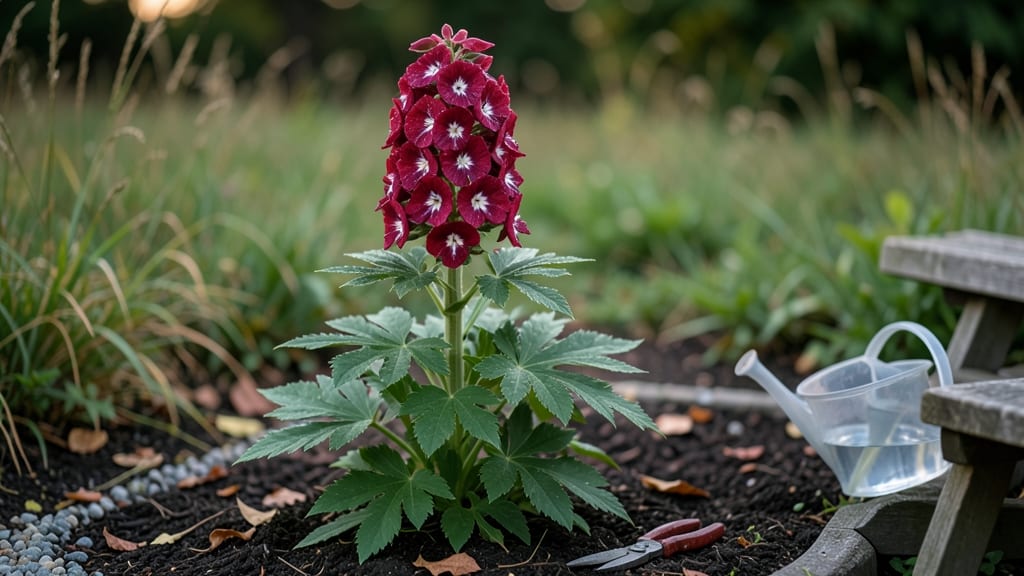
Nothing says "wow" like a giant red flower reaching for the sky—those towering blooms that make every garden feel like a grand stage. 🌸 I still remember the first time I saw a Dahlia stand taller than me, its petals unfurling like a crimson sunset, and I knew my landscape needed that kind of drama.
These bold beauties don’t just fill space; they command it, turning ordinary borders into showstopping backdrops.
The secret to their impact isn’t just their size—it’s how you place them. Try them as a focal point near patios or pathways, where their height draws the eye. Pair them with silver foliage (like lamb’s ear) or deep greens (like hostas) to make the red pop even more.
Even in containers, a single giant red bloom becomes a conversation starter—imagine a Hibiscus in a large pot on your deck, its flowers the size of dinner plates.
What you’ll love most is how they transform a space in just a few weeks. Picture Delphiniums spiking upward in early summer, their spires dusted with bees, or Lilium regale nodding in late-season elegance.
The best part? They grow more impressive each year, their roots spreading wider and their stems reaching higher. With the right companions, your garden won’t just look stunning—it’ll feel like a masterpiece.
Works for city gardens, rural landscapes, or even small yards—just choose the right variety for your space. Let’s make your outdoor drama unforgettable.
📚 In This Guide
- What you need
- Instructions
- Tips and common mistakes
- Wrapping up and next steps
What you need
- ● Giant Red Flower Plant: 1 mature plant (if transplanting) or seeds (if starting from scratch). Popular varieties include Delphinium elatum (Giant Larkspur) or Rudbeckia maxima (Giant Coneflower).
- ● Seedlings: 3–6 healthy, disease-free seedlings (if growing from seed).
- ● Soil: 5–10 gallons of well-draining, fertile garden soil (amended with compost or organic matter).
- ● pH Level: Aim for 6.0–7.0 (neutral to slightly acidic).
- ● Fertilizer: 1 cup of balanced, slow-release fertilizer (10-10-10 or 5-10-10 NPK ratio).
- ○ Optional: 1 tbsp of fish emulsion or kelp meal for extra nutrients.
- ● Gardening Gloves (1 pair) – To protect your hands from thorns or rough stems.
- ● Trowel or Transplant Spade – For digging holes (6–12 inches deep, depending on root size).
- ● Watering Can or Hose – With a gentle spray nozzle for hydration.
- ● Mulch (2–3 inches of wood chips or straw) – To retain moisture and suppress weeds.
- ● Stakes or Support (if needed) – Tall varieties may require bamboo stakes or tomato cages for stability.
- ● Pruners – For trimming dead foliage or shaping the plant.
- ● Sunlight: Full sun (6–8 hours daily)—these beauties thrive in bright, open spaces!
- ● Climate: Hardiness Zones: 3–9 (check your local zone here).
- ● Best Planting Time: Early spring (after last frost) or late summer (for fall blooms).
- ● Space: 3–5 feet apart (allow room for their towering growth!).
- ● Water Access: Consistent moisture (but avoid waterlogging).
- ● 🔥 Test your soil—amend with compost if it’s too sandy or clay-heavy.
- ● 🌡️ Water deeply 2–3 times per week (more in extreme heat).
- ● ✨ Deadhead spent blooms to encourage continuous flowering.
Step-by-step instructions for planting and cultivating a striking giant red flower
Here's how to transform your landscape with a bold, commanding red bloom that steals the show.
🌱 Step 1: Select the Perfect Location for Maximum Impact
Giant red flowers thrive in full sun, so choose a spot that receives at least 6-8 hours of direct sunlight daily. The more sun, the more vibrant and larger the blooms will grow. Avoid areas with afternoon shade, as this can cause the flowers to fade or fail to reach their full potential.
Check the soil drainage by digging a small hole—if water pools after 30 minutes, amend the soil with 2-3 inches of organic matter (like compost) to improve aeration. Heavy clay soil can drown the roots, while sandy soil may not retain enough moisture for those dramatic red canopies.
🪴 Step 2: Prepare the Soil for Healthy Root Development
Loosen the soil to a depth of 12-18 inches using a garden fork or tiller. This ensures roots can spread freely without resistance. Mix in 2-3 inches of compost or well-rotted manure to enrich the soil with nutrients—giant red flowers are heavy feeders and need fertile ground to support their massive blooms.
Spread a 2-inch layer of mulch around the planting area (but keep it 3-4 inches away from the stem once planted). This helps retain moisture, regulate soil temperature, and prevent weeds from competing for nutrients. Use organic mulch like wood chips or shredded bark for best results.
☀️ Step 3: Plant at the Right Depth and Spacing
Dig a hole twice as wide as the root ball but no deeper—planting too deep can suffocate the roots. Gently remove the plant from its container and place it in the hole, ensuring the top of the root ball sits level with the surrounding soil. Press the soil lightly around the roots to eliminate air pockets.
Space plants 6-10 feet apart, depending on the variety, to allow for full growth without overcrowding. Giant red flowers need room to develop their signature bold canopies, so resist the urge to plant them too closely. Water deeply after planting to settle the soil and encourage root establishment.
💧 Step 4: Water and Fertilize for Vibrant Blooms
Water deeply once a week, providing 1-1.5 inches of water per session. Giant red flowers have deep root systems, so shallow watering encourages weak roots. Check moisture by sticking your finger 2 inches into the soil—if it feels dry, it’s time to water.
Apply a balanced, slow-release fertilizer (like 10-10-10) at planting and again mid-season to support the plant’s nutrient demands. Avoid high-nitrogen fertilizers, which promote leafy growth at the expense of bold red blooms. Follow package instructions for application rates.
✂️ Step 5: Prune and Maintain for Long-Lasting Beauty
Deadhead spent blooms regularly to encourage continuous flowering. Simply pinch or cut off faded flowers just above a set of healthy leaves. This redirects the plant’s energy toward producing new blooms instead of seeding.
Prune leggy or overcrowded stems in early spring to improve air circulation and shape the plant. Avoid heavy pruning in late summer, as this can reduce next year’s bloom potential. Watch for signs of stress, like yellowing leaves or wilting, which may indicate overwatering or pest issues.
Tips & tricks for perfect giant red flower cultivation
Took me a while to figure these out, so here goes—these are the game-changers for growing showstopping red blooms.
Sunlight Strategy: That 6-8 hours of direct sunlight is non-negotiable for vibrant red blooms. I've seen flowers fade dramatically when planted in partial shade—even just an hour less sunlight can dull that signature bold hue. If your yard has afternoon shade, consider using a reflective surface like a white wall or light-colored gravel nearby to bounce extra light onto the plants. The deeper the red, the more sunlight they've received.
Soil Prep Secret: When amending your soil with 2-3 inches of compost, don't just spread it on top. Work it deeply into the loosened soil (those 12-18 inches matter!) to create a nutrient-rich zone where roots can really establish. I've found that mixing in a handful of bone meal at planting time gives an extra phosphorus boost, which is crucial for those dramatic flower canopies. Just be careful not to overdo it—too much phosphorus can burn tender roots.
Planting Depth Caution: The level-with-surrounding-soil rule is critical because these plants develop extensive root systems that need room to expand. I once planted one too deep by accident, and it struggled for months before finally recovering. If you're unsure, dig a small test hole nearby—when you place the root ball in, the top should align perfectly with the surrounding soil line. A simple trick: use a small stake or marker to mark the root ball's top before planting as your reference point.
Watering Wisdom: Those 1-1.5 inches of water per week should be delivered all at once rather than in frequent shallow waterings. I've seen many gardeners overwater by checking soil moisture too often—stick to that 2-inch soil check guideline. For container-grown giant red flowers, you'll need to water even more frequently (every 2-3 days) because pots dry out much faster than garden beds. The key is getting water deep enough to reach those 12-18 inch roots where they'll really benefit.
Pro Tips for Giant Red Flower
- Took me a while to figure these out, so here goes—these are the game-changers for growing showstopping red blooms.
- Sunlight Strategy: That 6-8 hours of direct sunlight is non-negotiable for vibrant red blooms.
- Soil Prep Secret: When amending your soil with 2-3 inches of compost, don't just spread it on top.
Frequently asked questions
Got questions about growing or caring for a giant red flower? You’re not alone!
Here are some of the most common queries—plus straightforward answers to help you nail that showstopping bloom.
What’s the best giant red flower for beginners?
Start with the Canna lily or Hibiscus rosa-sinensis. Both are hardy, fast-growing, and thrive in full sun with minimal fuss. Avoid delicate varieties like Amorphophallus titanum (the "corpse flower") unless you’re ready for high-maintenance drama!
How long does it take for a giant red flower to reach full bloom?
Timing varies! Canna lilies may bloom in 6–8 weeks after planting, while Hibiscus can take 3–6 months to hit peak size. Patience pays off—think of it as nature’s slow-motion firework!
Do giant red flowers need extra watering?
Yes! These thirsty beauties often require 1–2 inches of water weekly, especially during dry spells. Mulch around the base to retain moisture, but avoid soggy soil—root rot is a silent killer.
Can I grow a giant red flower in a pot?
Choose a large container (15+ gallons) with drainage holes and a well-draining mix. Hibiscus and Canna lilies adapt well, but repot every 2–3 years to refresh nutrients. Just ensure it gets 6+ hours of sunlight daily.
What pests should I watch for with giant red flowers?
Keep an eye out for aphids, spider mites, and slugs. Neem oil or insecticidal soap works for soft-bodied pests, while beer traps (yes, really!) deter slugs. Prevention tip: Prune regularly to improve airflow and reduce hiding spots.
Can giant red flowers survive winter?
It depends! Hibiscus (tropical) needs winter protection (move indoors or mulch heavily), while Canna lilies (hardy in zones 8–11) can be dug up and stored in dry peat moss. Check your USDA zone—when in doubt, consult a local nursery.
Wrapping up and next steps
The giant red flower isn’t just a stunning addition to your garden—it’s a bold statement that transforms any landscape into a breathtaking masterpiece. 🌸 From its striking visual impact to its low-maintenance care, this floral giant is perfect for adding drama and elegance to your outdoor space.
Ready to bring this showstopper to life? Start by sourcing your plant from a trusted nursery, then follow the care tips shared above to ensure it thrives.
Whether you’re a seasoned gardener or a beginner, this flower’s resilience and beauty make it a rewarding project—so roll up your sleeves and get planting!