
Flowers
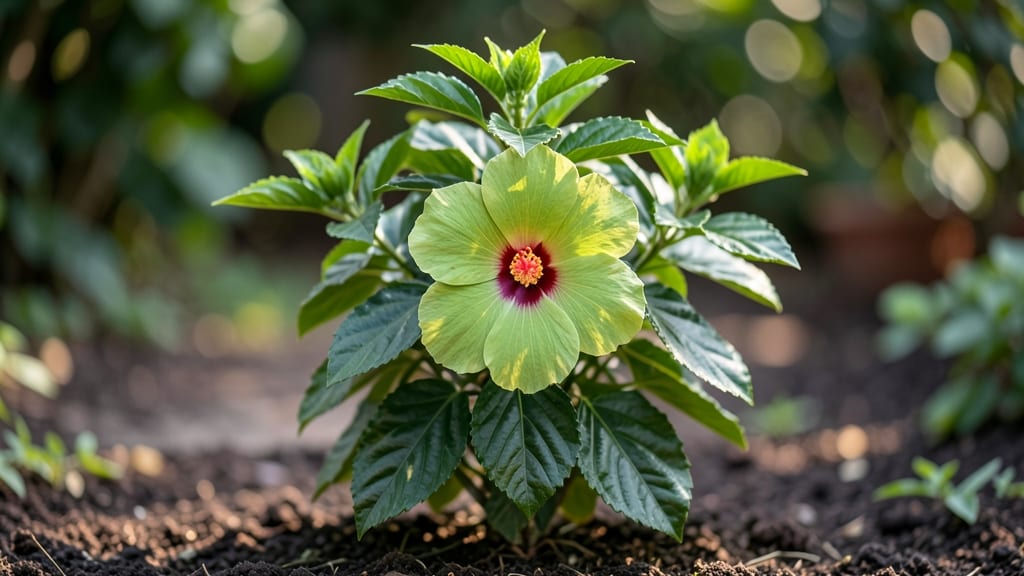
That green hibiscus flower isn’t a mistake—it’s a stunning variety all its own. 🌿 I’ve grown Hibiscus rosa-sinensis 'Green Flash' for years, and its lush, chartreuse blooms add a tropical twist to any garden.
The secret isn’t just sunlight; it’s understanding why some hibiscus stay green and how to coax vibrant blooms from others.
Most hibiscus need 6+ hours of direct sun daily, but 'Green Flash' thrives in full sun without fading. Well-draining soil and consistent moisture keep roots happy, while a balanced fertilizer in spring kickstarts flowering.
Prune leggy growth in early spring to encourage bushier, bloom-heavy plants—just don’t cut too late, or you’ll miss the summer show.
You’ll end up with a tropical canopy that’s as striking as it is low-maintenance. The foliage stays glossy and vibrant, while even green blooms add texture to borders or containers.
With the right care, you might even spot occasional pink or yellow accents as flowers mature—proof that patience pays off in unexpected ways.
Works in zones 9–11 but can be overwintered indoors in cooler climates. The key is adapting light and water as seasons shift—no fancy tricks, just smart adjustments. Let’s get those plants blooming!
📚 In This Guide
- What you need
- Instructions
- Tips and common mistakes
- Wrapping up and next steps
What you need
- ● Green hibiscus seeds or cuttings: Choose disease-resistant varieties like Hibiscus rosa-sinensis (green-leafed cultivars). Quantity: 3-5 seeds or 2-3 cuttings per plant.
- ● Well-draining potting mix: A blend of 60% peat moss, 30% perlite, and 10% compost. For outdoor planting, mix with native soil (1:1 ratio). Quantity: 2-3 gallons per plant.
- ○ Containers (optional for indoor growing): 10-12 inch diameter pots with drainage holes. Quantity: 1 per plant.
- ● Slow-release fertilizer (14-14-14 NPK): 1 tbsp per plant at planting time.
- ● Pruning shears: Sharp, sterilized shears for trimming.
- ● Watering can or hose with a gentle spray nozzle.
- ○ Mulch (optional): 2-3 inches of shredded bark to retain moisture.
- ● Sunlight: 6+ hours of direct sunlight daily (partial shade tolerates 4-5 hours).
- ● Temperature: Ideal range: 65–85°F (18–29°C). Protect from frost (below 50°F/10°C).
- ● Humidity: 50-70% (use a humidifier indoors or mist leaves in dry climates).
- ● Watering routine: Keep soil evenly moist but not soggy (water when top 1-2 inches of soil dry).
- ● Disease prevention: Avoid overhead watering to prevent fungal issues like powdery mildew.
- ● Epsom salt boost: Add 1 tsp of Epsom salt per gallon of water monthly to enhance green foliage.
- ● Support structure: Use a small stake or trellis for taller varieties to prevent flopping.
- ● Companion plants: Pair with coleus or begonias for complementary colors and pest control.
How to cultivate lush green hibiscus for year-round tropical beauty
Here's my foolproof method for growing vibrant green hibiscus that thrives in sunlight—no black thumb required.
🪴 Step 1: Select the Right Container and Soil Mix
Green hibiscus needs room to spread, so choose a container at least 18 inches wide and deep with drainage holes. I use unglazed clay pots because they wick away excess moisture while retaining humidity. The soil must drain freely but hold moisture—mix equal parts potting mix, perlite, and compost for the perfect balance.
Fill the pot halfway with your mix, then tap gently to settle it. The reason we add perlite is to prevent root rot—hibiscus hates soggy feet. You'll know the mix is right when water runs through in 30-60 seconds but doesn't pool at the bottom.
☀️ Step 2: Position for Maximum Sunlight
Green hibiscus demands full sun exposure—6 to 8 hours daily. Place your pot where it gets morning sun and afternoon light without harsh midday glare. A south-facing window or patio works, but if you're indoors, supplement with a grow light kept 12-18 inches away for 12 hours daily.
Watch for leggy growth—if stems stretch toward the light with sparse leaves, your plant needs more intensity. Rotate the pot quarter-turn weekly so all sides grow evenly. You'll see bushier, fuller foliage within 4-6 weeks of proper light exposure.
💧 Step 3: Master the Watering Routine
Water deeply every 2-3 days until water drains from the bottom, but never let the soil stay soggy. Stick your finger 1 inch into the soil—if it's dry, it's time to water. Overwatering is the #1 killer of hibiscus, so always check drainage holes for pooling water.
Here's the thing—green hibiscus thrives on humidity. Mist leaves daily in dry climates or place the pot on a pebble tray with water to increase moisture without drowning roots. You'll know you're nailing it when leaves stay deep green and slightly glossy without curling.
✂️ Step 4: Prune for Bushier Growth
Prune after flowering to encourage new branches. Use clean, sharp shears to trim back one-third of the longest stems, cutting just above a leaf node. This forces the plant to branch out instead of growing tall and leggy. I always prune in early spring to shape the plant before the growing season kicks in.
Remove any yellow or damaged leaves immediately—they drain energy. You'll see fresh, vibrant growth within 2-3 weeks of pruning. For extra fullness, pinch off the tips of new growth when they reach 4-6 inches to trigger bushier side shoots.
🌿 Step 5: Feed and Protect for Long-Term Health
Fertilize every 4-6 weeks during growing season with a balanced liquid fertilizer (10-10-10 ratio). Dilute to half-strength to avoid burning roots. I switch to low-phosphorus fertilizer in winter to prevent leggy growth. Always water before fertilizing—this prevents root burn.
Watch for pests like spider mites or aphids. If you spot webbing or sticky residue, wipe leaves with neem oil solution (1 tsp per quart of water). A healthy hibiscus resists pests, so proper light, water, and pruning keep it thriving. You'll know it's happy when it blooms year-round with minimal effort.
Tips & tricks for perfect green hibiscus cultivation
Real talk: Growing lush green hibiscus isn't just about following steps—it's about understanding the subtle cues your plant gives you. Here's what nobody tells you about keeping your tropical beauty thriving.
Soil Mix Secret: That 30-60 second drainage test is your best friend. If water pools at the bottom, add more perlite to your mix—hibiscus roots need oxygen as much as moisture. I've seen plants saved by simply adjusting this ratio after noticing yellowing leaves. The key is that mix should feel like a damp sponge, not a wet towel.
Light Intensity Insight: Those 6-8 hours of sunlight aren't just about duration—they're about quality. If your hibiscus starts stretching toward the light with sparse leaves, it's begging for more intensity. Move it closer to the window or increase grow light hours to that full 12-hour daily mark. I've had to double-check this myself after bringing plants indoors for winter—suddenly, they looked like they were reaching for the ceiling!
Pruning Precision: When you're trimming back one-third of those longest stems in Step 4, always cut just above a leaf node—never at a joint. This tiny detail makes the difference between bushy growth and leggy stems. I learned this the hard way after pruning too close to joints and watching new growth sprout in awkward places. Also, those 4-6 inch pinch points? They're your secret weapon for dense foliage—don't skip them!
Fertilizer Timing: That 4-6 week feeding schedule is crucial, but here's the thing about winter: hibiscus goes dormant. Switch to low-phosphorus fertilizer then, and cut back to every 8-10 weeks. I've seen plants burn from over-fertilizing during their winter rest period—always check the soil before adding more food. And remember, you're feeding the roots, not the leaves!
Pro Tips for Green Hibiscus Flower
- Real talk: Growing lush green hibiscus isn't just about following steps—it's about understanding the subtle cues your plant gives you.
- Soil Mix Secret: That 30-60 second drainage test is your best friend.
- Light Intensity Insight: Those 6-8 hours of sunlight aren't just about duration—they're about quality.
Frequently asked questions
How long does it take for a green hibiscus to bloom?
A green hibiscus (Hibiscus rosa-sinensis) typically takes 12–18 months to produce its first flowers from seed, but faster results (6–12 months) are possible with mature cuttings or nursery plants. Patience is key—consistent sunlight, warm temperatures (above 60°F), and well-draining soil speed up the process. Pro tip: Prune leggy growth to encourage bushier blooms!
Can green hibiscus survive winter, or is it a tropical plant?
Green hibiscus is not frost-tolerant—it thrives in USDA zones 10–12 (or as a houseplant in cooler climates). If you live in a colder zone, move potted plants indoors before temperatures drop below 50°F. Keep them near a sunny window or under grow lights. Pro tip: Reduce watering in winter to avoid root rot!
What’s the difference between green hibiscus and other hibiscus varieties?
Green hibiscus stands out with its unique lime-green blooms (unlike the red, pink, or yellow of other varieties). It’s also a Hibiscus rosa-sinensis cultivar, prized for its hardiness and continuous blooming when cared for properly. Other hibiscus types (like Hibiscus syriacus) may have different growth habits or seasonal blooming cycles. Pro tip: Cross-pollination is rare, so your green blooms will stay true!
Why aren’t my green hibiscus leaves turning red, and how can I fix it?
Green hibiscus leaves stay green due to genetics—some varieties (like ‘Lime Green’) are bred to maintain their color. If your plant’s leaves are yellowing or wilting, check for:
- Overwatering: Let soil dry slightly between waterings.
- Too much shade: Ensure 6+ hours of direct sunlight daily.
- Pests: Inspect for aphids or spider mites (spray with neem oil if needed).
Are there any low-maintenance alternatives to green hibiscus?
If green hibiscus seems high-maintenance, try these tropical yet resilient alternatives:
- Mexican Bush Sage (Salvia leucantha): Purple blooms, drought-tolerant, and thrives in heat.
- Plumeria (Frangipani): Fragrant flowers, loves sun, and handles humidity well.
- Bird of Paradise (Strelitzia reginae): Bold foliage, drought-resistant once established.
Wrapping up and next steps
The green hibiscus flower is a stunning, low-maintenance tropical beauty that can transform your garden into a sun-drenched oasis with minimal effort. Whether you’re drawn to its vibrant foliage or its delicate blooms, this plant rewards patience and care with breathtaking results—perfect for both beginners and seasoned gardeners alike. 🌿
Now that you’re armed with the right tools, tips, and troubleshooting advice, why not take the next step? Start with a single cutting or seedling, and watch your green hibiscus thrive under the sun. Your tropical canopy awaits—happy growing! 🌞