
Flowers
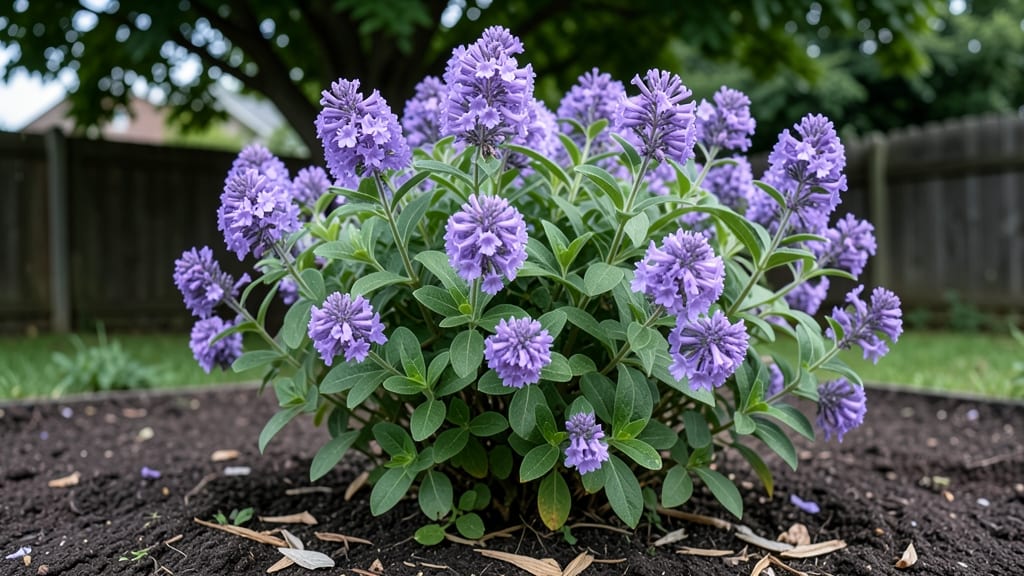
Heliotrope purple flowers bring a dreamy, old-fashioned charm to any garden space—especially when grown in containers where their intoxicating scent and velvety blooms steal the show. 🌿 I remember the first time I spotted them at a local nursery, and I knew they’d be perfect for my balcony garden’s fragrant corner.
Their deep violet hue and honey-like fragrance make them ideal for creating a romantic, cottage-style atmosphere or adding drama to a modern patio setup.
Their compact size and love for containers mean you can easily mix them with trailing plants like sweet alyssum or dusty miller for a cascading effect, or pair them with lavender and rosemary for a fragrant Mediterranean vibe.
Heliotrope thrives in partial shade, making it a great choice for spots that get afternoon sun or are tucked under trees. The key to maximizing their ornamental value is keeping them well-watered and pinching back spent blooms—simple steps that reward you with nonstop color and scent all season.
Imagine stepping onto your deck to find a cloud of purple blooms swaying gently in the breeze, their fragrance lingering like a summer memory. These flowers aren’t just pretty—they’re conversation starters, perfect for weddings, garden parties, or even as a fragrant centerpiece on your dining table.
Their versatility means they fit seamlessly into any garden style, from whimsical cottage gardens to sleek urban containers.
Whether you’re dreaming of a fragrant retreat or looking to add a pop of purple to your space, heliotrope delivers effortlessly. Next, let’s explore the best ways to style them—from container combos to cutting garden arrangements—that’ll make your outdoor space irresistible.
📚 In This Guide
- What you need
- Instructions
- Tips and common mistakes
- Wrapping up and next steps
What you need
- ● Heliotrope seeds or seedlings: 3-5 plants (choose Heliotropium arborescens for best results).
- ● Containers: 10-12 inch pots (or larger) with drainage holes—3-5 containers depending on quantity.
- ● Well-draining potting mix: 1 bag (look for a blend labeled for container gardening or herbs/flowers).
- ● Slow-release fertilizer: 1 packet (12-14-12 NPK ratio recommended).
- ● Watering can or hose with gentle spray nozzle.
- ● Pruning shears or scissors: For trimming and shaping.
- ● Grow lights or LED bulb: 1 unit (if growing indoors with limited sunlight).
- ● Mulch (e.g., pine bark or coconut coir): To retain moisture and suppress weeds.
- ● Plant food (liquid or granular): For extra nutrients during blooming season.
- ● Support stakes or trellis: If your heliotrope grows tall and leggy.
- ● Glove and knee pad: For comfort during planting and maintenance.
- ● A sunny spot: 6+ hours of direct sunlight daily (or a south-facing window indoors).
- ● Warmth: Heliotrope thrives in USDA Zones 9-11; use containers to extend growing season in cooler climates.
- ● Patience: Germination takes 2-4 weeks if starting from seeds.
How to cultivate heliotrope's purple fragrance in containers
This fragrant beauty thrives with minimal fuss—just follow these steps for lush, blooming plants.
🪴 Step 1: Select and Prepare the Right Container
Choose a container with drainage holes at least 12 inches deep and 14 inches wide—heliotrope needs room for its sprawling roots. I prefer terracotta because it breathes and prevents root rot, but any container with proper drainage works. Fill the bottom with 2-3 inches of perlite to ensure excess water drains away from the roots.
Heliotrope hates soggy feet, so this layer is critical. If your container lacks drainage holes, drill them yourself—just don’t go larger than ¼ inch or the soil will wash out. The container’s depth matters too; shallow pots stunt root growth, and you’ll end up with leggy, weak plants.
🌱 Step 2: Plant in Well-Draining Soil Mix
Fill the container with a mix of 50% premium potting soil and 50% coarse sand or perlite. Heliotrope roots need aeration to prevent rot, and this blend keeps moisture balanced without suffocating them. Gently loosen the root ball of your young plant before placing it in the center of the container.
Press the soil lightly around the roots—just enough to eliminate air pockets but not so much that you compact it. The soil surface should sit about 1 inch below the rim of the container. This prevents spills during watering and gives you room to add mulch later. Water thoroughly after planting, letting the excess drain completely.
☀️ Step 3: Position for Sunlight and Airflow
Heliotrope craves full sun to partial shade—at least 6 hours of direct sunlight daily. Place your container where it gets morning sun and afternoon shade if your climate is hot, or full sun if you’re in a cooler zone. A south-facing window or balcony works well, but watch for leaves that turn pale or yellow—this is your signal the light is too intense.
Airflow is just as important as sunlight. Heliotrope’s fragrant blooms attract pollinators, but stagnant air invites fungal diseases like powdery mildew. Space containers 12-18 inches apart if grouping them, or place a small fan nearby on warm days. You’ll notice healthier foliage and fewer dropped buds when airflow is good.
💧 Step 4: Water and Feed for Continuous Blooms
Water heliotrope when the top 1-2 inches of soil feel dry—about once a week in warm weather, less in cooler months. Overwatering is the fastest way to kill these plants, so always check before adding more moisture. I like to stick my finger in the soil; if it’s damp past my first knuckle, I wait another day.
Feed your heliotrope with a balanced liquid fertilizer (10-10-10) every 4-6 weeks during the growing season. Dilute it to half-strength to avoid burning the roots. You’ll see the difference in vibrant purple blooms and lush green leaves—this is your reward for consistent care. Stop fertilizing in late summer to encourage a clean dormancy period.
✂️ Step 5: Prune and Maintain for Year-Round Growth
Deadhead spent blooms regularly to encourage more flowers. Simply pinch off the faded flowers with your fingers or snip them with clean scissors. This prevents the plant from wasting energy on seed production and redirects it to new growth. I do this every 2-3 days during peak bloom—it’s a small effort for big results.
In late fall, cut back the plant by one-third to remove any leggy or damaged stems. This rejuvenates the plant and promotes fresh growth in spring. Overwintering heliotrope indoors? Move it to a bright spot and reduce watering—just keep the soil slightly moist. You’ll be amazed how quickly it bounces back in warmer weather.
Tips & tricks for perfect heliotrope purple flowers
These game-changing insights will help you transform your container garden into a fragrant purple paradise with minimal effort.
Container Selection Wisdom: While terracotta is ideal for its breathability, you can also use fiberglass or plastic containers as long as they have proper drainage. The key is avoiding glazed ceramic—it traps moisture and leads to root rot. If repurposing a decorative container without holes, add a layer of landscape fabric over the drainage layer to prevent soil from clogging the holes you drill. I've seen heliotrope thrive in vintage tin cans with drainage holes drilled in the bottom!
Soil Mix Secret: The 50/50 blend of potting soil and coarse sand is non-negotiable for heliotrope's health, but don't be afraid to customize further. For even better drainage, add 10% perlite or vermiculite to the mix. This creates tiny air pockets that prevent compaction and keep roots happy. Pro tip: Sterilize your potting soil by baking it in the oven at 200°F for 30 minutes to kill any lurking pathogens before mixing.
Sunlight Strategy: Those crucial 6 hours of sunlight don't need to be consecutive—just spread throughout the day. In hot climates, morning sun with afternoon shade prevents leaf scorch while still satisfying the plant's light requirements. I've had great success placing containers on east-facing balconies where they get gentle morning rays without the harsh afternoon sun. Watch for leaves curling up—this is nature's way of saying "I need more shade!"
Deadheading Discipline: The 2-3 day deadheading schedule might seem frequent, but it's worth every pinch! This isn't just about looks—it's about redirecting the plant's energy from seed production back to flower production. I keep a small pair of clean scissors by my favorite reading spot and do this while enjoying my morning coffee. You'll be amazed how quickly new blooms appear when you remove the spent ones consistently.
Pro Tips for Heliotrope Purple Flowers
- These game-changing insights will help you transform your container garden into a fragrant purple paradise with minimal effort.
- Container Selection Wisdom: While terracotta is ideal for its breathability, you can also use fiberglass or plastic containers as long as they have proper drainage.
- Soil Mix Secret: The 50/50 blend of potting soil and coarse sand is non-negotiable for heliotrope's health, but don't be afraid to customize further.
Frequently asked questions
How do I keep heliotrope flowers blooming all season?
Prune spent blooms regularly to encourage new growth. Heliotrope loves warmth, so deadhead flowers in the morning to prevent pests. Fertilize lightly every 4-6 weeks with a balanced, water-soluble fertilizer. Pro tip: Pinch back leggy stems in spring to promote bushier, more productive plants!
When is the best time to plant heliotrope in containers?
Plant after the last frost when soil temps reach at least 55°F (13°C). For container growing, use well-draining soil and place pots in full sun to partial shade. Heliotrope is tender—bring potted plants indoors before 32°F (0°C) to avoid frost damage. Pro tip: Start seeds indoors 8-10 weeks before transplanting!
Why aren’t my heliotrope flowers fragrant?
Fragrance fades if plants are stressed—check for overwatering, poor drainage, or nutrient deficiencies. Ensure pots have drainage holes and use a light, airy potting mix. Lack of sunlight can also dull scent. Pro tip: Place containers where blooms get 6+ hours of sun daily for peak aroma!
What are good alternatives to heliotrope for purple flowers?
Try cleome (spider flowers), salvia (sage), or petunia for vibrant purple blooms. Nicotiana (flowering tobacco) offers night-scented fragrance too. For containers, petunias or geraniums are low-maintenance picks. Pro tip: Mix textures for a lush, layered look!
How do I prevent pests like aphids or spider mites?
Inspect leaves regularly for sticky residue or webbing. Spray plants with neem oil or insecticidal soap for mild infestations. Encourage beneficial insects like ladybugs by planting marigolds nearby. Pro tip: Avoid overwatering—damp foliage attracts pests!
Wrapping up and next steps
Heliotrope purple flowers bring a touch of enchanting fragrance and vibrant color to any space—whether you’re growing them in cozy containers or brightening up your garden. With the right care, these low-maintenance beauties reward you with months of blooms and a heavenly scent that’ll have neighbors asking for tips! 🌸
Ready to dive in? Start by gathering your supplies, then follow the simple steps to cultivate a thriving heliotrope plant. Your fragrant purple paradise is just a few clicks (or clicks of your shears) away!