
Flowers
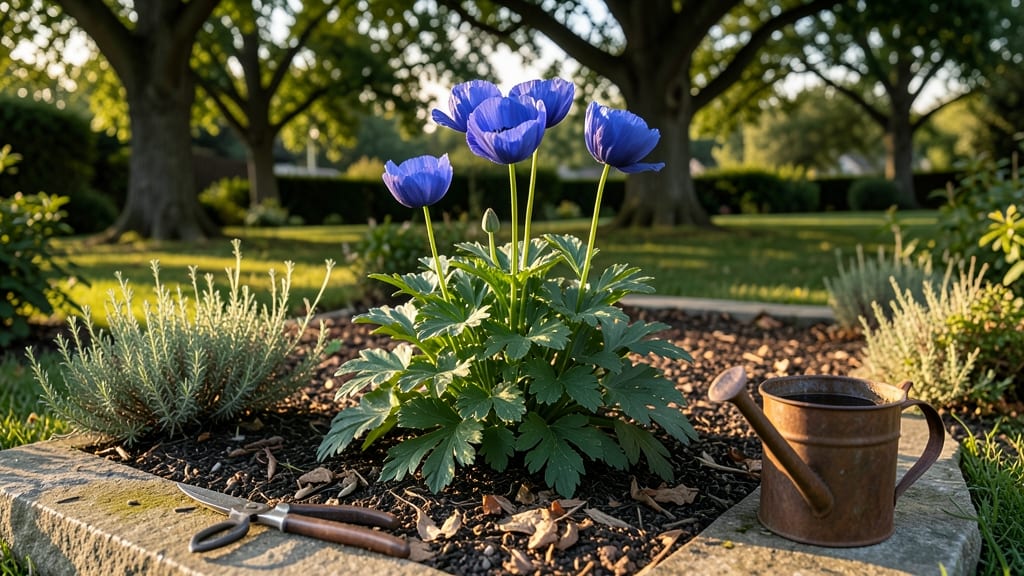
The Himalayan poppy flower thrives where others falter—its delicate blue blooms defy cold snaps and poor soil, making it the unsung hero of cool-climate gardens. 🌿 I’ve grown them in my Zone 5 garden for years, and they’ve never failed to reward me with weeks of vibrant color when most annuals would freeze.
The key? Mimicking their high-altitude homeland with the right balance of moisture, shade, and well-draining soil.
This isn’t a fussy flower—it just needs partial shade (morning sun, afternoon shelter) and moist but not soggy soil. Plant seeds in early spring or fall, just below the surface, and keep them consistently damp until germination.
Once established, they’re nearly self-sufficient, tolerating drought better than many perennials. The trade-off? Patience—it takes 2-3 years for mature plants to burst into bloom, but the wait is worth it.
What you’ll end up with is a dramatic display of cup-shaped blooms that nod in the breeze, their petals a striking cobalt or deep violet. They attract pollinators like bees and butterflies, and their fuzzy seed heads add winter interest.
Even in Zone 4, they’ll often bounce back from frost, proving they’re built tough. The only real challenge? Keeping squirrels from digging up seeds—so plant them deep enough or use wire mesh as a barrier.
Perfect for woodland gardens, rockeries, or containers in cooler zones. Once you’ve mastered their care, you’ll find they’re one of the most reliable perennials for long-lasting color with almost no effort. Let’s get those seeds in the ground!
📚 In This Guide
- What you need
- Instructions
- Tips and common mistakes
- Wrapping up and next steps
What you need
- ● Himalayan poppy seeds – Choose cold-hardy varieties like Meconopsis betonicifolia or Meconopsis grandis (available from specialty seed suppliers). Tip: Start with 10-20 seeds to test your growing conditions.
- ● Well-draining potting mix – A blend of 50% peat moss or coco coir, 30% perlite, and 20% compost works best. Pro tip: Avoid heavy clay soil—poppies hate soggy roots! 💡
- ● Seed trays or small pots – 2-3 inch (5-7 cm) deep with drainage holes. 6-8 trays (or equivalent) for 20 seeds.
- ● Grow lights or sunny windowsill – Poppies need 12-14 hours of light daily for germination.
- ● Misting spray bottle – Keeps seeds moist without drowning them.
- ● Fine-tip tweezers – For gently placing tiny seeds.
- ● Small hand trowel – For transplanting seedlings.
- ○ Thermometer (optional but helpful) – Poppies germinate best at 60-65°F (15-18°C).
- ○ Cold frame or greenhouse (optional) – Extends the growing season in Zone 3-5 climates.
- ● Patience! – Germination can take 2-4 weeks (or longer in cold soil).
- ● Cool climate preference – Poppies thrive in USDA Zones 3-8 but struggle in hot summers.
- ● Partial shade tolerance – While they love sun, afternoon shade helps in hotter regions.
Step-by-step instructions for cultivating Himalayan poppy flowers
Here’s my foolproof method for growing these hardy alpine beauties—no fuss, just stunning results.
🌱 Step 1: Select the Perfect Site and Prepare the Soil
Himalayan poppies thrive in well-draining soil with full sun exposure—at least 6-8 hours daily. I always choose a spot with slightly rocky or gravelly soil to mimic their alpine habitat. If your soil is heavy clay, amend it with coarse sand or grit to improve drainage. These plants despise soggy roots, so raise beds or use containers if drainage is poor.
Test your soil’s pH—Himalayan poppies prefer a neutral to slightly alkaline range (6.5-7.5). A simple soil test kit from your local garden center will confirm. If needed, add crushed limestone to raise pH gradually. I like to work in a handful of compost for nutrients, but avoid over-fertilizing—these plants prefer lean conditions.
🌿 Step 2: Plant Seeds at the Right Time and Depth
Sow seeds outdoors in early spring (as soon as soil is workable) or late summer for fall blooms. I’ve found that stratification—a cold period—helps germination, so don’t rush planting in warm soil. Press seeds just below the surface (no deeper than ¼ inch), as they need light to germinate. Space them 6-8 inches apart—they won’t tolerate crowding.
Keep the soil consistently moist but not soggy until germination, which takes 2-4 weeks. A light misting with a spray bottle works best—avoid heavy watering, which can dislodge seeds. Once seedlings appear, thin to the strongest 2-3 plants per foot, giving them room to mature without competition.
☀️ Step 3: Provide Minimal Care for Maximum Blooms
Himalayan poppies are drought-tolerant once established, but young plants need regular watering (about 1 inch per week) to encourage root growth. I water deeply in the morning to reduce fungal risks. Once blooming begins, cut back to watering every 10-14 days—these plants store moisture well in their thick roots.
Deadhead spent blooms to encourage second flushes of flowers, but don’t overdo it—letting a few seed pods form ensures next year’s crop. I also avoid fertilizing; too much nitrogen produces lush foliage at the expense of blooms. If growth seems sluggish, a light application of 5-10-10 fertilizer in early spring can help, but sparingly.
✂️ Step 4: Protect and Prune for Longevity
These poppies are cold-hardy (USDA zones 3-7), but they benefit from a 3-inch layer of mulch in winter to insulate roots. I use shredded bark or straw, avoiding heavy mulch that can suffocate plants. In early spring, remove old foliage to make room for new growth—this prevents disease and improves air circulation.
If plants spread too aggressively, divide clumps in early fall or spring. Dig up sections with 3-4 stems, replant immediately, and water well. This rejuvenates older plants and creates new blooming patches. I’ve found that dividing every 3-4 years keeps Himalayan poppies looking their best.
Tips & tricks for perfect Himalayan poppy flower cultivation
These alpine beauties reward patience with stunning blooms—here's how to set them up for success without the guesswork.
Site Selection Wisdom: While the instructions emphasize full sun, I've found that morning sun with afternoon shade in hot climates actually extends bloom time. The 6-8 hours of direct sunlight should be the most intense part of the day, not necessarily all afternoon. For containers, choose shallow but wide pots—their fibrous roots spread horizontally rather than deep.
Stratification Shortcut: If you're eager to plant but don't have winter to provide natural stratification, mimic it by placing seeds in a plastic bag with slightly damp peat moss, then refrigerate for 4-6 weeks. This cold treatment mimics alpine conditions and can jumpstart germination by 2-3 weeks. Just don't let the seeds freeze solid—keep them at about 35°F.
Germination Reality Check: The 2-4 week germination window can feel like forever, but don't be tempted to water heavily if you don't see sprouts. Overwatering at this stage is the #1 reason Himalayan poppy seeds fail—keep that soil consistently moist but never soggy. I use a spray bottle with a fine mist setting to avoid disturbing seeds while maintaining moisture.
Watering Transition Strategy: When you reduce watering from weekly to every 10-14 days after establishment, do it gradually. Cut back by a day or two each week over two weeks rather than going straight to the 14-day interval. This helps the plants' deep taproots adjust to storing moisture without shocking the system. The thick roots are what make these poppies drought-tolerant once mature.
Pro Tips for Himalayan Poppy Flower
- These alpine beauties reward patience with stunning blooms—here's how to set them up for success without the guesswork.
- Site Selection Wisdom: While the instructions emphasize full sun, I've found that morning sun with afternoon shade in hot climates actually extends bloom time.
- Stratification Shortcut: If you're eager to plant but don't have winter to provide natural stratification, mimic it by placing seeds in a plastic bag with slightly damp peat moss, then refrigerate for 4-6 weeks.
Frequently asked questions
Got questions about growing Himalayan poppy flowers? You’re not alone!
Here are some of the most common queries—plus quick, no-nonsense answers to help you cultivate these stunning cold-hardy blooms with ease.
How cold can Himalayan poppies tolerate?
These beauties thrive in USDA Zones 3-8 and can handle light frosts after establishment. Young seedlings may need protection (like row covers) in early spring or late fall, but mature plants often survive down to 0°F (-18°C) once established. Pro tip: Plant in well-draining soil to prevent root rot in icy conditions!
When is the best time to plant Himalayan poppy seeds?
Direct-sow seeds outdoors in early spring (as soon as soil is workable, ~40°F/4°C) or late summer/early fall for a spring bloom. Avoid transplanting seedlings—they hate root disturbance! If sowing fall, do it 6-8 weeks before first frost for germination. Patience pays off: These seeds germinate slowly (2-4 weeks).
Why aren’t my Himalayan poppies blooming?
Common culprits include:
- Overcrowding: Thin seedlings to 12–18" apart for airflow and sunlight.
- Too much nitrogen: Fertilize lightly (or not at all) to encourage flowers over foliage.
- Improper timing: First-year plants often focus on roots—blooms may appear year 2 or 3.
- Poor drainage: soggy soil = rot. Amend clay soil with sand or compost.
Are there any low-maintenance alternatives to Himalayan poppies?
If you love their perennial, drought-tolerant charm, try these cold-hardy, fuss-free picks:
- Bleeding Heart (Dicentra spectabilis): Shade-loving, deer-resistant, and self-seeding.
- Russian Sage (Perovskia atriplicifolia): Drought-proof, fragrant, and thrives in poor soil.
- Lungwort (Pulmonaria spp.): Early spring blooms + spotted foliage; great for woodland gardens.
- Ice Plant (Delosperma spp.): Succulent-like, heat/drought-tolerant, and blooms all summer.
Do Himalayan poppies attract pests or deer?
Generally deer-resistant, but occasional issues may arise:
- Slugs/snails: Young seedlings are vulnerable. Use beer traps or diatomaceous earth.
- Rabbits: Rare, but netting can help if they’re a problem in your area.
- No major diseases, but watch for powdery mildew in humid climates—improve airflow!
Wrapping up and next steps
The Himalayan poppy flower is a stunning, low-maintenance beauty that thrives in cold climates—perfect for gardeners who love resilience and striking blooms! 🌸 With just a few simple steps and the right conditions, you can enjoy its delicate charm year after year.
Whether you're a seasoned gardener or a curious beginner, this hardy flower rewards patience and care with breathtaking results.
Ready to bring a touch of the Himalayas to your garden? Start by gathering your supplies, then plant with confidence—your future poppy patch awaits! 🌿