
Aphids
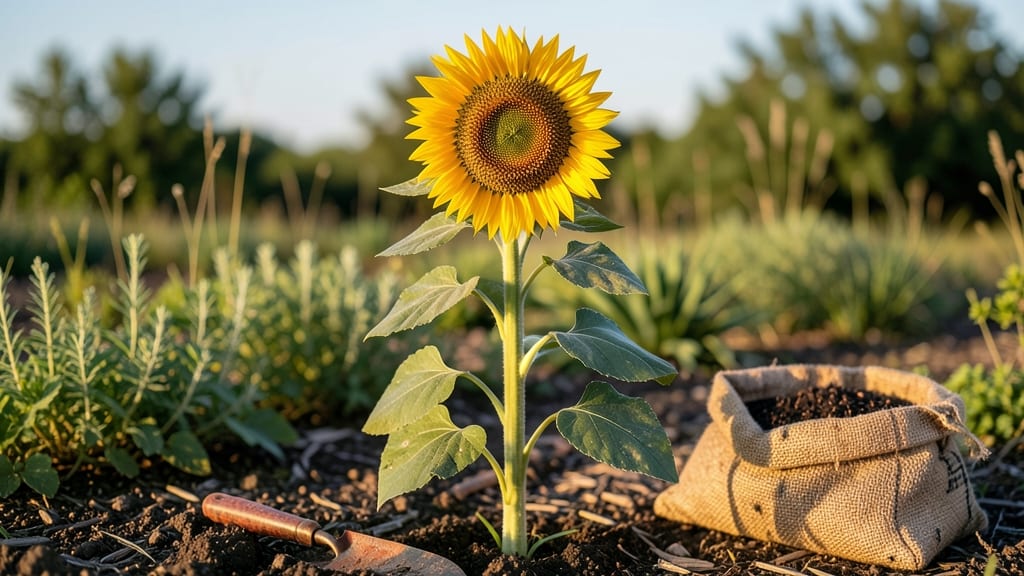
Caring for sunflowers means turning a handful of seeds into towering giants that light up your summer. 🌻 I’ve grown them from floppy seedlings to six-foot stalks with blooms wide enough to hide behind—and the secret isn’t complicated.
These sun-loving plants thrive on neglect, but a few key moves (soil, spacing, and watering) turn good into spectacular.
The real magic happens in the first 30 days after planting. Sunflowers need full sun (at least 6 hours daily), soil that drains well, and 1-2 inches of water per week—more when they’re flowering.
Most beginners overwater, so let the top inch of soil dry out between drinks. A balanced fertilizer at planting and midseason keeps stems sturdy and blooms bold.
By 90 days, you’ll have sunflowers so tall they block the neighbor’s view (and so heavy they might need staking). The blooms attract bees, the seeds feed birds, and the stems make dramatic cut flowers that last weeks in a vase.
Even if pests like aphids show up, a strong spray of water usually sends them packing.
Here’s where it gets fun: dwarf varieties work for containers, while giant types need room to sprawl. Whether you’re growing for beauty, snacks, or both, these plants deliver foolproof results—just don’t forget to save some seeds for next year. Let’s get those stalks standing proud!
📚 In This Guide
- What you need
- Instructions
- Tips and common mistakes
- Wrapping up and next steps
What you need
- ● Sunflower seeds: Choose a variety like Mammoth or Autumn Beauty for big blooms. Buy 10-20 seeds (or more for a full garden bed).
- ● Well-draining potting mix or garden soil: 5+ gallons (or enough to fill your planting area). For containers, use a mix with 30-50% perlite or compost.
- ● Fertilizer: A balanced 10-10-10 NPK or organic compost (1-2 cups per plant). Avoid high-nitrogen fertilizers—they promote leaves over flowers!
- ● Watering can or hose: With a gentle spray nozzle to avoid damaging stems.
- ○ Stakes or cages (optional but helpful): 3-5 ft tall for tall varieties (e.g., Mammoth) to prevent toppling.
- ● Garden trowel or transplanter: For digging holes 1-2 inches deep and spacing seeds 6-12 inches apart (depending on variety).
- ● Pruning shears: To trim dead blooms or encourage side shoots.
- ○ Gloves: Optional but handy for handling thorny stems or soil.
- ● Mulch (straw or shredded leaves): 1-2 inches thick to retain moisture and suppress weeds.
- ● Epsom salt: A tablespoon dissolved in water every 2-3 weeks for magnesium boosts (especially in clay soil).
- ● Neem oil or insecticidal soap: For aphid control (your keyword category!). Spray as needed.
- ● Sunflower-specific companion plants: Marigolds or basil to deter pests.
- ● Garden journal: To track growth, watering schedules, and bloom times!
Step-by-step guide to growing sunflowers from seed to bloom
Here's how I grow sunflowers that reach towering heights and vibrant blooms every season.
🌱 Step 1: Choose the Right Variety and Plant at the Perfect Time
Sunflowers thrive in full sun and warm soil. Start seeds indoors 2-3 weeks before your last frost date if you live in a cooler climate, or sow directly outdoors once soil reaches 60°F. I always opt for dwarf varieties like 'Teddy Bear' for containers or giant types like 'Mammoth' for dramatic backyard displays.
Direct sowing is easiest—scatter seeds ½ inch deep in well-drained soil, spacing them 6-12 inches apart for single-stem varieties or 18-24 inches apart for giant types. Thin seedlings to the strongest plant per spot once they reach 4-6 inches tall. Here's the thing—sunflowers hate being moved, so avoid transplanting unless absolutely necessary.
☀️ Step 2: Provide Consistent Sunlight and Support
Sunflowers need 6-8 hours of direct sunlight daily—no compromise. If your garden gets less, choose shorter varieties like 'Sunspot' or grow them in containers near a sunny window or under grow lights. I've seen leggy stems when light is insufficient, so monitor their growth closely.
Taller varieties need staking. Install 3-foot stakes or use tomato cages at planting time, gently tying stems to the support as they grow. The goal is to prevent snapping in wind or rain. You'll notice stems thicken as they mature—this natural strength helps them support their own weight, but a little extra help ensures those massive blooms don't topple.
💧 Step 3: Water Deeply and Maintain Moisture
Water sunflowers deeply 1-2 times per week, aiming for 1-1.5 inches of water each time. The key is consistency—let the top 2 inches of soil dry out between waterings to encourage deep root growth. Overwatering leads to weak stems and disease, while underwatering causes buds to drop before opening.
Mulch around plants with 2-3 inches of straw or shredded leaves to retain moisture and suppress weeds. I always apply mulch after the soil warms in spring, keeping it 4 inches away from the stem to prevent rot. Watch for wilting leaves in afternoon heat—that's your cue to water immediately, but don't drown the roots.
✂️ Step 4: Fertilize and Prune for Stronger Growth
Sunflowers aren't heavy feeders, but a balanced 10-10-10 fertilizer applied at planting and again when plants reach 12 inches tall promotes vigorous growth. I mix 1 tablespoon of fertilizer into the soil at each feeding, keeping it away from stems to avoid burns. Organic options like composted manure work too—just follow package instructions.
Remove any side shoots that form below the main flower head to direct energy upward. Here's where it gets fun—watch the flower buds swell as they mature. Once the back of the bloom turns yellow, the petals will unfurl within 2-3 days. Cut spent blooms at the stem to encourage a second round of flowers on some varieties.
🌿 Step 5: Harvest Seeds and Enjoy the Blooms
Leave some blooms on the plant to dry completely—they'll provide seeds for next year. Once the back turns brown and the seeds rattle inside, cut the head and hang it upside down in a dry, dark place. Remove seeds when fully dry and store in a cool, dark container for up to 2 years. I always save seeds from my healthiest plants for the best germination.
Cut fresh blooms in the morning when moisture levels are highest, and place them in lukewarm water immediately. Change the water every 2 days and trim stems at an angle to extend vase life. With proper care, sunflowers can last 7-10 days in arrangements—proof that bold stems and giant blooms are absolutely worth the effort.
Tips & tricks for growing towering sunflowers
Sunflowers might seem simple, but these small details make all the difference between average plants and showstopping giants.
Soil Temperature Matters: That 60°F soil temperature isn't just a suggestion—it's when roots actually start growing. I've planted seeds in cooler soil and watched them rot in the ground. Use a soil thermometer to confirm before planting, especially in spring. If your soil runs cold, consider black plastic mulch a few weeks before planting to warm it up naturally.
Thinning Technique: When thinning seedlings to the strongest plant per spot at 4-6 inches tall, don't just yank them out. Use clean scissors to snip at soil level—this prevents disturbing the roots of your keepers. I've learned the hard way that tugging can uproot your future giants before they even get started.
Staking Strategy: Install those 3-foot stakes at planting time, but don't tie them too tightly. As stems thicken, you'll need to loosen the ties every 2-3 weeks to accommodate growth. I use soft fabric strips instead of wire—they're gentler on the stems and won't leave permanent marks as the plant matures.
Watering Watch: The 1-1.5 inches of water per week guideline works for average conditions, but adjust for your climate. In my hot, dry summers, I water every other day during peak growth, while my neighbors in wetter areas might need less. Always check that top 2 inches of soil—it should be dry but not crumbly when you poke it.
Pro Tips for Care For Sunflowers
- Sunflowers might seem simple, but these small details make all the difference between average plants and showstopping giants.
- Soil Temperature Matters: That 60°F soil temperature isn't just a suggestion—it's when roots actually start growing.
- Thinning Technique: When thinning seedlings to the strongest plant per spot at 4-6 inches tall, don't just yank them out.
Frequently asked questions
Got questions about growing sunflowers?
You’re not alone! Here are answers to the most common queries—from timing to troubleshooting—so you can grow bold, happy sunflowers with ease.
When is the best time to plant sunflowers?
Sunflowers thrive in warm soil, so plant them after the last frost in spring when temperatures stay above 50°F (10°C). For a fall harvest, sow seeds 60–90 days before the first frost. In mild climates, you can even plant in late summer for winter blooms!
Why are my sunflower leaves turning yellow or spotted?
Yellowing leaves often signal overwatering or fungal diseases (like powdery mildew). Spots could mean aphids or bacterial infections. Improve airflow, water at the base (not overhead), and remove affected foliage. For pests, spray with soapy water or neem oil.
Can sunflowers grow in containers? What size pot do I need?
Sunflowers adapt well to containers if given enough space. Use a pot at least 12–18 inches deep and wide for dwarf varieties (3–4 feet tall) or a 5-gallon bucket or larger for giant types (6+ feet). Ensure drainage holes and place in full sun.
How long do sunflowers take to grow from seed to bloom?
Most sunflowers bloom in 80–100 days from seed, but dwarf varieties may flower in as little as 50 days. Giant sunflowers (like ‘Mammoth’) can take up to 120 days. Check seed packets for specific varieties—patience pays off with those towering blooms!
What should I do if my sunflower stems are weak or falling over?
Weak stems often result from overcrowding or poor support. Thin seedlings to 12–18 inches apart and stake tall varieties with bamboo stakes or tomato cages. For extra stability, plant sunflowers near a fence or trellis. Avoid heavy heads by harvesting when blooms are fully open but seeds are still green.
Pro Tip:
Sunflowers are heavy feeders! Boost growth with a balanced fertilizer (like 10-10-10) at planting and again when stems reach 12 inches tall. Bonus: Sunflowers attract pollinators—plant them near veggies like tomatoes or peppers for a natural boost!
Wrapping up and next steps
Caring for sunflowers is a rewarding journey that yields stunning blooms and a sense of accomplishment—just like watching your hard work pay off in 90 days! 🌻 With the right soil, sunlight, and a little TLC, you’ll grow sunflowers that stand tall and proud.
Now that you’re armed with expert tips, grab those seeds and get planting—your garden will thank you!
Ready to take it further? Experiment with varieties or share your sunflower success with fellow gardeners. Happy growing!