
Flowers
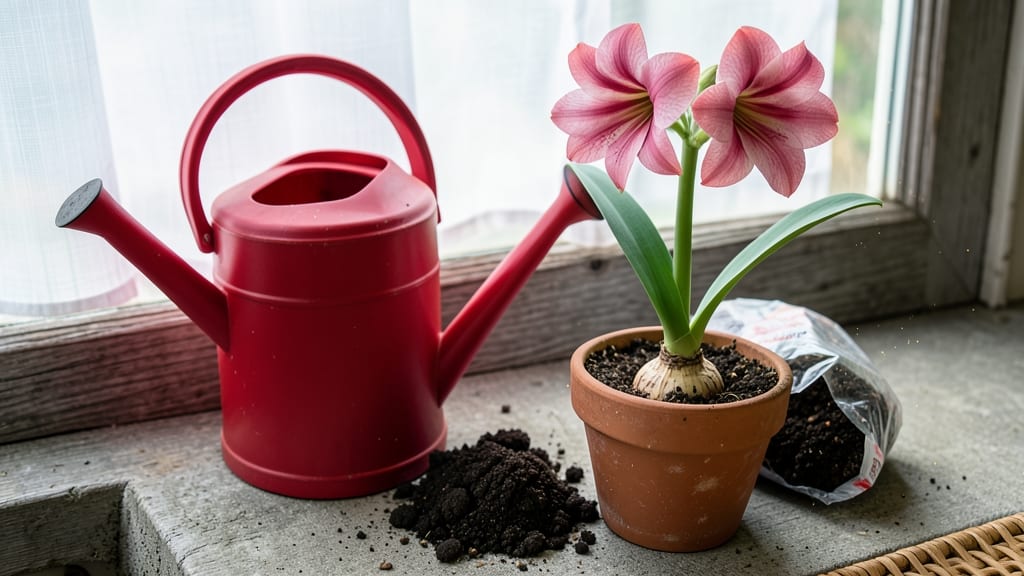
Forcing amaryllis to flower isn’t magic—it’s a chill, light, and heat trick that transforms a dormant bulb into a dramatic indoor showstopper. 🌸 I’ve forced dozens over the years, and the secret lies in mimicking the bulb’s natural cycle: six weeks of cool darkness followed by bright warmth.
Most people skip the chill step, which is why their amaryllis sulks instead of blooms.
The process starts with a healthy bulb, a sunny window, and patience. You’ll need a pot with drainage, well-draining potting mix, and a way to control temperatures—no fancy equipment, just attention to timing.
After the chill period, your bulb will send up a sturdy stalk in about two weeks, and with proper light, it’ll burst into 6-12 vibrant blooms in just a few more.
What you end up with is a 6-foot-tall centerpiece that lasts 7-10 days, plus a bulb that can repeat the performance next year with minimal effort. The key is consistency: don’t rush the chill, don’t overwater, and keep it out of drafts.
Once the blooms fade, here’s how to nurse the bulb back to strength for another show.
This method works year-round, whether you’re forcing bulbs for the holidays or just because you love drama. The only real mistake is skipping steps—so let’s get those bulbs blooming reliably, every time.
📚 In This Guide
- What you need
- Instructions
- Tips and common mistakes
- Wrapping up and next steps
What you need
- ● 1 mature amaryllis bulb (preferably 6+ inches in diameter, with healthy roots)
- ● Well-draining potting mix (cactus/succulent blend or 1 part perlite/pumice + 2 parts peat moss)
- ● 1 pot with drainage holes (6–8 inches wide, slightly larger than the bulb)
- ● Distilled or rainwater (avoid tap water with high chlorine/fluoride)
- ● Refrigerator or cool, dark space (40–50°F / 4–10°C for 8–10 weeks)
- ● Bright, indirect light source (south-facing window or grow lights, 12+ hours/day)
- ● Spray bottle (for misting leaves post-chilling)
- ● Grow lights (LED or fluorescent) (if natural light is insufficient)
- ● Humidity tray or pebble tray (to maintain 40–50% humidity)
- ● Slow-release fertilizer (balanced 10-10-10 or bulb-specific formula)
- ● Decorative pot or cachepot (for styling once blooms appear!)
- ● Thermometer/hygrometer (to monitor temps/humidity like a scientist)
Step-by-step instructions for forcing amaryllis to flower
Here's my foolproof method for coaxing those dramatic blooms indoors.
🌱 Step 1: Chill the Bulb to Trigger Blooming
Start by placing your amaryllis bulb in a paper bag or breathable container with 2-3 inches of moist sphagnum moss or perlite. Store it in a cool, dark spot—50-60°F—for 8-10 weeks. This mimics winter dormancy and signals the bulb to produce a flower stalk. I keep mine in an unheated garage or basement, tucked away from drafts.
Check the moss weekly—it should stay lightly damp, not soggy. If it dries out, mist it gently. The bulb won’t show any signs of growth yet, but this is the most critical step. Skipping the chill period means no blooms, no matter how much light or heat you provide later.
☀️ Step 2: Move to Bright Light and Warmth
After the 8-10 week chill, remove the bulb and plant it in a 6-inch pot filled with well-draining potting mix. Use the 4 bulbs you’ve prepped (assuming standard forcing quantities). Water lightly until the soil is evenly moist—not drenched, just damp to the touch.
Place the pot in a spot with bright, indirect light (east or west windows work best). Avoid direct midday sun, which can scorch the leaves. Within 2-3 weeks, you’ll see a thick, sturdy stalk emerge—this is your flower spike! If the stalk grows too slowly, supplement with a grow light 12 inches above the plant for 12-14 hours daily.
💧 Step 3: Water and Fertilize for Strong Growth
Once the flower stalk appears, water the bulb when the top inch of soil feels dry. Overwatering now causes rot, but underwatering stresses the plant. I use room-temperature water to avoid shocking the roots. Fertilize lightly with a balanced liquid fertilizer (10-10-10) diluted to ½ strength every 2 weeks during active growth.
Watch for yellowing leaves—this usually means overwatering or poor drainage. If the stalk leans toward the light, rotate the pot a quarter turn daily to keep it upright. The blooms will open in 6-8 weeks after the stalk emerges, so patience pays off. Real talk: If your stalk grows but no buds form, it might need more light or a longer chill period next time.
⏰ Step 4: Enjoy and Plan for Next Year
Once the blooms fade, don’t cut the stalk—let the foliage yellow naturally. This replenishes the bulb for next year’s flowers. Water and fertilize the plant until the leaves turn brown, then reduce watering and move it to a cool, bright spot for 6-8 weeks before repeating the chill process.
Here’s the thing—amaryllis bulbs are tough. If you follow these steps, you’ll get stunning blooms year after year. The key is consistency: chill, light, warmth, and patience. And if your first attempt doesn’t bloom? Adjust the chill time or light exposure next go-round.
Tips & tricks for forcing amaryllis blooms
Took me years to perfect these tricks—here’s how to get those showstopping flowers every time.
Chill Period Precision: That 8-10 week chill at 50-60°F is non-negotiable, but here's the secret: consistency is key. I use a small refrigerator set to 55°F for exact control—no guesswork about garage temps. If your space fluctuates, add a thermometer and adjust. Too warm? Extend the chill by 1-2 weeks. Too cold? You might see premature sprouting, which weakens the stalk.
Light Transition Strategy: When moving your amaryllis from chill to light in Step 2, do it gradually. Start with just 2-3 hours of bright indirect light daily for the first week, then increase to full exposure. This prevents shock that can cause leaf burn or stunted growth. I place mine near an east-facing window first, then move to west-facing as the sun shifts.
Grow Light Hack: If you're supplementing with a grow light for 12-14 hours daily, position it just 8-10 inches above the plant—not the full 12 inches. The closer distance ensures stronger stalk development, but set a timer to avoid burning. I use a simple LED bulb on a plug-in timer for convenience. Watch for any yellowing leaves—this means the light's too intense or too close.
Fertilizer Timing: That ½-strength 10-10-10 fertilizer every 2 weeks starts AFTER the flower stalk appears. But here's what nobody tells you—stop fertilizing completely once buds form. The plant needs to focus all its energy on blooming, not leaf growth. I switch to plain water until the flowers open, then resume light feeding after blooms fade to nourish the bulb for next year.
Pro Tips for Force Amaryllis To Flower
- Took me years to perfect these tricks—here’s how to get those showstopping flowers every time.
- Chill Period Precision: That 8-10 week chill at 50-60°F is non-negotiable, but here's the secret: consistency is key.
- Light Transition Strategy: When moving your amaryllis from chill to light in Step 2, do it gradually.
Frequently asked questions
about forcing amaryllis to bloom—because even the best gardeners need a little extra help!Why isn’t my amaryllis flowering after chilling?
If your bulb didn’t bloom after the cold treatment, check these common culprits: insufficient light (place it near a sunny window), overwatering (soak-and-drain only), or premature warmth. Some bulbs need 10–12 weeks of chill—if you skipped this, repeat the process next season. Also, ensure the bulb is healthy (no mold or soft spots) before forcing.
How long does it take for amaryllis to flower after forcing?
With proper care, you’ll see buds in 4–6 weeks after removing the bulb from cold storage. Full blooms typically appear in 6–8 weeks, depending on light and warmth. Pro tip: Rotate the pot weekly so all sides get even sunlight—this prevents lopsided stems!
Can I force amaryllis indoors without a basement or fridge?
Use these DIY chill hacks:
- Garage or shed: Store bulbs in a cardboard box with a thermometer (keep temps between 40–50°F).
- Refrigerator: Place bulbs in a paper bag (not plastic!) on a shelf with veggies. Check weekly for rot.
- Cool windowsill: If temps drop below 50°F at night, this works too—just move them inside during the day.
What do I do if my amaryllis leaves die after flowering?
Don’t panic! This is normal—the plant redirects energy to the bulb. Here’s what to do next:
- Stop fertilizing until new growth appears (usually in 2–3 months).
- Water sparingly (let soil dry between waterings).
- Place in bright, indirect light to encourage regrowth.
Can I force the same amaryllis bulb to bloom multiple times?
Yes! With proper care, a single bulb can rebloom 2–3 times over 3–5 years. Key steps:
- After flowering, keep the plant alive (6+ hours of light/day) until leaves yellow.
- Cut back dead foliage but leave the bulb in soil—it stores energy for next year.
- Repeat the chill-and-warm cycle annually for best results.
Wrapping up and next steps
Forcing your amaryllis to bloom is all about patience, precision, and a little plant magic! 🌱 By mastering the chill, light, and heat trick, you’ll unlock those stunning, show-stopping flowers—no green thumb required.
Remember, consistency is key: 6 weeks of cool temps, bright indirect light, and a warm, sunny spot will do the trick.
Now that you’re armed with the know-how, give it a try! Start with your amaryllis bulbs today, and in just a few months, you’ll be rewarded with a breathtaking floral display. Happy forcing! 🌸✨