
Pests
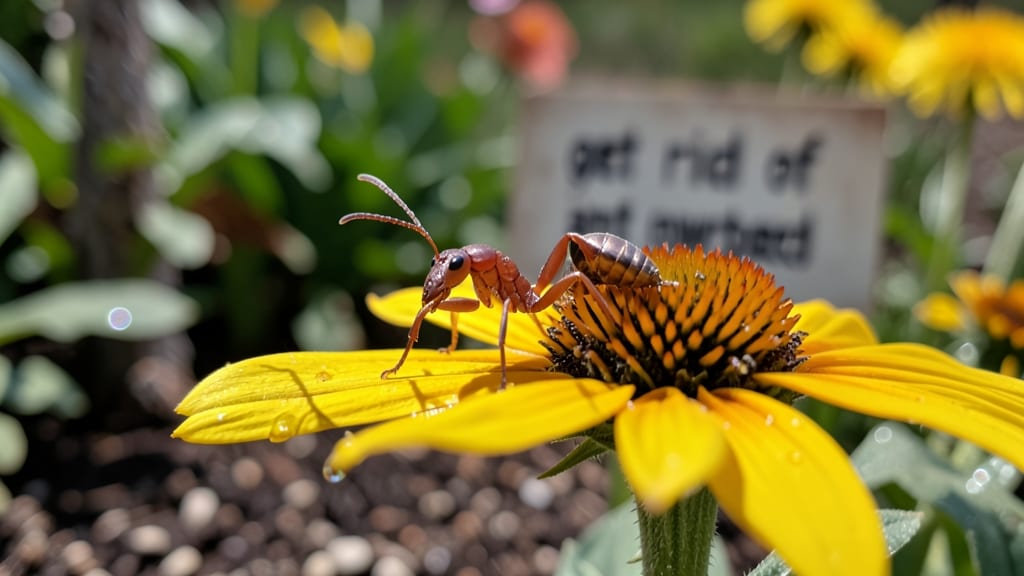
Getting rid of ants in your flower bed doesn’t require toxic sprays or hours of scrubbing—just the right natural barriers.
I’ve battled these tiny invaders for years, and the most effective method isn’t what you’d expect: it’s all about disrupting their trails and food sources without harming your plants or pollinators.
The secret lies in three simple, non-toxic ingredients—vinegar, diatomaceous earth, and citrus peels—that ants hate but won’t hurt your garden. You’ll need a spray bottle, a small shovel, and a few minutes to apply them strategically around your flower bed’s edges.
No more wasting money on chemical sprays that kill beneficial insects along with the pests.
Within 24 hours, you’ll see fewer ants scurrying through your blooms, and after a week, they’ll be gone for good. Your flowers will thrive without interruption, and you’ll avoid the heartbreak of watching them march straight to your picnic blanket later.
The best part? This method keeps working season after season.
Works for all flower beds, whether you’re dealing with a small border or a sprawling perennial garden. Here’s how to make it happen—no guesswork, just results.
📚 In This Guide
- What you need
- Instructions
- Tips and common mistakes
- Wrapping up and next steps
What you need
- ● Diatomaceous earth (food-grade): 1–2 pounds (look for 98% pure, fine powder)
- ● Cinnamon (ground or essential oil): ½ cup (for sprinkling) or 10–15 drops (for oil)
- ● Chalk or lime: 1–2 cups (for drawing barriers)
- ● Coffee grounds (used): 1–2 cups (from your kitchen)
- ● Vinegar (white): 1 gallon (for spraying or mixing)
- ● Spray bottle (16 oz): 1 (for liquid solutions)
- ○ Gloves (optional but recommended): 1 pair (to protect your hands)
- ● Garden hose or watering can: 1 (for rinsing or diluting solutions)
- ● Essential oils: Peppermint, tea tree, or lemon (5–10 drops for potent repellents)
- ● Crushed eggshells: ½ cup (natural barrier + calcium boost for plants)
- ● Orange or lemon peels: 2–3 (scatter dried peels for a citrusy deterrent)
- ● Baking soda: ½ cup (mix with powdered sugar for ant traps)
- ● Straw or mulch (coarse): 1–2 bags (to create a physical barrier)
Step-by-Step guide to creating natural ant barriers in flower beds
Here’s how to keep ants out for good—without chemicals.
Identify and Clear Ant Entry Points
Start by walking around your flower bed and looking for ant trails, tiny mounds of dirt, or cracks in the soil where ants might be entering. These trails often follow sidewalks, mulch edges, or garden borders. Use a small stick or your finger to gently probe the soil along these paths—you’ll feel tiny tunnels or disturbed soil where ants have been active.
Remove any visible ant mounds with a trowel or your hands, being careful not to spread the disturbance too widely. Ants will often relocate nearby if their nest is destroyed, so focus on eliminating the trails first. Once you’ve cleared the obvious signs, mark these areas with small flags or sticks so you can monitor them later.
Here’s the thing—ants are drawn to moisture and food sources, so if your flower bed has overwatered areas or fallen petals, those will attract them. Trim back any dead foliage and let the soil dry out slightly before applying barriers. You’ll know the moisture level is right when the top inch of soil feels damp but not soggy to the touch.
Apply a Natural Physical Barrier
Create a 2-3 inch wide strip of natural materials around the perimeter of your flower bed to block ant trails. Use diatomaceous earth (food-grade only) or crushed eggshells—both are non-toxic but deadly to ants. Sprinkle a thin layer along the edges of your flower bed, focusing on the marked trails from Step 1.
For a longer-lasting barrier, try sand or gravel. Spread a 1-inch layer of coarse sand or small pebbles along the edges of the bed. Ants avoid crossing these because they dislike the texture and it disrupts their pheromone trails. If you have access to cedar mulch, this is another great option—ants naturally avoid the scent.
Don’t skip this step. Ants are persistent, and a physical barrier is your first line of defense. Reapply any powdered materials (like diatomaceous earth) after rain, as moisture will reduce their effectiveness. Check the barrier weekly to ensure it hasn’t been disturbed by wind or water.
Use Plant-Based Repellents
Plant ant-repelling herbs around the edges of your flower bed to create a natural perimeter. Mint, lavender, basil, and lemongrass are all effective because their strong scents mask the pheromone trails ants use to navigate. Plant these in small pots or directly in the soil along the outer edges of your flower bed.
If you’re dealing with an existing infestation, crush a few fresh leaves of mint or lavender and place them directly on ant trails. The oils released will disrupt their movement. You can also make a simple spray by steeping citrus peels (orange or lemon) in hot water for 24 hours, then spraying the liquid along the edges of your flower bed. Ants hate the scent of citrus.
Real talk: Some plants, like tansy or pyrethrum (chrysanthemums), also repel ants naturally. If you’re redesigning your garden, consider adding these to your landscape plan. They’re not just pretty—they’re functional too.
Monitor and Maintain the Barrier
Check your flower bed weekly for new ant activity. Look for fresh trails, disturbed soil, or tiny mounds. If you spot new activity, reinforce the barrier by reapplying diatomaceous earth or crushed eggshells to those specific areas. Ants are adaptable, so consistency is key.
Keep your flower bed free of fallen petals, spent blooms, and debris, as these attract ants and other pests. Mulch should be 2-3 inches thick but not piled directly against plant stems—leave a small gap to prevent ants from using it as a bridge into your garden.
This is the moment that matters: If you see ants climbing up plant stems, they’re likely heading toward a food source. Trim back any overgrown foliage that might be touching the ground, and consider adding a copper tape barrier (available at garden centers) around the base of plants. Ants avoid copper because it gives them a mild electric shock.
Tips & tricks for natural ant barriers in flower beds
Ants can be relentless, but these simple strategies will help you create a fortress around your flower bed without harsh chemicals.
Trail Detection: In Step 1, when probing for ant tunnels, focus on the edges of your flower bed where ants commonly travel—like along mulch lines or sidewalks. I’ve found that using a small stick helps avoid disturbing the soil too much, which can actually attract more ants. Look for tiny holes or disturbed soil that feels different from the surrounding area. This step is your first line of defense, so don’t rush it.
Barrier Consistency: The 2-3 inch wide strip of materials in Step 2 needs to be continuous—no gaps! Ants are clever and will find their way through even small breaks. If you’re using diatomaceous earth, reapply it after rain or watering, as moisture reduces its effectiveness. For sand or gravel, keep it evenly spread and check weekly to ensure it hasn’t shifted due to wind or foot traffic.
Herb Placement: When planting ant-repelling herbs in Step 3, place them in small pots along the outer edges of your flower bed. This creates a natural barrier that’s easy to maintain and won’t compete with your existing plants. If you’re dealing with an infestation, crush fresh mint or lavender leaves directly on ant trails—the released oils will disrupt their movement almost instantly.
Monitoring Strategy: The weekly check in Step 4 is non-negotiable. Ants are persistent, and their behavior can change with the seasons. Keep an eye out for new trails or disturbed soil, especially after rain. If you spot ants climbing plant stems, trim back any foliage touching the ground immediately—this cuts off their food source and forces them to find another route.
Pro Tips for Get Rid Of Ants In Flower Bed
- Ants can be relentless, but these simple strategies will help you create a fortress around your flower bed without harsh chemicals.
- Trail Detection: In Step 1, when probing for ant tunnels, focus on the edges of your flower bed where ants commonly travel—like along mulch lines or sidewalks.
- Barrier Consistency: The 2-3 inch wide strip of materials in Step 2 needs to be continuous—no gaps!
Frequently asked questions
about keeping ants out of your flower bed—because no one wants tiny uninvited guests ruining their garden oasis!Why do ants keep coming back even after I’ve treated my flower bed?
Ants are persistent because they leave scent trails to guide their colony. If you only treat the surface, they’ll return via hidden paths (like under mulch or along roots). Solution: Use a perimeter barrier (like diatomaceous earth or vinegar) and target the nest—often deeper than you think!
How long does it take for natural remedies to work?
Timing varies! Diatomaceous earth may show results in 24–48 hours (once ants dehydrate), while vinegar or citrus sprays can take 3–7 days to disrupt trails. For boiling water or soapy water, effects are immediate—but reapply after rain. Patience is key!
Will these methods harm my plants or flowers?
Most natural remedies are plant-safe when used correctly:
- Vinegar (diluted) and citrus peels are gentle.
- Diatomaceous earth is non-toxic but avoid over-applying to delicate petals.
- Avoid: Commercial pesticides with harsh chemicals (like malathion).
How do I find and destroy an ant nest in my flower bed?
Look for tiny mounds (like sand piles), cracked soil, or trails leading to a hole. Dig carefully (ants nest 1–2 inches deep) and pour boiling water or a mix of 1 part vinegar to 1 part water directly into the nest. For stubborn colonies, repeat weekly until no activity remains.
Do I need to retreat after rain?
Yes!
Rain washes away barriers like diatomaceous earth and vinegar. Reapply:
- Diatomaceous earth after soil dries (24–48 hours post-rain).
- Vinegar/citrus sprays every 3–5 days or after heavy rain.
- Physical barriers (like coffee grounds) break down—refresh as needed.
Wrapping up and next steps
You’ve got this! 🌿 By using natural barriers like diatomaceous earth, vinegar, or citrus peels—and staying consistent with your efforts—you can reclaim your flower bed from ants without harsh chemicals. Remember: Prevention is key, so keep your garden tidy and monitor for early signs of pests.
Ready to take action? Start by picking one method from this guide and test it in a small section of your flower bed. Observe the results, adjust as needed, and soon, you’ll have a thriving, ant-free garden! 🌸