
Companion Plants
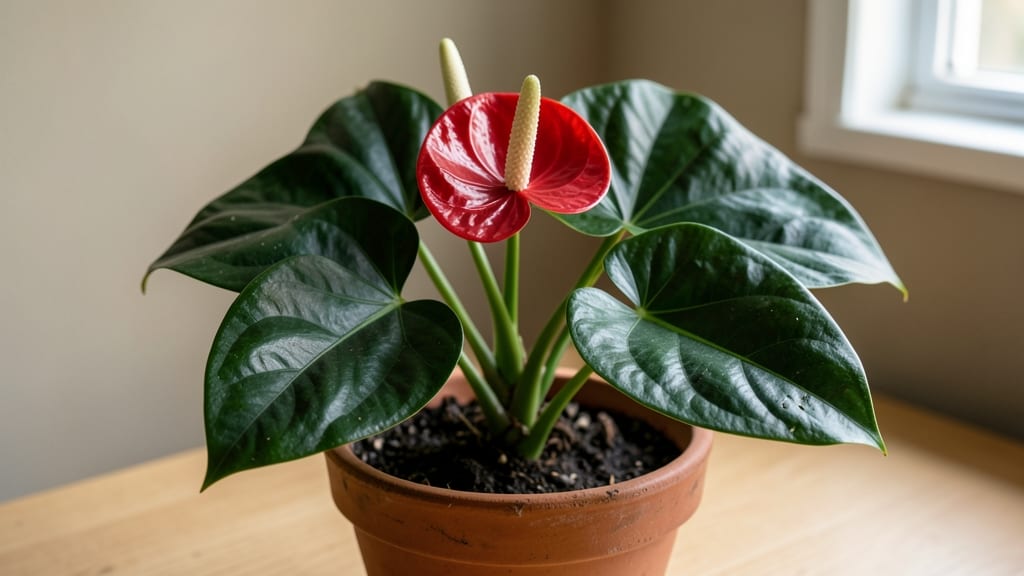
Growing indoor flowering house plants that actually bloom isn’t just possible—it’s easier than you think, even in rooms with just a desk lamp. 🌱 I’ve turned my dim living room into a year-round floral display with plants that refuse to give up, no matter how little light they get.
The secret isn’t fancy equipment but matching the right plant to your space and giving it what it really needs—not what you think it needs.
Most people overwater or underfeed their plants, which is why they never flower. My peace lilies now burst with white blooms every spring, and my African violets produce purple clusters without fail.
You’ll need basic supplies: well-draining pots, a gentle fertilizer, and a spray bottle for humidity—but that’s it. The biggest mistake? Assuming all houseplants have the same care routine. They don’t.
By the end of this, you’ll have plants that reward you with colorful blooms all year, not just sad green leaves. Imagine waking up to orchids unfurling in your bedroom or violets adding pops of purple to your kitchen windowsill.
The key is patience—these plants tell you exactly what they need if you listen. Let’s get those flowers growing.
Works for apartments, offices, or sun-starved bedrooms. No greenhouse required. Just a little attention to light, water, and feeding—and suddenly, your home feels like a botanical sanctuary. Ready to turn those leafy green walls into a floral masterpiece?
📚 In This Guide
- What you need
- Instructions
- Tips and common mistakes
- Wrapping up and next steps
What you need
- ● Low-light-tolerant flowering plants (1-3): African Violet (Saintpaulia) – 4-6" pots
- ● Peace Lily (Spathiphyllum) – 6-8" pots
- ○ Snake Plant (Sansevieria) – 6-10" pots (optional, for contrast)
- ● Containers: 1-3 pots with drainage holes (6-10" diameter, ceramic or terracotta preferred)
- ● Saucer trays (matching pot size, 1 per plant)
- ● Potting Mix: 1 bag (1-2 qt) well-draining indoor plant mix (or add perlite/pumice for aeration)
- ● Basic Tools: Small hand trowel or spoon
- ○ Glove (optional, for handling soil)
- ● Watering can with a narrow spout (or a spray bottle for misting)
- ● Light: Indirect light (e.g., near east/west-facing windows or 10-15 ft from south-facing windows). No direct sun!
- ● Temperature: Keep between 60–75°F (avoid drafts or heaters).
- ● Humidity: Aim for 40–60% (use a humidity tray or pebble tray if your home is dry).
- ● Water: Distilled or filtered water (tap water with high minerals can harm plants).
- ● Fertilizer: Balanced liquid fertilizer (diluted to half-strength, used monthly in spring/summer)
- ● Grow lights: LED full-spectrum bulb (6–8 hours/day if natural light is insufficient)
- ● Plant labels: Waterproof markers to track care needs
- ● Decorative stones or moss: For aesthetic saucer trays
Step-by-Step guide to growing low-light indoor flowering house plants
Here's how to coax vibrant blooms from shade-loving varieties—no greenhouse needed.
🌱 Step 1: Select the Right Varieties for Your Light Conditions
Not all flowering plants tolerate low light equally. For bright, indirect light (think 20-50 feet from a north-facing window), prioritize African violets or peace lilies. In dimmer corners (under 20 feet from a window), focus on spider plants or heartleaf philodendrons with variegated foliage—they'll still produce occasional blooms even without strong light.
I always check the plant's native habitat first—tropical understory species like calatheas or maidenhair ferns adapt best to indoor shade. Avoid sun-loving geraniums or snapdragons; they'll sulk and refuse to flower in low light. Look for labels specifying "low-light tolerant" or "shade bloomers" when shopping.
☀️ Step 2: Position Plants Strategically for Existing Light
Rotate your plants quarter-turn weekly so all sides receive even light exposure. You'll notice leaves bending toward the window? That's a sign your plant is stretching toward light—move it 4-6 inches closer to the glass. For truly dark spaces, supplement with a 12-inch LED grow light (10,000K color temperature) for 12 hours daily.
Here's the thing—some plants bloom better when slightly stressed. Peace lilies, for example, often produce more flowers when slightly root-bound. Check the pot's drainage holes: if roots circle the bottom, it's time to repot into a container just 1-2 inches larger in diameter. This mimics natural competition for resources and triggers flowering.
💧 Step 3: Master the Watering Balance for Low-Light Conditions
Low-light plants need less frequent watering because their metabolism slows down. Stick your finger 1 inch into the soil—if it feels dry, water until liquid runs from the drainage hole. Overwatering in dim light causes root rot faster than in bright conditions. I use a moisture meter for peace lilies; their thick leaves mask soil moisture levels.
Fertilize lightly during active growth (spring-fall) with a balanced 10-10-10 formula diluted to half-strength. Too much fertilizer in low light leads to lush foliage but no flowers. I fertilize my African violets every 4 weeks and withhold nutrients completely in winter when growth slows. Watch for yellowing leaves—they're begging for less fertilizer, not more.
✂️ Step 4: Encourage Blooming with Pruning and Care Triggers
Deadhead spent blooms immediately to redirect energy into new flowers. For African violets, pinch back leggy stems just above the third leaf node—this forces bushier growth and more blooms. Spider plants produce occasional flowers on long stems; I snip these stems at the base to prevent seed production and encourage foliage growth.
Some low-light plants need a coolth period to flower. Peace lilies often produce more blooms when nighttime temperatures drop to 60-65°F for 2-3 weeks. Move them to a cooler room (like a basement with indirect light) or place them near a window at night. This mimics seasonal changes that trigger flowering.
🌿 Step 5: Troubleshoot Common Low-Light Flowering Problems
No blooms? First check your light—most low-light plants need at least 4 hours of indirect light daily. Move the plant closer to the window or add a grow light. If leaves yellow between veins, it's often iron deficiency from overwatering in low light. Flush the soil with water to remove excess salts, then repot into fresh well-draining potting mix.
Brown leaf tips? That's usually dry air from indoor heating. Group your plants together to raise humidity naturally, or place pots on a tray filled with pebbles and water. Avoid misting foliage—it encourages fungal diseases in low-light conditions. For African violets, I use a pebble tray with distilled water to prevent mineral buildup from tap water.
Tips & tricks for perfect low-light indoor flowering house plants
Mastering low-light bloomers takes patience and precision—here's how to transform your dim spaces into a floral paradise.
Light Optimization: In Step 2, when positioning your plants, remember that north-facing windows provide the most consistent indirect light. If your space lacks natural light, supplement with a 12-inch LED grow light placed 12 inches away for 12 hours daily—this mimics natural daylight cycles that trigger flowering. I've found that positioning the light slightly above the plant (rather than directly overhead) prevents leaf burn while still providing sufficient energy for photosynthesis.
Stress-Induced Blooming: The instructions mention root-bound peace lilies produce more flowers, but here's what nobody tells you—this works because the plant perceives limited resources as a signal to reproduce. For African violets, gently squeeze the soil in the pot to create slight resistance when watering; this mimics natural soil compaction that triggers flowering. Just don't overdo it—roots need some room to breathe!
Seasonal Care Adjustments: In Step 4, when creating that 2-3 week coolth period for peace lilies, aim for nighttime temperatures between 60-65°F. I've had best success moving plants to a basement window or near a cool interior wall at night, then returning them to normal daytime temperatures. This temperature fluctuation mimics seasonal changes that stimulate blooming. For winter care, reduce watering to every 7-10 days—plants in low light naturally grow slower during cooler months.
Humidity Hack: That pebble tray mentioned for African violets works wonders, but here's the pro move: use distilled water instead of tap water to prevent mineral buildup that can damage delicate roots. For extra humidity, group your plants together—this creates a microclimate that raises humidity naturally. I keep my peace lilies and calatheas clustered on a humidity tray with a layer of pebbles and water, and they've never looked healthier!
Pro Tips for Indoor Flowering House Plants
- Mastering low-light bloomers takes patience and precision—here's how to transform your dim spaces into a floral paradise.
- Light Optimization: In Step 2, when positioning your plants, remember that north-facing windows provide the most consistent indirect light.
- Stress-Induced Blooming: The instructions mention root-bound peace lilies produce more flowers, but here's what nobody tells you—this works because the plant perceives limited resources as a signal to reproduce.
Frequently asked questions
Got questions about keeping your indoor flowering plants happy and blooming? You’re not alone! Here are answers to the most common concerns—from lighting to troubleshooting—so you can enjoy lush, low-light bloomers all year.
Which indoor flowering plants tolerate low light the best?
Look for peace lilies, African violets, or spathiphyllums—they’re top picks for dimmer spaces. These thrive under fluorescent or indirect natural light (even east-facing windows). Avoid sun-loving plants like geraniums unless you’ve got a bright spot!
How often should I fertilize flowering houseplants?
Feed your bloomers every 4–6 weeks during spring/summer with a balanced liquid fertilizer (like 10-10-10). Cut back in fall/winter—they’re dormant! Pro tip: Flush the soil with water monthly to prevent salt buildup from over-fertilizing.
Why aren’t my indoor flowers blooming?
Blooming fades when plants lack light, nutrients, or proper rest. Try:
- Move to brighter light (but avoid harsh sun).
- Reduce water—overwatering stresses roots.
- Trim dead blooms to encourage new growth.
- Give them a cool, dark "winter" (6–8 weeks) to reset.
How do I fix pests like spider mites or aphids?
Start with a neem oil spray (mix 1 tsp neem oil + 1 tsp mild soap in 1 quart water). Spray undersides of leaves and repeat weekly. For severe infestations, isolate the plant and wipe leaves with rubbing alcohol (70%+) on a cotton swab.
Can I propagate my flowering plants to save money?
Many (like African violets or bromeliads) propagate via:
- Leaf cuttings (place in water or soil).
- Division (split root clumps at repotting).
- Offshoots (like spider plant pups).
Just avoid propagating during blooming season—focus on healthy foliage!
Wrapping up and next steps
Bringing indoor flowering house plants into your space isn’t just about aesthetics—it’s about creating a thriving, vibrant ecosystem that lifts your mood and purifies the air.
From the peace lily’s elegant blooms to the African violet’s delicate charm, these low-light champions prove that nature can flourish even in cozy corners. 🌸
Ready to transform your home? Start small—pick one plant that speaks to you, follow its care needs, and watch as it rewards you with color and life. Your green thumb is closer than you think!
Next step: Browse our plant care guides or visit a local nursery to find your perfect blooming buddy today.