
Flowers
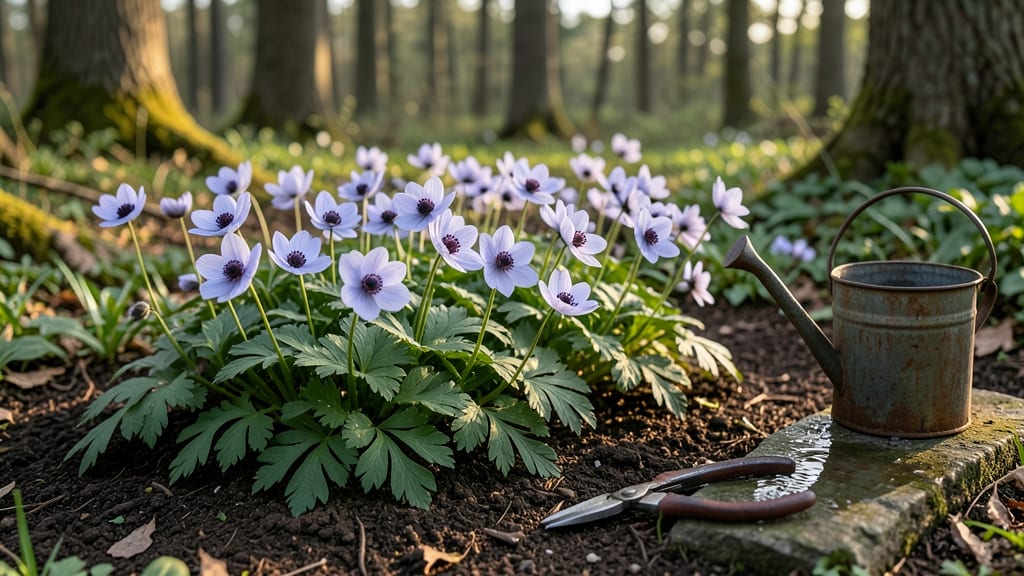
Irish Eyes flowers bring that dreamy blue-and-white palette to life—like a sun-dappled Irish countryside in your own garden. 🌿 I fell for this color scheme after visiting County Clare, where wild delphiniums and roses grew alongside ivy-clad stone walls, creating a scene straight out of a storybook.
The magic isn’t just in the flowers but in how they make every season feel like a celebration: spring’s blushes, summer’s bold blues, and autumn’s soft golds.
This isn’t about picking one plant—it’s about layering textures and shades to create harmony. Think tall delphiniums in cobalt blue, romantic white roses, and silver foliage like lamb’s ears to tie it all together. The key?
Deadheading spent blooms keeps the color vibrant longer, while evergreens like boxwood or heather add structure when other plants fade. Even in winter, dried delphinium stems in a vase keep the Irish spirit alive.
You’ll end up with a garden that feels like a hug—soft, timeless, and full of life. The blue-and-white combo works in cottage borders, container gardens, or even a single statement pot on your porch.
It’s a palette that pairs beautifully with Irish-inspired accents like brass hardware, weathered wood, or even a cozy stone path. Let’s bring that magic to your space, one bloom at a time.
Works for any yard size, from a tiny balcony to a sprawling landscape. The best part? This color scheme grows more charming with each passing season. Ready to transform your garden into a little piece of Ireland?
📚 In This Guide
- What you need
- Instructions
- Tips and common mistakes
- Wrapping up and next steps
What you need
- ● Irish Eyes Flower Seeds or Plants: Choose Tagetes patula (French Marigold) or Calendula officinalis (Pot Marigold) varieties labeled "Irish Eyes" for their striking bicolor blooms.
- ● Quantity: 10–20 plants/seeds (for a small garden bed) or 50+ for larger spaces.
- ● Well-Draining Soil: Mix garden soil with compost (ratio: 2:1) for optimal drainage.
- ● pH range: 6.0–7.5 (slightly acidic to neutral).
- ● Sunlight: Full sun (6+ hours/day) for best blooms.
- ● Watering Can or Hose: Keep soil evenly moist (not soggy) during germination and flowering.
- ● Pruning Shears: Sharp, sterilized shears for deadheading (3–4" blades).
- ● Slow-Release Fertilizer: Balanced 10-10-10 or 5-10-10 (apply at planting and mid-season).
- ● Mulch: Straw or shredded leaves to retain moisture and suppress weeds.
- ● Support Stakes: For taller varieties (e.g., Calendula), use bamboo stakes (6–12" tall).
- ● Organic Pest Control: Neem oil or pyrethrin spray (for aphids or spider mites).
How to keep Irish Eyes flowers blooming all year
Deadheading isn’t just maintenance—it’s the secret to nonstop color. Here’s how to master it.
🌿 Step 1: Understand the Plant’s Growth Cycle
Irish Eyes flowers thrive on consistent blooming, but they need a little help. These plants produce flowers along stems, and each bloom will fade unless you intervene. The key is timing—wait until a flower head starts wilting but hasn’t fully browned. This is your cue to act before the plant redirects energy to seed production.
Here’s the thing: if you deadhead too early, you’ll remove healthy blooms that could still attract pollinators. If you wait too long, the plant will shift focus to seed development, slowing new flower production. Watch for the first signs of petal droop—usually in the morning after a night’s dew. That’s your signal to grab your pruners.
✂️ Step 2: Deadhead Correctly for Continuous Blooms
Use clean, sharp pruning shears to snip just above the first set of healthy leaves below the faded bloom. This encourages new growth from that node. Don’t cut too far down—you’ll risk exposing the stem to rot or damaging the plant’s structure. Irish Eyes flowers respond best to precise cuts, so take your time.
I always make a slight angle when cutting to prevent water from pooling on the stem. This small detail keeps diseases at bay. After deadheading, inspect the stem for any remaining buds. If you see unopened blooms further down, leave them—these will open naturally and extend your flowering season.
💧 Step 3: Adjust Water and Fertilizer After Deadheading
Deadheading stresses the plant slightly, so give it a boost with ½ inch of water right after pruning. The roots need moisture to support new growth, but avoid soggy soil—Irish Eyes flowers hate wet feet. Water at the base in the morning to let foliage dry before evening, reducing fungal risks.
Now’s also the time to fertilize lightly. Use a balanced, water-soluble fertilizer (like 10-10-10) diluted to half strength. This gives the plant the nutrients it needs to rebound quickly. I fertilize every 4-6 weeks during active growth, but cut back in winter when blooming slows naturally.
☀️ Step 4: Monitor Light and Spacing for Year-Round Health
Irish Eyes flowers need full sun (6-8 hours daily) to keep blooming, but they also appreciate afternoon shade in hot climates. If you notice leaves yellowing or stems stretching, your plant might be getting too much heat. A sheer curtain or partial shade during peak afternoon sun can make a big difference.
Spacing matters too—crowded plants compete for resources and bloom less. Aim for 12-18 inches apart when planting, and prune back leggy stems to encourage bushier growth. This isn’t just about looks; denser foliage means more flower buds forming, which translates to longer blooming seasons.
⏰ Step 5: Plan Seasonal Deadheading for Nonstop Color
Spring and summer are prime blooming seasons, but Irish Eyes flowers can continue with the right care. In fall, reduce deadheading frequency as blooms slow naturally. Winter is a time to rest—prune back spent stems but hold off on heavy fertilization until spring.
Real talk: deadheading isn’t a one-time task. It’s an ongoing conversation with your plants. Check them 2-3 times a week during peak blooming seasons. The more attentive you are, the more your Irish Eyes flowers will reward you with vibrant, uninterrupted color—even in cooler months.
Tips & tricks for perfect Irish Eyes flower care
Took me years to figure out these little details that make all the difference between a garden that fades and one that bursts with color all year.
Timing is Everything: The morning after dew is the absolute best time to deadhead—petals will be slightly wilted but still vibrant. This timing ensures you're removing spent blooms while preserving the plant's energy. I've learned the hard way that waiting until afternoon often means missing the perfect window, and the plant starts focusing on seed production instead of new blooms.
Tool Precision: Invest in a good pair of bypass pruners—they make clean cuts that heal faster and reduce stress on the plant. I always sterilize my tools with rubbing alcohol between cuts to prevent spreading disease. For larger stems, use pruning shears instead of your hands—you'll get a much cleaner cut that encourages healthier regrowth. The difference in plant recovery is noticeable within days.
Seasonal Adjustments: During peak blooming seasons (spring and summer), I increase my deadheading frequency to 2-3 times weekly. In fall, I cut back to once a week as blooms naturally slow. Winter is the time to rest—just remove completely spent stems without heavy pruning. This seasonal rhythm keeps the plant in balance and prevents overstressing it during its dormant phase.
Light Management: If you notice your Irish Eyes flowers stretching toward the light with long, leggy stems, it's a clear sign they need more shade during peak afternoon sun. I've had great success with sheer white curtains that filter sunlight without completely blocking it. This adjustment can make the difference between vibrant blooms and sparse, weak growth, especially in hotter climates.
Pro Tips for Irish Eyes Flowers
- Took me years to figure out these little details that make all the difference between a garden that fades and one that bursts with color all year.
- Timing is Everything: The morning after dew is the absolute best time to deadhead—petals will be slightly wilted but still vibrant.
- Tool Precision: Invest in a good pair of bypass pruners—they make clean cuts that heal faster and reduce stress on the plant.
Frequently asked questions
about Irish Eyes Flowers—because even the prettiest blooms need a little troubleshooting love!What does "deadheading" mean, and why is it important for Irish Eyes?
Deadheading is simply removing spent or faded flowers to encourage new blooms. For Irish Eyes (a mix of Begonia and Coleus), it redirects energy to vibrant foliage and flowers, keeping them lush year-round. Skip it, and you’ll get leggy stems and fewer blooms!
How often should I deadhead Irish Eyes?
Check your plants weekly—especially during peak bloom (spring/summer). Snip off only the faded blooms, not the leaves. For Coleus (the colorful foliage), trim just the flowers to preserve its stunning patterns. Pro tip: Morning deadheading reduces stress on plants!
What’s the best way to deadhead Irish Eyes without hurting the plant?
Use clean, sharp scissors or pruners (sterilized with rubbing alcohol) to cut just above a leaf node (where new growth emerges). Avoid tearing stems—this can invite pests. For Begonias, pinch off flowers at the base; for Coleus, trim stems at a 45° angle to prevent water pooling.
Can I deadhead Irish Eyes in winter, or should I wait for spring?
Yes! Irish Eyes are tender perennials (or annuals in cold climates), so deadhead lightly in winter to remove dead growth. In frost-prone areas, bring potted plants indoors before hard freezes. If leaves yellow, it’s time for a pruning refresh—but avoid heavy cuts until spring.
What if my Irish Eyes stop blooming after deadheading?
Don’t panic! Over-trimming or low light can stunt blooms. Try these fixes:
- Boost light: Move to a south-facing window or use grow lights (12–14 hrs/day).
- Check water: Overwatering causes root rot. Let soil dry 1 inch deep between waterings.
- Fertilize: Use a balanced liquid fertilizer (10-10-10) every 4–6 weeks in growing season.
Wrapping up and next steps
From vibrant spring blooms to cozy winter charm, Irish Eyes flowers prove that deadheading isn’t just maintenance—it’s an art! 🌸 With the right tools, timing, and techniques, you’ll unlock year-round color and keep your garden thriving.
Whether you’re a seasoned gardener or a curious beginner, every snip brings you closer to a flourishing, picture-perfect space.
Ready to transform your garden? Grab your shears and try one of the tips from our FAQ—your Irish Eyes flowers will thank you! 🌿 Start deadheading today and watch your garden bloom with confidence!