
Flowers
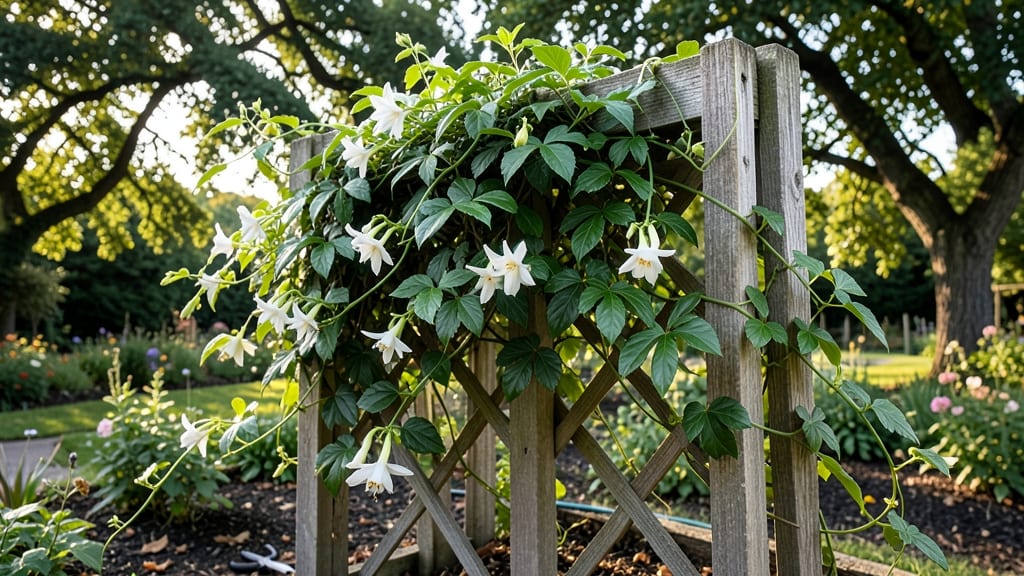
A jasmine flower climber can turn your blank wall into a fragrant purple dream—just imagine waking to that intoxicating scent drifting through your morning coffee.
I learned the hard way that these vines aren’t just pretty; they’re demanding in the best way, rewarding patience with blooms that last from late spring through summer.
The secret lies in mimicking their natural habitat: partial shade, well-draining soil, and a sturdy trellis they can cling to like a jungle explorer.
You’ll need a 5-gallon container for young plants, a trellis or fence at least 6 feet tall, and a spot that gets morning sun but afternoon shade—especially in hotter climates. Star jasmine and Confederate jasmine are the most fragrant varieties, but they need consistent moisture without soggy roots.
Overwatering is the #1 killer, so I’ve perfected a "dip my finger in" test before watering again. Pruning after blooming keeps them bushy and encourages next year’s flowers.
By summer’s end, your vertical garden will be a purple waterfall of blooms, their scent stronger at dusk when hummingbirds visit. The key is pruning after blooming—never in spring—and fertilizing lightly in early spring with compost.
Even in small spaces, these climbers transform bare walls into living art. Ready to turn your yard into a fragrant retreat? Let’s get those vines growing.
Works for balconies, pergolas, or even old wooden fences—just avoid full sun in hot zones. The first year is about establishing roots; the real magic happens in year two when they really take off.
Confession: my first attempt nearly died from too much sun. Now? It’s the centerpiece of my patio. Let’s avoid that mistake together.
📚 In This Guide
- What you need
- Instructions
- Tips and common mistakes
- Wrapping up and next steps
What you need
- ● Jasmine climber plants: Choose Jasminum officinale (common jasmine) or Jasminum polyanthum (winter jasmine) for fragrant purple blooms. Buy 3–5 healthy nursery-grown plants (6–12 inches tall) for full coverage.
- ● Support structure: Trellis (6–8 ft tall) or
- ● Arbor, pergola, or sturdy fence (with horizontal slats for vines to latch onto).
- ● Potting mix: 10–15 gallons of well-draining, organic soil blend (e.g., 60% garden soil + 30% compost + 10% perlite).
- ● Slow-release fertilizer: 1–2 lbs of 10-10-10 or organic options like fish emulsion.
- ● Mulch: 2–3 inches of shredded bark or wood chips to retain moisture.
- ● Gardening tools: Trowel or hand shovel
- ● Pruning shears (sterilized)
- ○ Gloves (optional but recommended)
- ● Watering supplies: Hose with nozzle or watering can (1–2 gallons capacity).
- ● Sunlight access: 6+ hours of direct sun (partial shade tolerates but may reduce blooms).
- ● Drainage: Ensure containers have drainage holes or plant in-ground where water pools won’t linger.
- ● Epsom salt (1 tbsp/month) for magnesium boosts.
- ● Copper wire or plant ties for young vines.
- ● Drip irrigation kit for automated watering.
- ● Decorative lights to highlight blooms at night!
Step-by-step guide to cultivating a fragrant purple jasmine climber
This elegant vine thrives with the right support and care—here’s how to coax those intoxicating blooms.
🌱 Step 1: Select and Prepare the Planting Site
Choose a location with partial shade to full sun—jasmine tolerates morning sun but prefers afternoon shade in hot climates. The vine needs a sturdy trellis, arbor, or fence at least 6 feet tall to support its sprawling growth. I always install the support first to avoid disturbing roots later.
Test the soil pH—jasmine prefers slightly acidic to neutral (6.0-7.0). Amend heavy clay with 2-3 inches of compost mixed into the top 12 inches of soil. Loosen the ground to 18 inches deep for strong root establishment. If planting in containers, use a well-draining potting mix with added perlite to prevent root rot.
☀️ Step 2: Plant and Provide Initial Support
Dig a hole twice as wide as the root ball but only as deep as the container’s base. Position the plant so the top of the root ball sits 1 inch above ground level—this prevents waterlogging during heavy rains. Gently remove the plant from its container and tease out any circling roots to encourage outward growth.
Place the trellis or support structure within 6 inches of the planting hole. Secure the vine loosely to the structure with soft plant ties or twine, leaving 12 inches of slack to prevent constriction as it grows. Water deeply immediately after planting to settle the soil and eliminate air pockets around the roots.
💧 Step 3: Establish a Watering and Fertilizing Routine
Water deeply once a week during the first 30 days to encourage deep root growth. After establishment, reduce to every 10-14 days, allowing the top 2 inches of soil to dry between waterings. Jasmine is drought-tolerant once mature, but consistent moisture during the first season prevents leaf scorch.
Fertilize monthly during spring and summer with a balanced 10-10-10 formula, halving the recommended dose to avoid burning tender roots. I always apply fertilizer in the early morning when temperatures are cooler, and water thoroughly afterward to distribute nutrients evenly. Stop fertilizing in late summer to allow the plant to harden off for winter.
✂️ Step 4: Prune for Shape and Encourage Blooms
Prune lightly in early spring before new growth begins, removing any dead or crossing branches. Cut back any overly long stems by one-third to encourage bushier growth and more abundant flowering. I always prune just above a leaf node where new growth will emerge.
After the first flush of blooms, trim back spent flowers to just above the next set of leaves—this redirects the plant’s energy into producing more flowers rather than seed pods. Avoid heavy pruning in fall, as the vine needs foliage to store energy for winter survival. Wearing gloves helps; jasmine leaves can be slightly irritating to sensitive skin.
🪴 Step 5: Overwinter and Protect for Next Season
In colder climates, wrap the trellis and vine in burlap or frost cloth once temperatures drop below 32°F. I always leave the bottom 6 inches of the vine uncovered to prevent rot from trapped moisture. Mulch the base of the plant with 3-4 inches of shredded bark to insulate roots and retain moisture.
Reduce watering significantly in fall, allowing the soil to dry more between waterings. Resume normal care in early spring once new growth appears. If your jasmine is in a container, move it to a sheltered location before the first frost and reduce watering to every 3-4 weeks during dormancy.
Tips & tricks for cultivating fragrant purple jasmine climbers
These simple yet game-changing strategies will help your jasmine vine thrive and reward you with those intoxicating purple blooms.
Support Structure Matters: When installing your trellis or arbor, bury the posts at least 6 inches deep and stake them securely before planting. This prevents the structure from shifting when you attach the vine later. I've seen too many trellises topple over after the first strong wind because they weren't properly anchored. Use metal or wooden stakes to reinforce the base if needed, especially in windy locations.
Soil Amendments for Success: The 2-3 inches of compost mixed into the top 12 inches of soil isn't just decoration—it's essential for root health. For heavier clay soils, consider adding 1 part perlite or coarse sand to 3 parts compost to improve drainage. I've found that container-grown jasmines especially benefit from this mix, as they can't rely on natural soil structure to help with drainage.
Watering Wisdom: During those first 30 days, don't just water—water deeply. Use your finger to check moisture 2 inches below the surface after watering. If it feels dry, you need to water more deeply next time. The goal is to encourage roots to grow downward for stability, not just spread out near the surface. A soaker hose works wonders for this, delivering water slowly and directly to the root zone.
Pruning Precision: When you're trimming back spent flowers to just above the next set of leaves, look for the small bump where new growth will emerge—this is your leaf node. Cutting just above this bump ensures you're not removing potential blooms. I've learned the hard way that cutting too close to the stem can leave the plant vulnerable to disease. Always use clean, sharp pruners and disinfect them with rubbing alcohol between cuts to prevent spreading any potential pathogens.
Pro Tips for Jasmine Flower Climber
- These simple yet game-changing strategies will help your jasmine vine thrive and reward you with those intoxicating purple blooms.
- Support Structure Matters: When installing your trellis or arbor, bury the posts at least 6 inches deep and stake them securely before planting.
- Soil Amendments for Success: The 2-3 inches of compost mixed into the top 12 inches of soil isn't just decoration—it's essential for root health.
Frequently asked questions
Got questions about growing your own fragrant jasmine flower climber? You’re not alone! Here are answers to the most common queries from gardeners just like you.
What’s the best time of year to plant jasmine climbers?
Plant your jasmine flower climber in early spring (after the last frost) or fall (4-6 weeks before the first frost). This gives roots time to establish before extreme temperatures hit. Avoid planting in summer heat or winter cold—both can stress young plants.
How fast does jasmine grow, and how tall can it get?
Jasmine climbers are fast growers—expect 1-2 feet per year with proper care! Mature vines can reach 15-20 feet (or more with support). Prune regularly to control size and encourage bushier, fragrant blooms. Pro tip: Train vines early to avoid tangled messes!
Can I grow jasmine climbers in containers or small spaces?
Use a large container (15+ gallons) with drainage holes and a trellis or obelisk for support. Choose compact varieties like Jasminum officinale ‘Aureum’ for smaller gardens. Just ensure it gets 6+ hours of sunlight daily—containers dry out faster!
Why isn’t my jasmine flowering? Troubleshooting tips!
Lack of flowers? Check these fixes:
- Not enough sun: Move to a sunnier spot (jasmine needs full sun for blooms).
- Over-fertilizing: Too much nitrogen = leafy growth, no flowers. Use a balanced fertilizer (10-10-10) in spring.
- No pruning: Trim dead or leggy growth in late winter to encourage new blooms.
- Pests/disease: Spider mites or fungal issues can stress plants. Treat with neem oil if needed.
What’s the difference between jasmine climbers and trailing jasmine?
Climbing jasmine (e.g., Jasminum officinale) grows upward with tendrils, needing trellises or fences. Trailing jasmine (e.g., Jasminum polyanthum) spills over edges without support, ideal for hanging baskets. Climbers often have larger, more fragrant blooms; trailers bloom earlier but may be less hardy.
Wrapping up and next steps
Transforming your space with a jasmine flower climber isn’t just about adding beauty—it’s about creating a fragrant, living masterpiece that thrives with care. Whether you’re a seasoned gardener or just starting, these fragrant purple cascades can turn any wall or trellis into a sensory delight. 🌸
Ready to take the next step? Start by selecting your perfect spot, gathering your supplies, and watching your garden bloom with elegance and aroma. Happy planting—your vertical garden awaits! 🌱