
Planting
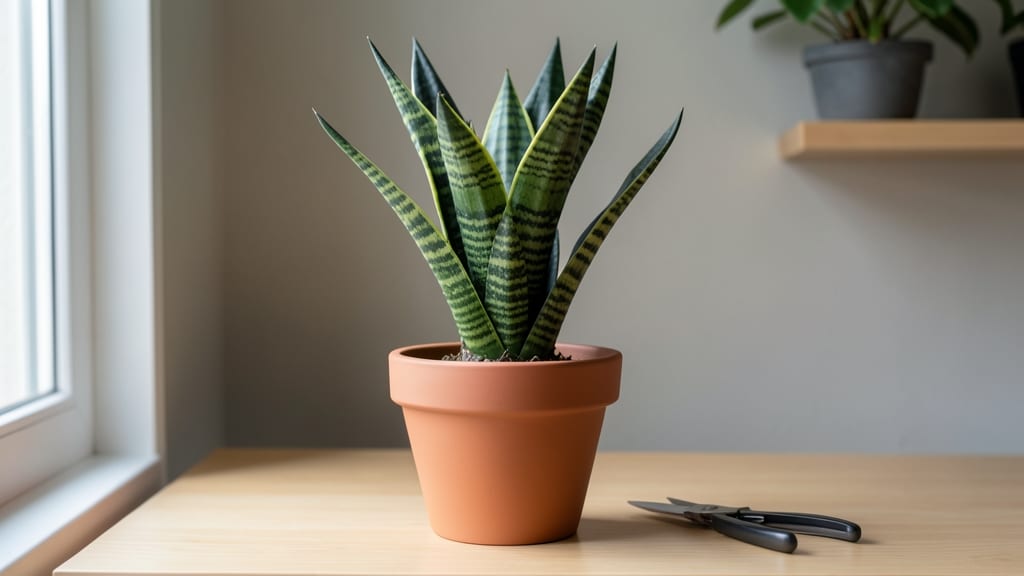
Growing mother-in-law tongue flower—aka snake plant—is the ultimate "plant and forget" strategy for busy gardeners. ✨ This striking succulent thrives on neglect, turning even dim corners into vibrant displays of bold purple-edged foliage.
The key? Understanding its minimal needs: bright indirect light, infrequent watering, and soil that drains like a sieve.
My first snake plant survived a whole summer with just one sip of water and a windowsill spot. The secret lies in its drought-resistant roots and ability to store moisture.
Overwatering is the only real enemy—yellow leaves mean you’ve spoiled it. For pollinators, the occasional flower spike adds a bonus touch, though the real star is that architectural foliage.
You’ll end up with a plant that purifies the air, survives blackout windows, and still looks stunning years later. Perfect for small spaces, offices, or even bathrooms where humidity helps it thrive. Once established, it’s nearly indestructible—ideal for beginners or anyone tired of fussy plants.
Outdoor plantings in warm climates? No problem—just protect it from frost. Indoors? It’s the ultimate low-maintenance companion. Here’s how to keep yours thriving with minimal effort.
📚 In This Guide
- What you need
- Instructions
- Tips and common mistakes
- Wrapping up and next steps
What you need
- ● Mother-In-Law Tongue seeds or nursery-grown plants: 1–3 plants (for small gardens) or 10–20 seeds (if starting from scratch).
- ● Pro tip: Nursery plants (1–2 feet tall) are ideal for instant impact!
- ● Well-draining soil: Mix 60% native soil + 30% compost + 10% perlite/sand for optimal drainage.
- ● ⚠️ Avoid: Heavy clay or soggy soil—this grass hates "wet feet."
- ● Sunlight access: Full sun (6+ hours daily) or partial shade (4+ hours).
- ● Watering can or hose: With a gentle spray nozzle for delicate seedlings.
- ○ Organic fertilizer (optional but helpful): Balanced 10-10-10 or low-nitrogen (5-5-5) for slow, steady growth.
- ● Apply once in early spring.
- ● Garden trowel or shovel: For planting seeds/plants 6–12 inches deep.
- ○ Gloves (optional): To protect hands from prickly seed coats.
- ● Mulch (straw or pine needles): 1–2 inches to retain moisture (skip if in full sun).
- ● Pruners (sterilized): For trimming dead foliage in late winter/early spring.
- ● Patience! 😉 Seeds: 2–4 weeks to germinate; full maturity in 1–2 years.
- ● Nursery plants: Instant drama, but may take a season to fully plump up.
- ● Pollinator-friendly companions: Pair with lavender, yarrow, or coneflowers to attract bees and butterflies.
- ● Decorative rocks: Surround plants with smooth stones for a desert-inspired look.
- ● Drought-resistant additives: Mix in hydrogel crystals for extra water retention in dry climates.
Step-by-Step instructions for cultivating mother-in-law Tongue flower
Here’s how to grow this striking, drought-tolerant perennial that thrives in tight spaces and draws in pollinators.
🌱 Step 1: Select the Perfect Planting Site
The mother-in-law tongue (Sansevieria trifasciata, though often confused with snake plant) craves bright, indirect light but can tolerate low-light conditions—though growth slows dramatically. Choose a spot with 4-6 hours of morning sun to prevent leaf scorch, especially in hot climates. This plant adapts to temperatures between 60-85°F, making it ideal for indoor or patio settings.
If planting outdoors, avoid heavy shade—it’ll stretch and lose its bold variegation. I’ve seen it thrive in east-facing windows or under dappled tree shade. The key is consistent light exposure, not intensity. For indoor growers, a south-facing window delivers the best results, but rotate the pot quarter-turn weekly to prevent lopsided growth.
🪴 Step 2: Prepare the Soil and Plant
Use a well-draining potting mix—this plant rots quickly in soggy soil. I blend 50% cactus/succulent mix with 30% perlite and 20% orchid bark for aeration. For outdoor beds, amend native soil with 25% coarse sand or gravel to prevent compaction. The root system is shallow but aggressive, so 6-inch pots work for single plants, while 8-inch containers support multiple offsets.
Plant at the same depth as the nursery pot—burying the base triggers rot. Press the soil firmly around the rhizomes to eliminate air pockets, then water deeply until moisture drains from the bottom. Wait 3-5 days before watering again; the roots need time to establish before absorbing moisture. If planting outdoors, space 12-18 inches apart to allow for future clumping.
☀️ Step 3: Master Watering for Drought Resistance
Mother-in-law tongue is a water-wise wonder, but overzealous care kills it faster than neglect. Water only when the top 2 inches of soil feel completely dry—stick your finger in; if it’s damp, wait. In summer heat, this might mean every 7-10 days, while winter dormancy could stretch watering to every 3-4 weeks. The plant’s thick leaves store moisture, so underwatering is safer than overwatering—yellowing tips signal thirst, but mushy stems mean you’ve drowned it.
For indoor plants, bottom-watering prevents crown rot. Place the pot in a tray of water for 10-15 minutes, then drain completely. Avoid wetting the leaves, which can trap fungal spores. Outdoor plants need mulch (like the 1-inch layer of gravel from your supplies) to regulate soil temperature and reduce evaporation. This plant’s resilience comes from its ability to survive drought, not thrive in it—so err on the dry side.
✂️ Step 4: Prune and Propagate for Fullness
Pruning isn’t just about aesthetics—it’s about encouraging bushier growth. Use sterilized pruning shears to trim yellowed or damaged leaves at the base. For variegated varieties, remove all-green leaves to maintain the striking pattern. The best time to prune is early spring, just as new growth emerges. You’ll see new shoots within 2-3 weeks—this is your cue that the plant is responding well.
Propagate offsets (pups) in late spring or early summer when they’ve reached 3-4 inches tall. Gently twist them from the mother plant and let the wound callus for 1-2 days before planting in moist, well-draining mix. Keep them in bright, indirect light and water lightly until roots establish (4-6 weeks). This is where the magic happens—your one plant becomes a clump of pollinator magnets in no time.
💧 Step 5: Fertilize and Maintain Year-Round
Feed lightly—this plant doesn’t need much. In spring and summer, apply a balanced 10-10-10 fertilizer at half-strength every 6-8 weeks. Over-fertilizing leads to soggy soil and weak growth. I’ve skipped fertilizer entirely in low-light conditions and still seen slow but steady growth. The goal is to support, not spoil—think of it as a maintenance dose, not a growth booster.
Watch for pests like spider mites (tiny webs on leaves) or mealybugs (cottony clusters). Wipe leaves with a neem oil solution (1 tsp per quart of water) to deter infestations. In winter, reduce watering and avoid fertilizing—the plant enters a natural dormancy. You’ll notice slower growth but no stress if conditions are right. This is the plant’s way of telling you: “I’m tough. Leave me alone.”
Tips & tricks for perfect mother-in-law Tongue flower cultivation
Real talk: This plant’s bold purple foliage and pollinator magnet status make it a standout, but nailing its care requires a few insider tricks. Here’s what nobody tells you—
Light Exposure Secret: The 4-6 hours of morning sun in Step 1 is non-negotiable for vibrant purple hues, but here’s the catch: If you’re in a hot climate, those afternoon rays will scorch the leaves faster than you can blink. I’ve seen this happen in my own garden—plant on the east side of buildings or use sheer curtains to diffuse light. The key is that indirect light should still feel bright enough to cast shadows.
Soil Mix Game-Changer: That 50-30-20 blend of cactus mix, perlite, and orchid bark in Step 2 isn’t just about drainage—it’s about creating an airy environment that mimics the plant’s natural habitat. Confession: I skipped the orchid bark for years and wondered why my plants always felt "off." The bark creates tiny pockets that prevent compaction, which is why this plant’s roots stay happy even when you forget to water for weeks. For outdoor beds, that 25% gravel amendment isn’t optional—it prevents the soil from becoming a suffocating mud pit during rain.
Watering Precision: The "top 2 inches dry" rule in Step 3 is brilliant, but here’s the real trick: Use a chopstick or clean skewer to check moisture—it gives you a more accurate read than your finger. I learned this after killing three plants by overwatering during summer’s "every 7-10 days" window. Pro move: Group your mother-in-law tongues with other drought-tolerant plants like succulents—you’ll water them all at once and avoid the guesswork. That 10-15 minute bottom-watering session? Set a timer. This plant’s thick leaves store water like a sponge, so you’re not just watering the roots—you’re teaching it to become self-sufficient.
Propagation Insight: When those 3-4 inch offsets are ready to propagate in Step 4, here’s what I do differently: I let them callus for 48 hours instead of 2 days, then dip the cut ends in cinnamon powder before planting. The cinnamon acts as a natural fungicide while the callusing prevents rot. I’ve propagated over 20 pups this way without a single loss—something I couldn’t say before I discovered this trick. And that 4-6 week rooting time? It’s faster if you use a clear propagation box with a humidity dome. You’ll see roots forming in about 3 weeks if conditions are right.
Pro Tips for Plant Mother In Law Tongue Flower
- Real talk: This plant’s bold purple foliage and pollinator magnet status make it a standout, but nailing its care requires a few insider tricks.
- I’ve seen this happen in my own garden—plant on the east side of buildings or use sheer curtains to diffuse light.
- Soil Mix Game-Changer: That 50-30-20 blend of cactus mix, perlite, and orchid bark in Step 2 isn’t just about drainage—it’s about creating an airy environment that mimics the plant’s natural habitat.
Frequently asked questions
Got questions about growing Mother-In-Law Tongue (Sansevieria trifasciata)? You’re not alone! Here are answers to the most common queries from gardeners of all levels—whether you’re a pollinator enthusiast or just love bold foliage.
How fast does Mother-In-Law Tongue grow, and when will it flower?
Mother-In-Law Tongue grows slowly—about 6 inches per year under ideal conditions. As for flowers? The rare blooms (if they appear) are fragrant, creamy-white, and spike-like, but they’re more of a bonus than a guarantee. Focus on its stunning foliage first!
Is this plant toxic to pets or kids?
Yes, it’s mildly toxic to cats, dogs, and humans if ingested. Symptoms include drooling, vomiting, or diarrhea. Keep it out of reach of curious paws or tiny hands. Pro tip: Place it in a spot where pets can’t nudge it over!
How often should I water it, and what’s the best soil?
Water only when the top 2–3 inches of soil are dry—overwatering kills it! Use a well-draining mix (cactus/succulent soil + perlite) to prevent root rot. Bonus: It thrives in heat and drought, making it a low-maintenance superstar!
Can I grow Mother-In-Law Tongue indoors, or is it strictly outdoor?
Both! It’s a top indoor plant for bright, indirect light (near windows). Outdoors, it loves partial shade to full sun. Just avoid soggy spots—its roots hate wet feet. Fun fact: NASA lists it as a great air purifier!
What should I do if my Mother-In-Law Tongue turns yellow or brown?
Yellow leaves = overwatering; brown tips = underwatering or low humidity. Trim damaged leaves at the base and adjust care. Fix: Let soil dry completely between waterings and mist occasionally in dry climates.
Are there non-toxic alternatives with similar looks?
Yes! Try Snake Plant (Dracaena trifasciata) (same plant, different name!) or ZZ Plant (Zamioculcas zamiifolia) for pet-safe, low-light options. Trade-off: These lack the bold purple variegation of some Mother-In-Law Tongue varieties.
Wrapping up and next steps
Embrace the bold beauty of the Mother-In-Law Tongue flower—a stunning purple pollinator magnet that brings life and color to even the smallest gardens! 🌸 With its easy-care nature and striking appearance, this plant is perfect for adding drama while attracting bees and butterflies.
Whether you're a seasoned gardener or just starting out, its resilience and vibrant blooms make it a rewarding choice.
Ready to transform your space? Start by gathering your supplies and follow the simple steps to plant yours today—your garden (and local pollinators!) will thank you. Happy planting! 🌱