
Flowers
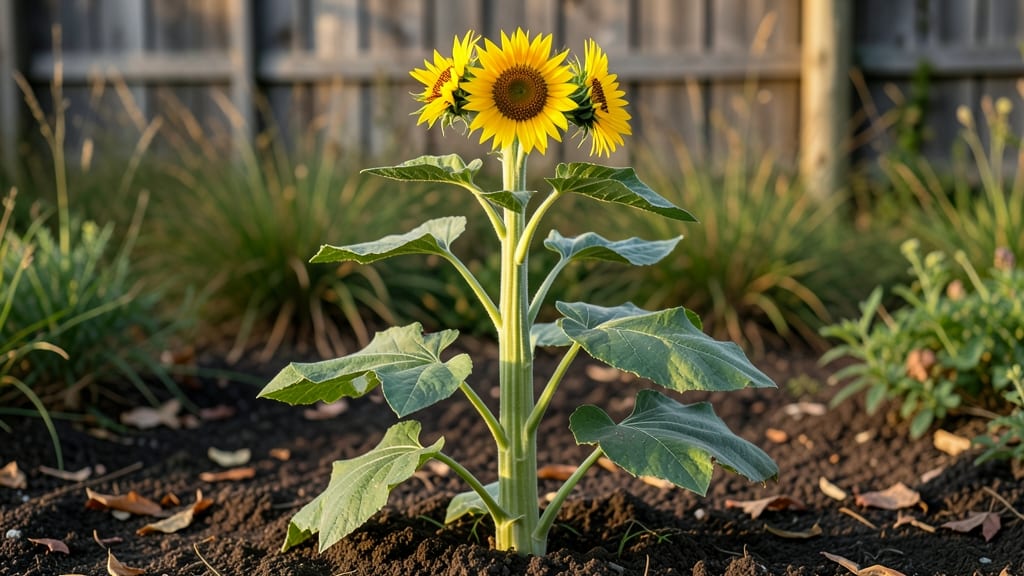
Growing Jerusalem artichoke flowers means year-round blooms with almost no pruning work—once you know the trick. 🌻 I’ve watched these sun-loving perennials turn my garden into a late-summer gold rush, their cheerful daisy-like flowers lasting from August through frost, sometimes even pushing through snow in mild winters.
The secret isn’t complicated: these plants thrive on neglect once established. They love full sun, tolerate poor soil, and need water only when the ground feels dry two inches down.
The real magic happens when you let them grow wild—the more you prune, the fewer flowers you’ll get. In fact, I’ve found that cutting back too early stunts their blooming.
By mid-summer, you’ll have towering stems topped with hundreds of bright yellow flowers that attract bees and butterflies. The tubers are edible too, tasting like sweet chestnuts when roasted—though the flowers alone make them worth growing. Just don’t let them self-seed where you don’t want them.
Perfect for pollinator gardens, low-maintenance borders, or even container growing in warm climates. Here’s how to coax the most blooms from these hardy perennials without lifting a finger after the first year.
📚 In This Guide
- What you need
- Instructions
- Tips and common mistakes
- Wrapping up and next steps
What you need
- ● Jerusalem artichoke tubers: 3–5 large, firm tubers (1–2 inches in diameter) per plant. Choose disease-free, organic tubers for best results.
- ● Well-draining soil: A mix of 60% garden soil, 30% compost, and 10% perlite or coarse sand (pH 6.0–7.5). Jerusalem artichokes thrive in loose, fertile soil.
- ● Sunlight access: A sunny spot with at least 6–8 hours of direct sunlight daily (partial shade in hot climates).
- ● Watering can or hose: For deep, consistent watering (1–2 inches per week, more during droughts).
- ● Mulch: Straw, wood chips, or shredded leaves (2–3 inches thick) to retain moisture and suppress weeds.
- ● Garden fork or trowel: For planting tubers 4–6 inches deep and spacing them 18–24 inches apart.
- ● Pruners or shears: For trimming dead foliage or shaping plants (sterilize with rubbing alcohol between cuts).
- ○ Fertilizer (optional): Balanced 10-10-10 fertilizer at planting.
- ● Low-nitrogen 5-10-10 fertilizer mid-season for blooms (sprinkle lightly around the base).
- ○ Stakes or trellis (optional): If your variety grows tall (e.g., ‘Doodle’), support stems to prevent flopping.
- ○ Pest control (optional): Neem oil or insecticidal soap for aphids or slugs (common in humid climates).
How to grow stunning Jerusalem artichoke flowers all year
Here's the simple approach I use to keep these hardy perennials flowering beautifully with almost no fuss.
🌱 Step 1: Plant Tubers in Well-Draining Soil
Jerusalem artichoke tubers need 6-12 inches of loose, sandy soil to prevent rot. I dig holes twice as wide as the tubers and place them 4-6 inches deep, with the eyes (buds) facing up. The tubers will multiply aggressively, so plant them in containers or raised beds if you want to control spreading.
Mulch with 3-4 inches of straw or wood chips after planting to protect tubers from freezing temperatures. The mulch also helps regulate soil moisture, which these plants love. Wait until the soil feels cool but not frozen—usually late spring in most climates—to plant for best results.
☀️ Step 2: Provide Full Sun and Consistent Water
These plants thrive in full sun (6+ hours daily)—the more sun, the bigger and brighter the flowers. I've seen them bloom in partial shade, but the blooms are smaller and less vibrant. Water deeply once a week during dry spells, ensuring the soil stays moist but not soggy.
Here's the thing—Jerusalem artichokes are drought-tolerant once established, but young plants need consistent moisture to develop strong roots. You'll know they're happy when the leaves stay deep green and slightly waxy, not yellow or wilted.
✂️ Step 3: Minimal Pruning for Year-Round Blooms
This is where it gets easy—no heavy pruning needed. I simply snip off dead or damaged stems in early spring to encourage new growth. The real trick is light pruning after each flowering cycle to keep the plant compact and encourage more blooms.
When flowers fade, cut the spent stems back to just above a set of leaves. This prevents seed heads from forming (which spreads the plant aggressively) and redirects energy into new growth. You'll see fresh buds forming within 2-3 weeks—that's your reward for minimal effort.
🪴 Step 4: Divide and Control Spread Every 2-3 Years
Jerusalem artichokes multiply rapidly, so dig up and divide tubers every 2-3 years in early spring or fall. I use a shovel to lift the entire clump, then separate the tubers with my hands. Plant the largest, healthiest tubers back into the ground, and share the extras with friends or compost the rest.
This division keeps the plant from taking over your garden. You'll notice the flowers become even more abundant after dividing, as the plant focuses its energy on new growth rather than maintaining a massive root system.
Tips & tricks for year-round Jerusalem artichoke blooms
These easy-care plants reward minimal effort with stunning flowers—here's how to maximize their beauty without the work.
Soil Prep Secret: Before planting, mix a handful of compost into the bottom of your planting holes. This gives tubers an immediate nutrient boost without overfeeding, which can cause rot. I also add a thin layer of gravel at the bottom of the hole to improve drainage—Jerusalem artichokes hate soggy roots. This simple step makes all the difference in preventing those dreaded brown spots.
Sunlight Strategy: While these plants tolerate partial shade, I've found that positioning them just south of taller plants in your garden gives them morning sun while shielding them from harsh afternoon rays. This balance creates more vibrant blooms without risking leaf scorch. In containers, place them where they'll get at least 6 hours of direct sun daily—even a small patio can work if it gets good sunlight.
Pruning Hack: When you're cutting back spent blooms in Step 3, use clean, sharp pruning shears and make cuts at a 45-degree angle just above a leaf node. This angled cut prevents water from pooling on the stem, which reduces disease risk. I also like to sterilize my shears with rubbing alcohol between cuts—it keeps your plants healthier and extends their flowering season.
Pro Tips for Jerusalem Artichoke Flowers
- These easy-care plants reward minimal effort with stunning flowers—here's how to maximize their beauty without the work.
- Soil Prep Secret: Before planting, mix a handful of compost into the bottom of your planting holes.
- Sunlight Strategy: While these plants tolerate partial shade, I've found that positioning them just south of taller plants in your garden gives them morning sun while shielding them from harsh afternoon rays.
Frequently asked questions
Got questions about growing and enjoying Jerusalem artichoke flowers? You’re not alone! Here are some of the most common queries—plus straightforward answers to help you cultivate stunning blooms with ease.
Do Jerusalem artichoke flowers need full sun to thrive?
While they prefer full sun (6+ hours daily), these hardy perennials tolerate partial shade—especially in hotter climates. In shadier spots, expect slightly smaller blooms but still vibrant purple-pink flowers. Just ensure good airflow to prevent fungal issues.
When is the best time to plant Jerusalem artichoke tubers for flowers?
Plant tubers in early spring (as soon as soil is workable) or fall (6 weeks before frost). Avoid planting too late—tubers need time to establish roots before winter. For year-round blooms, stagger plantings every 4–6 weeks in mild climates.
Can I grow Jerusalem artichoke flowers in containers?
Use large pots (12"+ diameter) with drainage holes and a well-draining mix. Choose compact varieties like ‘Dwarf Sunray’ for containers. Just keep in mind: tubers can spread aggressively—opt for smaller pots or prune roots if space is limited.
Are Jerusalem artichoke flowers good for pollinators?
Yes! Their tubular blooms attract bees, butterflies, and hummingbirds—especially in late summer/fall when other flowers fade. For extra pollinator appeal, pair them with coneflowers or black-eyed Susans. Avoid pesticides during bloom season.
Why aren’t my Jerusalem artichoke flowers blooming?
Common culprits: overcrowding (thin plants), poor soil (add compost), or excess nitrogen (fertilize lightly with phosphorus/potassium). If tubers are too shallow, they may focus on root growth instead. Try dividing clumps or moving plants to sunnier spots.
Wrapping up and next steps
Jerusalem artichoke flowers bring year-round beauty with surprisingly low-maintenance care—perfect for gardeners who love easy, resilient blooms. Their striking purple-pink flowers and edible tubers make them a versatile, eco-friendly addition to any garden, whether you’re a beginner or a seasoned pro. 🌿
Ready to transform your space? Start by selecting a sunny spot, gathering a few tubers, and giving them room to thrive.
With just a little patience, you’ll enjoy months of vibrant blooms and a harvest of delicious roots—all while keeping pruning to a minimum. Grab your supplies and get planting today! 🌱