
Landscaping
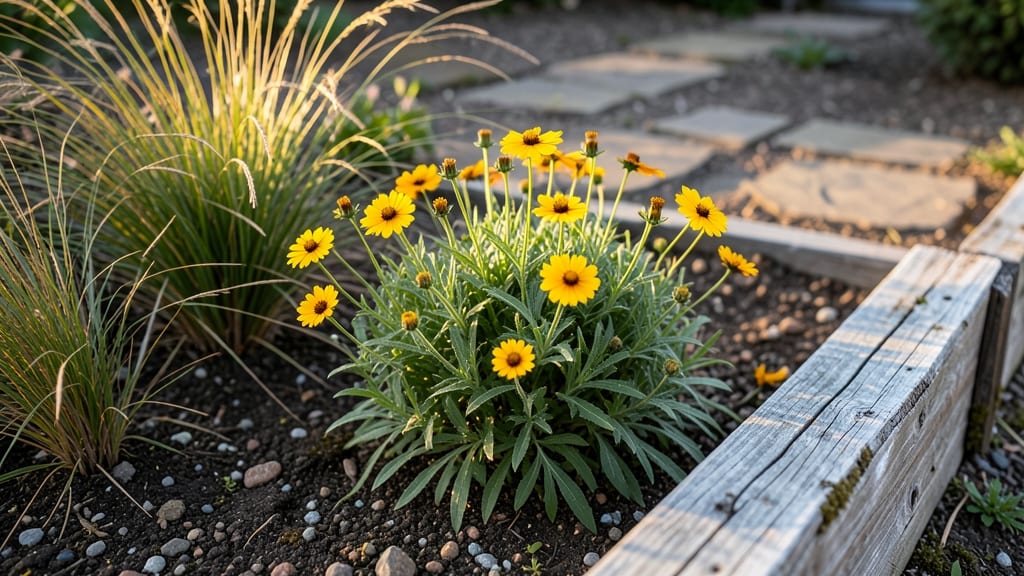
Landscaping with wildflowers transforms your yard into a buzzing, blooming ecosystem that works harder than any manicured lawn. 🌻 I skipped mowing my front yard for two years and watched bees, butterflies, and hummingbirds turn it into their own personal buffet—while I spent less time weeding and more time admiring the show.
The magic starts with choosing the right mix of native wildflowers for your climate, which means skipping the big-box store blends and opting for locally adapted species that thrive with minimal fuss.
A 3-season display requires strategic layering: early bloomers like lupine, mid-season stars like black-eyed Susan, and late-season holdouts like goldenrod keep color going from spring through frost. Even a small patch—just 50 square feet—creates measurable impact for pollinators.
By summer’s end, you’ll have a landscape that’s lush without being labor-intensive, supports biodiversity, and cuts water use by up to 70% compared to traditional lawns.
The key is embracing the "wild" look—no more perfect rows, just vibrant drifts of color that move with the wind. Let’s get your pollinator paradise started.
Whether you’re converting a sunbaked slope, lining a driveway, or filling containers on your patio, wildflowers adapt beautifully to any space. The real reward? A garden that thrives on neglect and gives back tenfold to the local ecosystem—no green thumb required, just a willingness to let nature take the lead.
📚 In This Guide
- What you need
- Instructions
- Tips and common mistakes
- Wrapping up and next steps
What you need
- ● Wildflower seeds: Choose native, pollinator-friendly varieties (e.g., Echinacea, Milkweed, Black-eyed Susan). Aim for 1–2 lbs per 100 sq ft for full coverage.
- ● Soil: Loose, well-draining topsoil (avoid heavy clay). 1–2 cubic yards for a 100 sq ft area.
- ● Compost: Organic matter to enrich soil (e.g., aged manure or leaf mold). 1–2 inches spread evenly.
- ● Tools: Shovel or spade (for soil prep)
- ● Rake (to level ground)
- ● Garden hose with spray nozzle (for watering)
- ● Gloves (to protect your hands)
- ○ Mulch (optional but recommended): Straw or wood chips to retain moisture. 2–3 inches after planting.
- ● Drip irrigation system: Automates watering (saves time + water!).
- ● Birdhouses or bat boxes: Attracts more wildlife to your garden.
- ● Wildflower seed bombs: Pre-mixed seed balls for easy planting in tough spots.
- ● Native plant guides: Local nurseries can recommend region-specific seeds.
How to design a thriving wildflower meadow in any climate
Here's the approach I've used to transform sunlit patches into buzzing pollinator havens—season after season.
🌱 Step 1: Choose the Right Location and Prepare the Soil
Wildflowers thrive where they're left alone, so pick a spot with full sun—at least 6-8 hours daily. Avoid low-lying areas where water pools, as wildflowers despise soggy roots. I always test soil drainage by digging a 6-inch hole and filling it with water; if it drains within 2 hours, the site is perfect.
Skip tilling—wildflowers love loose, natural soil. Instead, remove existing grass by smothering it with 10-20 sheets of thick cardboard for 4-6 weeks. The cardboard blocks light, killing grass while decomposing into organic matter. Once the area is bare, rake away debris to expose fresh soil. Wildflowers don't need rich soil; they flourish in lean, well-draining conditions.
🌿 Step 2: Select and Plant the Right Wildflower Mix
Choose a pre-mixed wildflower seed blend suited to your region and climate—native varieties ensure pollinators recognize them instantly. I scatter seeds by hand on a calm, dry day when humidity is low, preventing clumping. For a 10×10-foot area, use about 1-2 pounds of seed mix—this ensures dense coverage without overcrowding.
Lightly rake the seeds into the soil with a fine-toothed rake, pressing them just enough to make contact with the earth. Don’t bury them; wildflower seeds need light to germinate. Water gently with a fine mist to settle the seeds into the soil, then let nature take over. Avoid heavy watering, which can wash seeds away or bury them too deep.
☀️ Step 3: Maintain with Minimal Intervention
Wildflowers demand almost no upkeep once established, but the first year is critical. Water deeply once a week during dry spells, ensuring the top 2 inches of soil stay moist—not soggy. You’ll see first sprouts in 2-4 weeks, though some varieties may take longer. Let seedlings grow to 3-4 inches tall before mowing, if necessary, to avoid cutting them down.
After the first year, reduce watering to once every 2-3 weeks unless your area experiences an extended drought. Wildflowers develop deep roots that tap into groundwater, making them incredibly resilient. Avoid fertilizers—wildflowers thrive in poor soil and compete poorly with weeds when given extra nutrients. Instead, let them self-seed and spread naturally.
✂️ Step 4: Prune Strategically to Encourage New Growth
Timing is everything when it comes to pruning. In late summer or early fall, cut back one-third of the plant height with sharp shears to remove spent blooms and encourage a second flush of flowers. This also prevents the meadow from becoming too woody over time. I always prune on a dry, sunny day to reduce the risk of fungal issues.
Leave the cuttings on the ground—they’ll decompose and return nutrients to the soil. In early spring, before new growth appears, trim back any dead or damaged stems to 2-3 inches above the ground. This opens up space for fresh shoots and ensures a vibrant display. Avoid pruning in mid-summer, as this can cut off the food supply for pollinators and delay fall blooms.
Tips & tricks for perfect wildflower meadow landscaping
These game-changing insights will help you create a thriving pollinator haven that blooms beautifully across all three seasons.
Location and Drainage: The 6-8 hours of daily sun requirement is non-negotiable for most wildflower varieties—especially native species that evolved in sunny conditions. I've seen too many well-intentioned meadows fail because they were planted in partial shade. For drainage testing, use a simple trowel and timer rather than guessing—this 2-hour test is your best indicator of whether your site will work. If water remains after 2 hours, consider building a raised bed instead.
Seed Scattering Strategy: The calm, dry day recommendation isn't just about preventing clumping—it's about creating ideal conditions for seed-to-soil contact. I recommend scattering seeds in two perpendicular directions (first north-south, then east-west) for even distribution. For larger areas, mix seeds with sand first to help spread them more evenly without doubling your seed quantity.
Watering Wisdom: Those first 2-4 weeks after planting are critical—this is when most seeds either establish roots or fail completely. I use a gentle rain setting on my hose to maintain consistent moisture without disturbing the seeds. The key is keeping the top 2 inches moist, not soggy, which means watering in the early morning so the soil has time to dry slightly before evening.
Pruning Precision: When you cut back one-third of the plant height in late summer, you're not just cleaning up—you're sending a signal to the plants to put energy into next year's blooms. I always use clean, sharp shears to avoid crushing stems, and I never remove more than one-third at a time. The early spring trim is equally important—this opens up space for new growth and prevents thatch buildup that can smother seedlings.
Pro Tips for Landscaping With Wildflowers
- These game-changing insights will help you create a thriving pollinator haven that blooms beautifully across all three seasons.
- Location and Drainage: The 6-8 hours of daily sun requirement is non-negotiable for most wildflower varieties—especially native species that evolved in sunny conditions.
- Seed Scattering Strategy: The calm, dry day recommendation isn't just about preventing clumping—it's about creating ideal conditions for seed-to-soil contact.
Frequently asked questions
Got questions about transforming your yard into a buzzing wildflower haven? You’re not alone! Here are some of the most common questions—and answers—to help you dive in with confidence.
How do I prepare my soil for wildflower seeds?
Wildflowers thrive in poor soil—they’re tough little survivors! Lightly rake or till the area to break up compacted soil, then remove weeds. Avoid heavy fertilization; wildflowers prefer lean conditions. A thin layer of compost (¼ inch) is optional but helps with moisture retention. Pro tip: Test your soil’s pH—most wildflowers do best in neutral to slightly acidic soil (6.0–7.5).
When is the best time to plant wildflower seeds?
Timing is key! Plant in early fall (September–October) for a head start—cool temps and winter rains help seeds germinate. Spring (March–April) is the second-best window. Avoid planting in summer heat, as seeds may dry out before sprouting. Native wildflowers often have specific peak bloom times, so check your region’s growing season.
Will wildflowers attract pests like mosquitoes?
Not usually! Wildflowers attract pollinators (bees, butterflies, hummingbirds), but mosquitoes thrive in stagnant water. To deter pests, avoid overwatering and keep standing water (like saucers under pots) drained. Choose native, non-invasive species—they’re less likely to harbor pests than exotic plants. Plus, a diverse wildflower mix supports beneficial predators that reduce pests naturally!
Are wildflowers cheaper than traditional lawns?
Wildflower seeds cost $0.50–$2 per square foot (vs. $0.75–$2 for turfgrass). They require far less water, mowing, and maintenance. Over 3 years, you’ll save hundreds on labor and resources. Bonus: Once established, wildflowers spread on their own, reducing replanting costs. Check local nurseries or online for bulk seed deals!
What if my wildflowers don’t grow?
Don’t panic—wildflowers are resilient! First, check seed viability (store seeds in a cool, dry place). Ensure seeds are fresh (1–2 years old max). Poor germination can also stem from too much shade, overwatering, or compacted soil. Try stratification (mimicking winter) for stubborn seeds: mix seeds with damp sand, refrigerate for 4–6 weeks, then plant. Patience is key—some species take 2–3 years to fully bloom!
Wrapping up and next steps
Transforming your outdoor space into a pollinator paradise with wildflowers isn’t just rewarding—it’s a gift to nature! 🌸 By embracing seasonal blooms, you’ve created a vibrant, low-maintenance haven that supports bees, butterflies, and birds while adding beauty to your home.
Whether you’re a beginner or a seasoned gardener, every wildflower planted makes a difference.
Ready to take the next step? Start small—choose a sunny patch or a corner of your yard and let the wildflowers do the work! Over time, expand your garden, share seeds with neighbors, or even join local conservation efforts. Your green thumb (and the pollinators!) will thank you.