
Pests
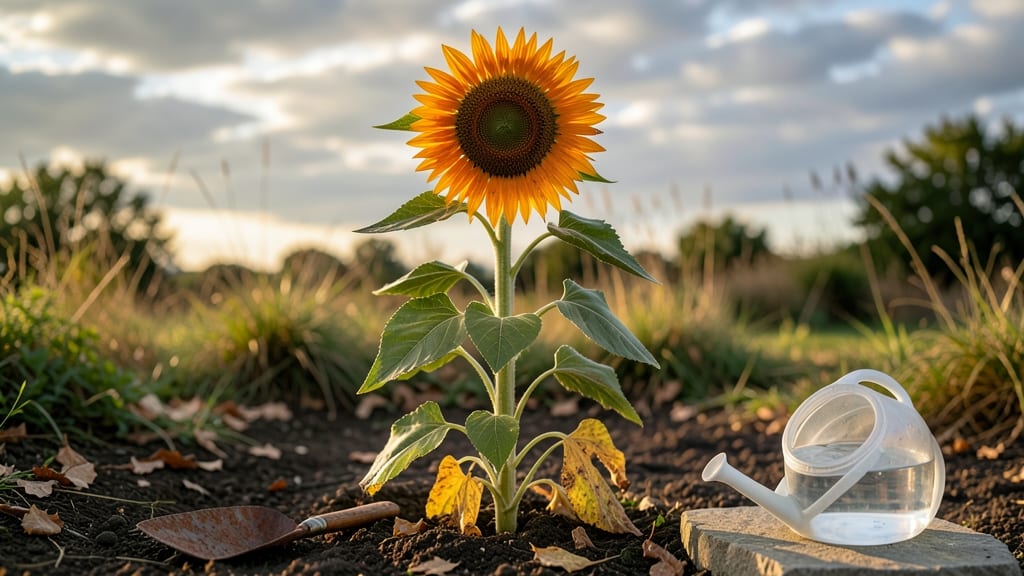
Growing Mexican orange sunflowers means adding bold color and natural pest control to your garden in one fell swoop. 🌻 These fiery orange blooms aren't just stunning—they release a citrusy scent that confuses pests like aphids and whiteflies, giving your plants a built-in shield.
I planted mine last spring and haven't seen a single pest problem since.
The secret to their success lies in their low-maintenance nature. They thrive in poor soil, need full sun, and handle drought like champs—perfect for forgetful gardeners or dry climates.
Start with seeds in warm soil after the last frost, and watch them grow into towering, bushy plants that attract pollinators while keeping pests at bay.
By midsummer, you'll have 3-5 foot tall plants bursting with vibrant blooms that last for weeks. The scent alone makes them worth growing, but their ability to repel pests naturally is the real game-changer. Plus, they self-seed easily, so you'll have new plants popping up year after year.
Whether you're a beginner or a seasoned gardener, these sunflowers are a no-brainer addition. They bring color, fragrance, and pest control to your garden with almost no effort—just plant, water occasionally, and enjoy the show. Let's get those seeds in the ground!
📚 In This Guide
- What you need
- Instructions
- Tips and common mistakes
- Wrapping up and next steps
What you need
- ● Seeds: 5–10 Mexican Orange Sunflower seeds (choose organic or heirloom if possible).
- ● Containers or garden bed: For containers: 5–10 gallon pots (with drainage holes) or fabric grow bags.
- ● For in-ground planting: A sunny spot with well-draining soil (full sun, 6+ hours/day).
- ● Potting mix: 1–2 bags of high-quality, well-draining soil (add perlite or sand for extra drainage).
- ● Watering can or hose: With a gentle spray nozzle for seedlings.
- ○ Fertilizer (optional but helpful): Balanced granular fertilizer (10-10-10) or compost (1 cup per plant at planting).
- ● Slow-release organic fertilizer (e.g., worm castings or fish emulsion) for ongoing growth.
- ● Seed-starting kit: If sowing indoors (heat mat or seedling tray).
- ● Mulch: Straw or wood chips to retain moisture and suppress weeds.
- ● Plant markers: To label your sunflowers (they grow fast!).
- ● Pruning shears: For shaping or harvesting flowers.
- ● Natural pest deterrents: Neem oil or insecticidal soap (just in case!).
Step-by-Step instructions for cultivating Mexican orange sunflowers
Here's how I grow these vibrant, pest-repelling beauties—each step ensures strong stems and fragrant blooms.
🌱 Step 1: Select and Prepare Your Planting Site
Mexican orange sunflowers thrive in full sun with at least 6 hours of direct light daily. Choose a spot with well-draining soil—they hate soggy roots. If your soil is heavy clay, mix in 2-3 inches of compost to improve aeration. I test drainage by digging a small hole, filling it with water, and watching how quickly it drains. If it takes longer than 30 minutes, amend the soil further.
These sunflowers grow 3-5 feet tall, so space them 18-24 inches apart in rows 2 feet apart. If planting in containers, use pots at least 12 inches deep with drainage holes. The key is giving them room to develop their striking, citrus-scented blooms without competing for nutrients.
🌿 Step 2: Start Seeds Indoors or Direct-Sow After Frost
For a head start, sow seeds indoors 6-8 weeks before your last frost date in biodegradable pots. Press 1 seed per cell, ¼ inch deep, and keep the soil consistently moist at 70-75°F. Germination takes 7-14 days—watch for the first true leaves to appear before transplanting. If direct-sowing, wait until soil temperatures reach 60°F and all frost risk has passed.
I always harden off seedlings by placing them outdoors in a shaded spot for 2-3 hours daily over 5-7 days before transplanting. This toughens their stems so they don’t snap when exposed to wind. Handle seedlings gently by their leaves, never the delicate stems, to avoid damage.
☀️ Step 3: Plant and Provide Consistent Care
Transplant seedlings or direct-sown plants into the prepared soil, burying them to the same depth they were growing before. Water deeply at planting to settle the soil and encourage root growth. After that, water once weekly unless rainfall provides 1 inch of moisture. Overwatering leads to root rot, so always check the top 2 inches of soil—if it’s dry, it’s time to water.
Feed plants with a balanced 10-10-10 fertilizer every 4-6 weeks to promote strong, citrus-scented blooms. I skip fertilizer if the soil is already rich in compost. Deadhead spent blooms by snipping them off at the base to encourage more flowers. This also prevents the plant from putting energy into seed production too early.
✂️ Step 4: Support and Maintain for Pest Resistance
These sunflowers benefit from light staking—insert 3-foot stakes at planting and tie the main stem loosely with soft gardening twine as it grows. The fragrant blooms naturally repel pests like aphids and spider mites, but I still monitor for early signs of trouble, like yellowing leaves or sticky residue on stems.
Watch for powdery mildew in humid climates—it appears as a white, dusty coating on leaves. If you see it, remove affected leaves immediately and improve airflow by spacing plants further apart. The citrus scent is their built-in defense, but proper spacing keeps foliage dry and healthy.
Tips & tricks for cultivating Mexican orange sunflowers
Here's what I've learned after years of growing these fragrant, pest-repelling sunflowers—simple secrets that make all the difference.
Soil Preparation Insight: The drainage test in Step 1 is non-negotiable. I've ruined plants by ignoring this—if water pools after 30 minutes, mix in more sand or perlite until you achieve that quick-drainage goal. These sunflowers despise soggy feet! For containers, ensure those drainage holes are large enough to prevent clogging with soil particles.
Seedling Hardening Strategy: Never rush the 2-3 hour daily hardening process in Step 2. I learned this the hard way when my seedlings wilted dramatically after transplanting. Start with just 1 hour on day one, then gradually increase. The goal is to toughen stems over 5-7 days—don't skip this gradual exposure to wind and sunlight.
Watering Wisdom: That weekly watering guideline in Step 3 assumes average rainfall. In my dry climate, I check soil moisture every 3-4 days instead. The top 2 inches test is foolproof—if it's dry, water deeply until it runs out the drainage holes. Overwatering is the #1 killer of these sunflowers, so always err on the side of less frequent, deeper watering.
Pest Prevention Pro Tip: The citrus scent is their built-in defense, but I've found adding a thin layer of mulch around the base prevents soil-borne pests from reaching stems. Plus, it helps retain moisture between waterings. Just keep mulch 2-3 inches away from the main stem to prevent rot.
Pro Tips for Mexican Orange Sunflower
- Here's what I've learned after years of growing these fragrant, pest-repelling sunflowers—simple secrets that make all the difference.
- Soil Preparation Insight: The drainage test in Step 1 is non-negotiable.
- Seedling Hardening Strategy: Never rush the 2-3 hour daily hardening process in Step 2.
Frequently asked questions
about the vibrant Mexican Orange Sunflower (Tithonia rotundifolia)—your go-to pest-repelling, citrus-scented beauty! Here are answers to common queries to help you grow with confidence.How fast does the Mexican Orange Sunflower grow?
This tropical stunner grows fast—expect 1–2 feet (30–60 cm) per month in warm climates! With consistent water and full sun, you’ll see bold blooms in as little as 6–8 weeks from seed. Just be ready for its woody stems—they can reach 6+ feet (2+ meters) tall!
Does it really repel pests naturally?
Its citrusy scent deters aphids, whiteflies, and even some beetles. Plant it near veggies like tomatoes or peppers to boost organic pest control. Bonus: Butterflies and bees love its nectar-rich flowers!
Can I grow Mexican Orange Sunflower in cold climates?
Not outdoors long-term—it’s a tender perennial (dies in frost). Try growing it as an annual in pots and bring it indoors before winter ( 50°F/10°C+). Or plant it in spring/summer for a seasonal pest-fighting powerhouse!
What’s the best alternative if I can’t find seeds?
Try these citrus-scented, pest-repelling plants:
- Lemon Verbena (herbaceous, fragrant leaves)
- Citronella Grass (mosquito-repelling, tropical)
- Marigolds (edible, bright blooms, deters nematodes)
Why are my sunflower leaves turning yellow?
Yellowing leaves often mean overwatering or nutrient deficiency. Check soil moisture—it prefers well-draining dirt. Feed with a balanced fertilizer (10-10-10) every 4–6 weeks. If spots appear, it could be fungal disease—prune affected areas and improve airflow!
Wrapping up and next steps
The Mexican orange sunflower isn’t just a stunning addition to your garden—it’s a practical one, too! With its vibrant blooms, pest-repelling properties, and low-maintenance care, it’s the perfect choice for both beauty and function.
Whether you’re a seasoned gardener or just starting out, this sunflower brings color, fragrance, and natural pest control to your outdoor space.
Ready to grow your own? Start by gathering your supplies, choosing the right spot, and planting with confidence. Your garden—and its visitors—will thank you! 🌻✨