
Shrubs
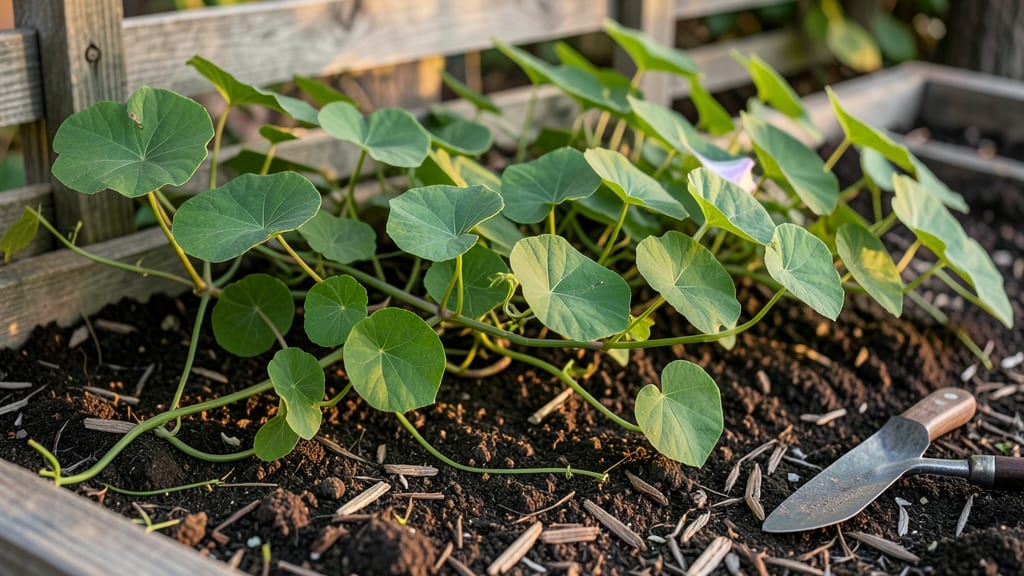
The not flowering morning glory vines that refuse to bloom can feel like a cruel joke—all that lush foliage for nothing. 🌿 I’ve had my share of leafy but flowerless vines, and the fix usually boils down to three overlooked factors: sunlight, pruning. and nutrients.
The good news? Each one is easier to correct than you’d think.
Most morning glories need 6-8 hours of direct sunlight daily—if yours is in shade, move it or trim nearby trees. Over-pruning in early spring can also stunt blooms, while nutrient imbalances (too much nitrogen, too little phosphorus) send energy to leaves instead of flowers.
A balanced 10-10-10 fertilizer applied mid-season often does the trick.
Within 2-3 weeks of adjusting care, you’ll spot those signature trumpet-shaped blooms emerging. The vines will climb faster, leaves stay vibrant, and you’ll finally get the daily parade of blue, purple, or pink flowers you planted for. Here’s how to diagnose and fix each issue step by step.
Works for both annual vines and perennial varieties—just adjust timing for your climate. Let’s get those blooms back where they belong!
📚 In This Guide
- What you need
- Instructions
- Tips and common mistakes
- Wrapping up and next steps
What you need
- ● Morning glory vines: Healthy, established plants (preferably mature, 1–2 years old) with no visible pests or disease.
- ○ Balanced fertilizer (10-10-10 or 20-20-20): 1–2 tablespoons per plant (or follow label instructions). Optional: Slow-release granules for convenience.
- ● Phosphorus-rich fertilizer (e.g., bone meal or 5-10-10): 1 tablespoon per plant to encourage blooming.
- ● Pruning shears: Clean, sharp pair (sterilize with rubbing alcohol if reusing).
- ● Gloves: Gardening gloves to protect hands from thorns or sap.
- ● Watering can or hose: With a gentle spray nozzle for hydration checks.
- ○ pH test kit (optional but helpful): To check soil acidity (ideal range: 6.0–7.0).
- ○ Mulch (optional): Organic mulch (e.g., straw or shredded leaves) to retain moisture and regulate soil temp.
- ● Magnifying glass: To inspect leaves for pests (e.g., spider mites, aphids) or disease spots.
- ● Notebook & pen: To track sunlight hours, watering schedule, and fertilizer dates.
- ○ Sunlight meter (optional): To confirm if your plants are getting 6+ hours of direct sunlight daily.
- ● ✅ Patience: Morning glories may take 2–4 weeks to respond to changes.
- ● ✅ Consistency: Commit to daily checks (sunlight, water, pests) for at least 30 days.
- ● ✅ Safety first: Wear gloves if your vines have thorns (e.g., Ipomoea purpurea varieties).
How to fix non-flowering morning glory vines
Here’s how I diagnose and revive morning glories that refuse to bloom.
🌱 Step 1: Check Light Exposure and Adjust Immediately
Morning glories need full sun—at least 6-8 hours daily—to trigger flowering. If your vines are growing lush foliage but no blooms, they’re likely starved for light. I’ve seen this happen when plants are tucked behind taller neighbors or in dappled shade. Move your vines to a south-facing wall or trellis where they’ll get direct sunlight from morning through afternoon.
Watch for pale, elongated stems—a classic sign of light deprivation. Once relocated, you should see darker green leaves and thicker stems within 7-10 days. If your space only offers partial shade, opt for varieties like ‘Heavenly Blue’ which tolerate 4-6 hours of sun but still produce flowers, just fewer.
☀️ Step 2: Verify Soil and Nutrient Balance
Overly rich soil packed with nitrogen produces leafy growth but stifles flowers. Morning glories thrive in well-draining, moderately fertile soil with a pH between 6.0 and 7.0. If your vines are growing like jungle vines, they’re getting too much nitrogen. Switch to a balanced 10-10-10 fertilizer or one low in nitrogen (like 5-10-10) and apply it every 4-6 weeks during the growing season.
Here’s the trick: stop fertilizing after mid-summer. Morning glories set flower buds in late summer, and excess nutrients at that stage can delay or prevent blooming. Instead, focus on regular watering—keep soil evenly moist but not soggy. You’ll know you’ve got it right when the soil feels like a wrung-out sponge at the top inch.
✂️ Step 3: Prune Strategically to Encourage Blooms
Morning glories flower best when they have strong, unobstructed vines. If your plants are overcrowded or leggy, they’ll divert energy to new growth instead of blooms. Use clean, sharp pruners to trim back overly long vines by one-third, focusing on the tips of the oldest growth. This redirects energy to lateral shoots, which produce more flowers.
Don’t skip deadheading—remove faded blooms immediately to prevent seed formation, which saps energy. I also pinch off any weak or diseased stems at the base. Within 2-3 weeks, you should see new flower buds forming along the remaining vines. If your vines are still sparse, consider replanting—morning glories reseed easily, and crowded roots compete for resources.
Tips & tricks for reviving non-flowering morning glory vines
Took me years to figure out why my morning glories kept producing leaves but no flowers—here’s what actually works.
Light Exposure Insight: If your vines are growing like jungle vines but refusing to bloom, check their location first. Morning glories need direct sunlight for 6-8 hours daily—that means no dappled shade or afternoon filtering. I’ve seen vines in partial shade produce flowers, but they’re sparse and short-lived. For best results, relocate to a south-facing position where they get morning sun through early afternoon. If you can’t move them, consider shade-tolerant varieties like 'Heavenly Blue' which handle 4-6 hours of sun but still reward you with blooms.
Soil and Fertilizer Strategy: The biggest mistake I made was over-fertilizing. Morning glories thrive in moderately fertile soil with a pH of 6.0-7.0, but too much nitrogen (especially after mid-summer) sends all their energy into leaf production. Here’s the trick: switch to a balanced 10-10-10 fertilizer and apply it every 4-6 weeks during spring and early summer. After mid-summer, stop completely—this is when they set flower buds. Instead, focus on even moisture—soil should feel like a wrung-out sponge at the top inch.
Pruning Technique: Don’t just trim randomly—morning glories respond best to strategic pruning. When you see overly long vines (especially the oldest growth), cut them back by one-third using clean pruners. This redirects energy to lateral shoots where flowers form. Also, deadhead immediately after blooms fade to prevent seed formation, which saps energy. I’ve noticed new buds appear within 2-3 weeks after proper pruning, even on established vines.
Seasonal Timing: Morning glories have a natural bloom cycle—most produce flowers in late summer to early fall. If you’re not seeing blooms by mid-summer, it’s likely a light or nutrient issue. But if you’ve addressed those and still no flowers, consider that some varieties bloom more reliably in specific climates. In cooler regions, morning glories may wait until late summer heat triggers flowering. Patience is key—once they start, they’ll often bloom prolifically for weeks.
Pro Tips for Morning Glory Not Flowering
- Took me years to figure out why my morning glories kept producing leaves but no flowers—here’s what actually works.
- Light Exposure Insight: If your vines are growing like jungle vines but refusing to bloom, check their location first.
- Soil and Fertilizer Strategy: The biggest mistake I made was over-fertilizing.
Frequently asked questions
Got questions about why your morning glories aren’t blooming? You’re not alone—these vines can be finicky! Here are the most common concerns and quick fixes to get those stunning flowers back in action.
Why won’t my morning glory plant flower?
Morning glories need specific triggers to bloom, like 12+ hours of daylight and cool nights. If your plant is young, it may not have matured enough (typically 60–90 days). Over-fertilizing with nitrogen (the first number on the bag) can also delay flowers—switch to a balanced or phosphorus-heavy fertilizer (like 5-10-5) to encourage blooms.
How long does it take for morning glories to flower?
Most varieties bloom 60–90 days after planting, but some heirlooms (like ‘Heavenly Blue’) can take up to 120 days. If your plant has healthy green vines but no flowers after 3 months, check for light deprivation, overwatering, or over-pruning. Patience is key—some vines wait until the second year for a big show!
Can morning glories flower indoors?
Indoor morning glories are rarely successful because they need direct sunlight (6+ hours/day) and humidity fluctuations (like outdoor temperature drops at night). If you’re determined, try a sunny windowsill or a grow light, but expect fewer flowers. For best results, grow them outdoors in zones 3–10 or as annuals in cooler climates.
What can I do if my morning glory only has leaves?
Leafy but flowerless? Try these 3 quick fixes:
- Prune aggressively—cut back leggy vines by ⅓ to redirect energy to blooms.
- Adjust fertilizer—stop high-nitrogen feeds and switch to low-nitrogen, high-phosphorus (e.g., bone meal or 10-20-10).
- Mimic seasonal cues—if planted late, give it a cool night (below 60°F) to trigger flowering.
Are there morning glory varieties that flower faster?
Yes! If you want quick blooms, try these early-flowering varieties:
- ‘Star of Bethlehem’ – Blooms in 50–60 days, compact vines.
- ‘Fountain of Heaven’ – Heavy bloomer in 60–75 days, great for trellises.
- ‘Blackie’ (black morning glory) – Striking dark blooms in 70–80 days.
Wrapping up and next steps
Don’t let a lack of blooms dim your morning glory’s charm! 🌸 The key to vibrant flowers lies in proper light, balanced care, and patience—whether it’s adjusting sunlight, pruning wisely, or feeding your vines. With these fixes, your plants will soon climb and bloom like never before.
Ready to see results? Start with one small tweak this week—like moving your pot to sunnier spot or trimming overgrown vines—and watch your garden transform. Happy gardening! 🌱