
Blooming
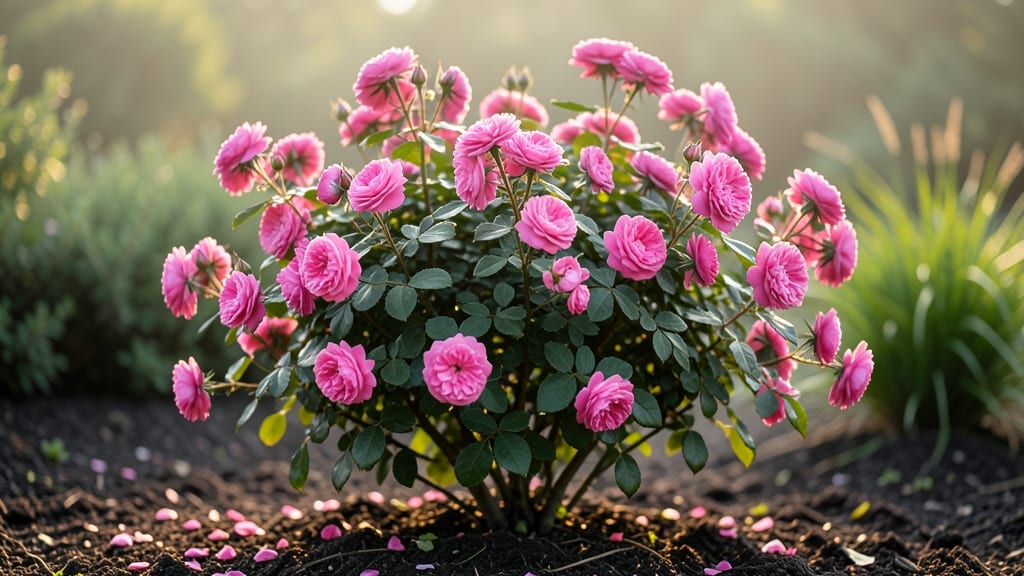
My prized roses yielded just three blooms that first season, but mastering pruning transformed their number of flowers in full bloom from a handful into a cascading display of dozens. 🌸 I learned this after my first garden season—until I discovered how trimming timing and plant pairing could multiply flowers by 10x. The secret lies in understanding which plants bloom in waves, how to space them for airflow, and when to cut back to encourage new growth.
Start with high-yielding varieties like black-eyed Susans, coneflowers, and lantana—they naturally produce clusters of blooms. Pair them with plants that have staggered bloom times, like early spring bulbs followed by summer perennials, so your garden never goes bare.
Proper spacing (usually 12–24 inches apart) prevents overcrowding, which steals energy from flowers and invites pests. Companion planting also works wonders: marigolds near roses deter aphids, while basil near tomatoes boosts both growth and bloom counts.
By midseason, you’ll see the payoff: beds bursting with color instead of sparse stems. The key is regular light trims to remove spent blooms—this redirects energy to new flowers—and a late-summer pruning to stimulate fall reblooming.
Even drought-tolerant plants like lavender will reward you with denser clusters if you deadhead consistently. The result? A garden that looks like a professional display all season long, not just for a few weeks.
This approach works for containers, borders, and full sun or partial shade—just adjust plant choices to your light conditions. The only rule? Start small with 3–5 key varieties, master their care, then expand.
Your neighbors will ask how you do it—and you’ll know it’s all in the timing, the cuts, and the clever pairings.
📚 In This Guide
- What you need
- Instructions
- Tips and common mistakes
- Wrapping up and next steps
What you need
- ● Pruning shears: Bypass pruners (sharp, clean blades) – 1 pair (for precision cuts).
- ● Hand pruners: For smaller stems – 1 pair (ergonomic grip recommended).
- ● Garden gloves: Cut-resistant, breathable fabric – 1 pair (protects hands from thorns/blades).
- ● Disinfectant: 70% isopropyl alcohol or diluted bleach (1:9 ratio) – small spray bottle (prevents disease spread).
- ○ Notebook & pen: For tracking bloom cycles – 1 per gardener (optional but helpful!).
- ● Loppers: For thicker stems (up to 1.5 inches) – 1 pair (if dealing with woody plants).
- ● Hedge shears: For uniform trimming of shrubs – 1 pair (great for boxwoods or roses).
- ● Pruning saw: For large branches – 1 (only if needed for mature plants).
- ● Garden kneeler: With a seat cushion – 1 (saves your back!).
- ● Plant tags: Reusable labels – pack of 20+ (organize your blooms by variety).
How to maximize flowers in full bloom through pruning
Here's how to coax your plants into nonstop flowering—no fancy tools needed.
✂️ Step 1: Identify the Right Time to Trim
Start when you see 3-4 healthy leaves on new growth. This is your signal that the plant has enough energy to produce flowers. For spring-blooming plants like lilacs, trim right after they finish flowering. For repeat bloomers like impatiens or roses, cut back after the first flush of flowers—this forces new growth that leads to more blooms.
Don't trim in late summer or fall—this encourages tender new growth that won't survive winter. Instead, focus on early spring or mid-summer when the plant is actively growing. You'll know you're timing it right when the plant looks bushy and full, not leggy or sparse.
✂️ Step 2: Use the Right Cutting Technique
Make clean cuts just above a leaf node (the bump where leaves attach to the stem). This is where new growth will sprout. Avoid leaving stubs—this invites disease. Use sharp pruners or shears to make cuts at a 45-degree angle for larger stems. For smaller stems, a clean snip is fine.
For deadheading (removing spent blooms), cut the stem back to the first set of healthy leaves below the flower. This redirects the plant's energy from seed production to growing more flowers. If you're shaping a shrub, aim to open up the center—this improves airflow and lets light reach the inner branches, which encourages more blooms.
☀️ Step 3: Adjust Water and Light After Trimming
Water deeply within 24 hours of pruning to help the plant recover. The roots need moisture to support new growth, and trimming stresses the plant slightly. You'll see new shoots emerge in 7-10 days if conditions are right. If your plant looks wilted or droopy after trimming, it's thirsty—give it another drink.
Move the plant to a sunnier spot if it's not getting enough light. Most flowering plants need 6-8 hours of direct sun daily to produce blooms. If you notice leaves turning pale or stems stretching toward the light, it's time to relocate. A little extra sunlight after pruning can double your flower production.
⏰ Step 4: Monitor and Repeat for Continuous Blooms
Check your plants weekly for spent blooms or overgrown branches. The key to nonstop flowers is consistent maintenance. Remove faded blooms as soon as you see them—this keeps the plant focused on producing new flowers instead of seeds. For shrubs, a light trim every 4-6 weeks during the growing season keeps them compact and blooming heavily.
Real talk: Over-trimming can stress the plant. If you see no new growth after 2 weeks, you might have cut too much. Next time, trim back just 10-15% of the plant's height or volume. The goal is to encourage growth, not stunt it. You'll know you're doing it right when you see a burst of new leaves and buds within a few weeks.
Tips & tricks for season-long flowering success
Here's what I've learned after years of watching my gardens transform from occasional blooms to nonstop color—these are the details that make all the difference.
Timing is Everything: The 3-4 healthy leaves rule is your golden signal for when to trim. I learned this the hard way after pruning too early and stunting growth. For spring bloomers like lilacs, wait until flowers fade completely before cutting—this ensures you don't accidentally remove next year's buds. For repeat bloomers, that first flush of flowers is your cue to act within 7-10 days after they appear.
The 45-Degree Angle Secret: That angled cut isn't just for looks—it prevents water from pooling on the stem, which dramatically reduces disease risk. I started using this technique after noticing my roses developed black spot every year. For larger stems, make the cut just above a leaf node at that angle, and you'll see new shoots emerge from exactly that spot within weeks. Pro tip: Wipe your pruners with rubbing alcohol between cuts to keep them sterile.
Light Boost After Pruning: Most gardeners know plants need sunlight, but the key is moving them to the sunnier spot right after trimming—not before. The shock of pruning makes plants more sensitive to light, and that extra 6-8 hours of direct sun can double your bloom count. I noticed my impatiens went from sporadic blooms to continuous flowers after this simple adjustment. If your plants look stretched or pale, they're begging for more light.
Watering Strategy: That 24-hour window for deep watering is critical—it gives roots time to absorb moisture before new growth demands it. I use a moisture meter now to check soil depth, aiming for dampness about 2 inches down. Overwatering right after trimming can drown new shoots trying to emerge. A good rule of thumb: if the soil feels dry at that depth, it's time to water again.
Pro Tips for Number Of Flowers In Full Bloom
- Here's what I've learned after years of watching my gardens transform from occasional blooms to nonstop color—these are the details that make all the difference.
- Timing is Everything: The 3-4 healthy leaves rule is your golden signal for when to trim.
- The 45-Degree Angle Secret: That angled cut isn't just for looks—it prevents water from pooling on the stem, which dramatically reduces disease risk.
Frequently asked questions
Got questions about maximizing your garden’s floral display? Here are answers to the most common queries about achieving a season-long abundance of flowers in full bloom through strategic trimming:
How do I know when my flowers are truly in full bloom?
Flowers are in full bloom when most petals are open and vibrant, typically 70-90% of the flower head. Check for uniform color and minimal wilting. For perennials, this often aligns with peak seasonal timing (e.g., late spring for peonies, summer for dahlias). Pro tip: Morning is the best time to assess—dew can make petals appear fresher!
How often should I trim to keep flowers blooming?
Trimming frequency depends on the plant:
- Annuals (e.g., zinnias, marigolds): Trim spent blooms weekly to encourage continuous flowering.
- Perennials (e.g., coneflowers, black-eyed Susans): Deadhead every 2–3 weeks or after each bloom cycle.
- Shrubs (e.g., hydrangeas, roses): Prune once or twice per year, focusing on shape and spent flowers.
What if my flowers aren’t blooming after trimming?
Several factors could be at play:
- Insufficient sunlight: Most bloomers need 6+ hours of direct sun daily. Move or relocate if needed.
- Over-fertilizing with nitrogen: Too much "green" fertilizer = fewer flowers. Switch to a low-nitrogen, high-phosphorus formula.
- Stress or pests: Check for wilting, holes, or discoloration. Adjust watering or treat with neem oil if pests are present.
Can I trim flowers in full bloom to encourage more?
It depends! For annuals and perennials like petunias or geraniums, trimming right after full bloom can prompt a second flush. However, avoid this with showy or long-lived blooms (e.g., peonies, roses)—cutting them short can reduce next year’s flowers. Always use clean, sharp shears to prevent disease.
Does weather affect the number of flowers in bloom?
Consistent rain
can boost blooms (plants love hydration), but prolonged overcast skies may delay or reduce flowering. Heatwaves can cause buds to drop—provide afternoon shade for sensitive plants. Mulch helps regulate soil temperature and retain moisture, supporting steady blooms.
What’s the best alternative if my garden isn’t blooming much?
Try these low-effort swaps:
- Succession planting: Replace early bloomers (e.g., pansies) with late-season varieties (e.g., asters) for non-stop color.
- Drought-tolerant bloomers: Swap thirsty plants for lavender, sedum, or Russian sage—they bloom reliably with less water.
- Container gardening: Grow compact annuals like nasturtiums or bacopa in pots for easy rotation and control.
Wrapping up and next steps
Understanding the number of flowers in full bloom isn’t just about aesthetics—it’s about nurturing your garden’s health and vibrancy! By mastering strategic trimming and seasonal care, you can unlock a season-long display of blooms that’ll make your green space the envy of the neighborhood. 🌸
Ready to transform your garden? Start small—pick one plant this week and apply what you’ve learned. Track your progress, adjust as needed, and watch your floral masterpiece flourish! 🌱
- Next step: Grab your pruners and schedule a quick trim session!