
Flowers
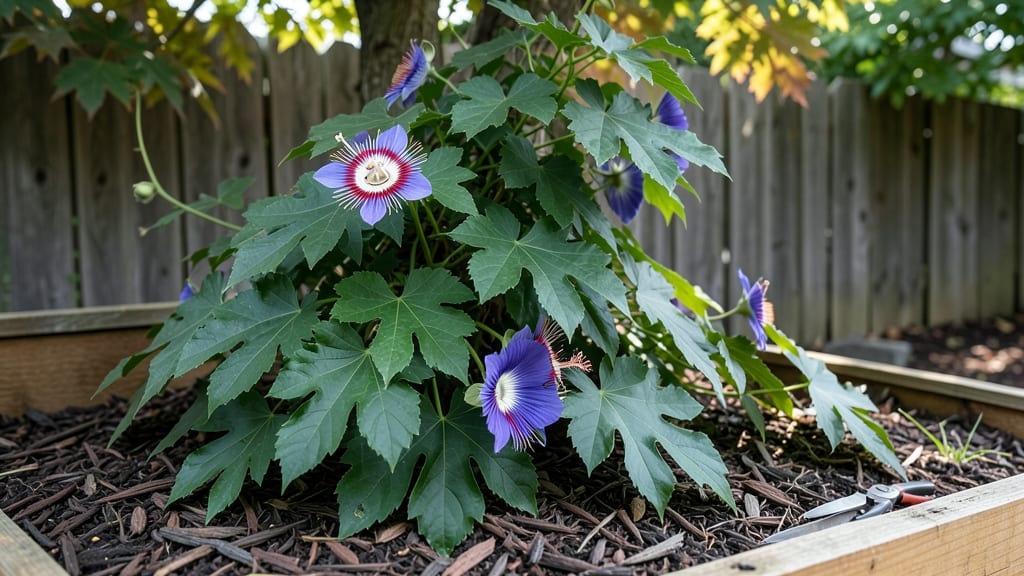
The passiflora Passion Flower 'Lady Margaret' transforms your small space into a tropical jewel—its delicate lavender blooms and compact size make it the perfect choice for balconies, containers, or sunny corners. 🌿 I’ve nurtured this variety for years, and it never fails to impress with its hardiness and stunning floral displays, even in partial shade where other passion flowers struggle.
The secret to its success lies in well-draining soil, bright indirect light, and a 5-gallon container for root space—no sprawling vines required. This dwarf variety thrives in zones 8-11 but can be overwintered indoors with minimal fuss.
The key is keeping it consistently moist (but not soggy) and feeding it lightly with a balanced fertilizer every 4-6 weeks during bloom season.
By midsummer, you’ll be rewarded with dozens of fragrant, 3-inch blooms that attract hummingbirds and butterflies while adding a touch of old-world elegance to your space. Pruning after flowering keeps it tidy, and its disease resistance means fewer headaches than most passion flowers.
The only real challenge? Watching for spider mites in dry heat, but a quick spray of water usually sends them packing.
Perfect for urban gardeners, patio lovers, or anyone who wants drama without the commitment of a full-size climber. Let’s get your 'Lady Margaret' thriving—your small space will thank you!
📚 In This Guide
- What you need
- Instructions
- Tips and common mistakes
- Wrapping up and next steps
What you need
- ● Seeds or Nursery Plant: 1-2 Passiflora 'Lady Margaret' (dwarf variety, 3-5 ft mature height). Opt for organic or heirloom seeds if sourcing yourself.
- ● Well-Draining Potting Mix: 5-10 gallons (depending on container size). Use a blend of: 60% premium cactus/succulent mix
- ● 30% perlite or pumice
- ● 10% compost or worm castings
- ● Containers: Minimum: 12-inch diameter pot with drainage holes (for 1 plant).
- ● Ideal: 18-inch pot or hanging basket (for airy root growth and display).
- ● Support Structure: 1-2 bamboo stakes or a small trellis (3-4 ft tall) to guide vining growth.
- ● Pruning Shears: Small, sharp pair for trimming and shaping.
- ● Watering Can or Hose with Gentle Nozzle: For even moisture without disturbing roots.
- ● Slow-Release Fertilizer: Balanced 10-10-10 or organic options like fish emulsion (apply every 6-8 weeks).
- ● Mulch: Pine bark or coconut coir to retain moisture and regulate soil temp.
- ● pH Test Kit: To monitor soil acidity (ideal range: 6.0-7.5 for Lady Margaret).
- ● Grow Lights (LED, full spectrum): If indoors, 12-14 hours of light daily during winter.
- ● Decorative Accents: Miniature garden flags, fairy lights, or a cute watering globe for charm!
Step-by-step guide for growing passion flower 'Lady Margaret' in small spaces
Here's how to coax this stunning dwarf passiflora into thriving vines with minimal fuss.
🌱 Step 1: Select and Prepare the Perfect Container
Choose a 5-gallon container with drainage holes—'Lady Margaret' thrives in confined spaces but needs room for roots to breathe. I recommend terracotta for its breathability, though any sturdy pot with 12-14 inches of depth works. The key is ensuring the pot won't tip over when laden with vines.
Fill the bottom third with orchid bark or perlite for drainage. This prevents soggy roots, which 'Lady Margaret' hates. Tap the pot gently to settle the layer before adding your well-draining potting mix. The mix should feel like a damp sponge when squeezed—not wet, not dry.
☀️ Step 2: Plant and Position for Optimal Light
Gently remove your 'Lady Margaret' from its nursery pot and tease the roots outward if they're circling. Place the plant in the center of the container, ensuring the crown sits just above the soil line. This prevents rot—a common killer of young passifloras.
Fill around the roots with the remaining potting mix, pressing lightly to eliminate air pockets. Water thoroughly until it drains from the bottom holes, then place the pot in a location with 6-8 hours of morning sun. Afternoon sun can scorch the delicate foliage, so I always position mine near an east-facing window or under a sheer curtain if using artificial light.
💧 Step 3: Establish a Consistent Watering Routine
'Lady Margaret' prefers its soil to stay evenly moist but never soggy. Water when the top 1-2 inches of soil feel dry to the touch, which typically means every 3-4 days in warm weather. I use a moisture meter for accuracy—it's worth the investment for finicky plants like this.
Here's the thing—passion flowers are drought-tolerant once established, but young plants need consistency. Overwatering causes root rot, while underwatering stresses the plant. I water deeply until it runs from the drainage holes, then empty the saucer to prevent salt buildup. Mulch the surface with 1 inch of orchid bark to retain moisture and regulate temperature.
✂️ Step 4: Prune and Train for Compact Growth
To encourage bushier growth, pinch back the tips of new shoots when they reach 6-8 inches. This triggers branching, which is crucial for 'Lady Margaret's' dwarf habit. I also remove any leggy or yellowing growth immediately—it's a sign of stress or poor light.
Train the vines along a trellis or small obelisk to save space. The plant will naturally climb, but guiding it prevents tangled growth. Prune back one-third of the oldest growth in early spring to rejuvenate the plant. Always use clean, sharp shears to avoid tearing the stems.
🌿 Step 5: Fertilize and Monitor for Blooms
Feed your 'Lady Margaret' with a balanced liquid fertilizer (10-10-10) every 4-6 weeks during the growing season. I halve the recommended dose—passifloras are sensitive to over-fertilizing. Look for new leaves as your signal that the plant is happy and ready for another feeding.
Blooms typically appear in 6-8 weeks under ideal conditions. The flowers are stunning but heavy—support them with a small stake if needed. If you don't see buds by late summer, check your light conditions. 'Lady Margaret' needs bright, indirect light to flower reliably. Adjust the plant's position if growth slows or leaves pale.
Tips & tricks for perfect passion flower 'Lady Margaret' growth
Here's what I learned after nurturing 'Lady Margaret' through multiple growing seasons—these tricks make all the difference for compact, blooming vines.
Container Stability: I discovered the hard way that even sturdy terracotta pots can tip when loaded with vigorous vines. After my first plant toppled during a rainstorm, I started securing containers to a sturdy surface using plant ties or placing them in shallow trays filled with gravel for added weight. This prevents accidents while still allowing drainage.
Light Positioning Strategy: The 6-8 hours of morning sun is non-negotiable, but I've found that rotating the pot quarter-turn every 2 weeks ensures even growth. 'Lady Margaret' naturally grows toward light, and this simple rotation prevents lopsided development. I also use a sheer curtain on south-facing windows to diffuse intense afternoon light that could scorch the delicate leaves.
Pruning Precision: When pinching back those 6-8 inch shoots, I've learned to make the cut just above a leaf node where two leaves meet. This creates a clean wound that heals faster and encourages stronger branching. I always sterilize my shears with rubbing alcohol between cuts to prevent spreading any potential plant diseases—something I wish I'd known earlier when my first plant developed mysterious spots.
Bloom Support System: Those stunning flowers are heavier than they look! I now use small bamboo stakes inserted gently beside emerging buds, tying them loosely with soft plant ties. This prevents the flowers from drooping or breaking their own stems. The stakes also give you a handy way to monitor bud development—when the flowers open, they'll naturally lift away from the stake.
Pro Tips for Passion Flower Lady Margaret Passiflora
- Here's what I learned after nurturing 'Lady Margaret' through multiple growing seasons—these tricks make all the difference for compact, blooming vines.
- Container Stability: I discovered the hard way that even sturdy terracotta pots can tip when loaded with vigorous vines.
- Light Positioning Strategy: The 6-8 hours of morning sun is non-negotiable, but I've found that rotating the pot quarter-turn every 2 weeks ensures even growth.
Frequently asked questions
1. How fast does Passiflora 'Lady Margaret' grow, and how big will it get?
Lady Margaret is a compact dwarf variety, typically reaching 3–5 feet tall and wide with proper pruning. Growth is moderate—expect 1–2 feet per year under ideal conditions (full sun, well-draining soil, and regular watering). Prune in late winter to control size and encourage bushier growth.
2. Can I grow Passiflora 'Lady Margaret' in containers, and what size pot do I need?
This variety thrives in containers, making it perfect for patios, balconies, or small gardens. Use a 10–15 gallon pot with drainage holes and a cactus/succulent mix for optimal root health. Overwinter indoors in a sunny spot if temperatures drop below 20°F (-7°C).
3. When and how should I prune Lady Margaret for best results?
Prune in late winter or early spring before new growth starts. Cut back 1/3 of the plant to shape it and remove dead or weak stems. For continuous blooms, lightly trim after flowering (avoid heavy pruning then). Use sterilized shears to prevent disease.
4. What pests or diseases should I watch for, and how do I treat them?
Common issues include aphids, spider mites, and whiteflies. Treat with neem oil or insecticidal soap for mild infestations. Fungal issues (like powdery mildew) may occur in humid conditions—improve airflow and avoid overhead watering. Remove affected leaves promptly to prevent spread.
5. Why isn’t my Lady Margaret flowering, even though it’s healthy?
Dwarf passionflowers like Lady Margaret need 6+ hours of sunlight daily and well-draining soil to bloom. Lack of flowers often stems from over-fertilizing (too much nitrogen) or insufficient light. Try a balanced bloom booster fertilizer (like 10-10-10) in spring/summer and move to a sunnier spot if needed.
Wrapping up and next steps
Growing the Lady Margaret Passiflora is a rewarding journey that brings a touch of tropical elegance to even the smallest spaces. This dwarf passionflower variety thrives with minimal fuss—just a sunny spot, well-draining soil, and a little patience.
Whether you’re a seasoned gardener or a beginner, its vibrant blooms and compact size make it the perfect addition to balconies, containers, or window boxes.
Now that you’re armed with tips and answers, why not take the next step? 🌱 Start with a single plant, experiment with companion plants, or even share your progress with fellow gardening enthusiasts. Your small space deserves this burst of beauty—go ahead and make it happen!