
Blooming
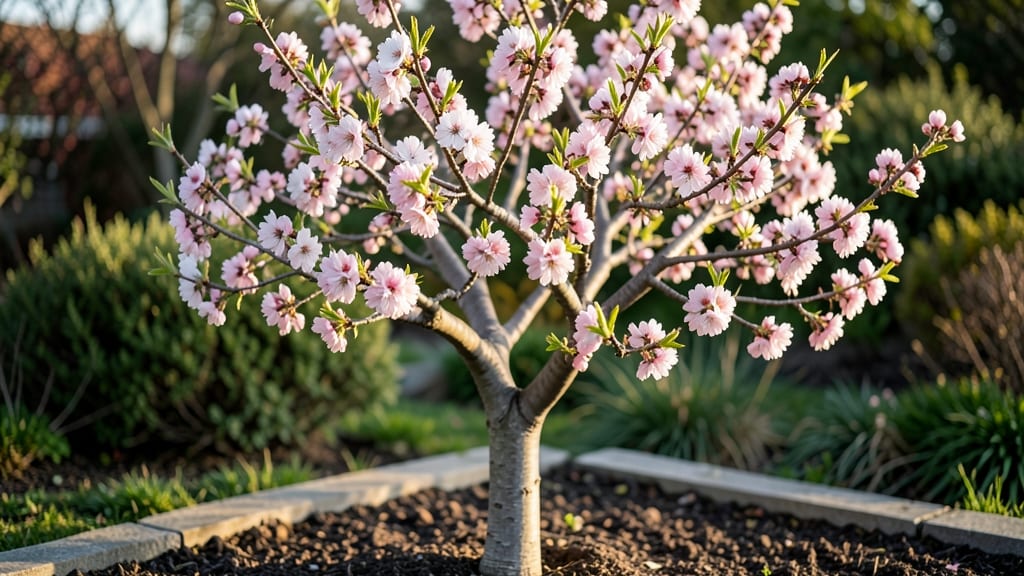
Peach blossom flowers turn spring gardens into dreamy, fragrant canopies that feel like stepping into a Japanese watercolor. 🌸 Their delicate pink petals and intoxicating scent make them the star of any landscape, whether you're creating a romantic cottage garden or a modern minimalist space.
I planted mine near a stone path, and now every stroll feels like a quiet celebration—no other bloom captures that same soft, velvety charm.
The key to showcasing their beauty lies in placement and companions. Pair them with early-blooming bulbs like daffodils or grape hyacinths to extend the season, or let them drift naturally alongside ornamental grasses for a wild, organic feel.
Their airy branches also work beautifully as focal points in containers or as standalone specimens near seating areas. The scent alone—lightly sweet with a hint of almond—transforms any corner into a sensory retreat.
You’ll love how they soften hard edges in modern designs or add rustic warmth to traditional spaces. In late spring, when the petals fade, the new peach foliage emerges lush and green, ensuring your garden stays vibrant long after the blooms fall.
The best part? Their cultural symbolism—peace, renewal, and fleeting beauty—makes them more than just pretty; they’re a living poem in your yard.
For those with limited space, dwarf varieties or container-grown trees work just as well. Just remember: prune lightly in winter to encourage strong blooms, and avoid heavy fertilizers that can reduce flowering. The payoff? A garden that feels like a sanctuary, where every visit brings a whisper of spring’s promise.
📚 In This Guide
- What you need
- Instructions
- Tips and common mistakes
- Wrapping up and next steps
What you need
- ● Peach blossom seeds or bulbs: Choose Prunus persica (peach tree) seeds or dormant bulbs from a trusted nursery. Pro tip: 💡 Opt for organic, non-GMO seeds for healthier blooms!
- ● Well-draining soil: A mix of 60% topsoil, 30% compost, and 10% perlite/sand (1 cubic yard per 100 sq. ft. of garden bed).
- ○ Peach blossom saplings (optional): Young trees (3–5 ft tall) for instant blooms. Select disease-resistant varieties like ‘Elberta’ or ‘Redhaven’.
- ● Garden trowel (for planting seeds/bulbs)
- ● Pruning shears (to shape young trees)
- ● Garden hose with spray nozzle (for gentle watering)
- ● Mulch (straw or wood chips) (2–3 inches thick to retain moisture)
- ● pH test kit (ideal soil pH: 6.0–7.0)
- ● Sunlight: 6+ hours of direct sun daily (peach trees are sun-hungry!)
- ● Climate: USDA Zones 5–9 (peach blossoms thrive in mild winters and warm summers).
- ● Water source: Consistent access to water (drip irrigation works best).
- ● Patience: Seeds take 2–3 years to bloom; saplings may flower in 1–2 years.
- ● Slow-release 10-10-10 fertilizer (apply in early spring)
- ● Bird netting (to protect blossoms from hungry critters!)
- ● Decorative stakes or trellises (for dwarf varieties)
- ● Fragrance-friendly companion plants (lavender, jasmine)
How to cultivate a stunning peach blossom display
Here's how to create that dreamy, fragrant peach blossom canopy—step by step.
🌱 Step 1: Choose the Right Peach Variety for Your Climate
Not all peach trees produce showy blossoms, so pick a variety bred for ornamental value. 'Bonanza' and 'Redhaven' deliver abundant pink flowers, while 'Elberta' offers classic white blooms. Check your hardiness zone—most peach trees thrive in zones 5-9, but some cold-hardy varieties like 'Reliance' extend the range to zone 4.
Here's the thing—you'll want a self-pollinating variety to avoid disappointment. Planting two different varieties nearby can actually increase fruit set, but for pure blossom displays, one well-chosen tree is perfect. I always check the bloom time too—early bloomers like 'Springcrest' put on their best show before leaves fully emerge.
☀️ Step 2: Plant in Full Sun with Well-Draining Soil
Peach blossoms need 6-8 hours of direct sun daily—that's non-negotiable. The more sun, the more abundant and fragrant the flowers will be. Choose a location with afternoon sun exposure if possible, as morning sun helps prevent fungal diseases that can ruin blossoms.
Your soil should drain like a sandy loam—peach trees hate soggy roots. Amend heavy clay with 2-3 inches of compost and consider a slight mound when planting to improve drainage. The root ball should sit 1-2 inches above ground level to prevent water pooling around the trunk.
💧 Step 3: Water Deeply During Blooming Season
Once flowers appear, water deeply 2-3 times per week—that's about 1-1.5 gallons per square foot. Shallow watering stresses the tree and can cause blossoms to drop prematurely. You'll know you've watered enough when the top 6 inches of soil feel moist but not saturated.
Here's where it gets tricky: avoid wetting the blossoms themselves. Water at the base in the early morning so flowers dry quickly—wet blossoms overnight invite fungal infections. If your tree is young, consider installing a drip irrigation system to deliver water precisely where it's needed.
✂️ Step 4: Prune Strategically for Maximum Blooms
Prune in late winter or early spring before buds swell to shape the tree and encourage flowering. Remove any crossing branches and thin out crowded growth to improve air circulation—this prevents diseases that can kill blossoms. Aim to keep the tree open-centered so sunlight reaches all branches.
Don't over-prune—you want to maintain the tree's natural shape while encouraging new growth where blossoms form. I always leave at least ⅓ of last year's growth intact, as many peach blossoms form on older wood. Thin out any suckers growing from the base too—they divert energy from flower production.
🌿 Step 5: Protect Blossoms from Pests and Weather
Watch for peach tree borers and aphids that can defoliate trees and ruin blossoms. Apply horticultural oil in early spring before buds open to smother overwintering pests. If you see Japanese beetles, handpick them early in the morning when they're sluggish.
Cover young trees with frost cloth if late frosts threaten—peach blossoms are particularly sensitive to cold damage. A 30°F frost can kill newly opened flowers, so monitor your local forecast and be ready to act. Even a light frost can reduce fragrance and bloom quantity, so timing matters.
Tips & tricks for perfect peach blossom displays
Took me years to figure out these simple secrets for show-stopping peach blossoms—here's what nobody tells you.
Variety Matters: When selecting your peach tree in Step 1, look for varieties with double blossoms like 'Bonanza' or 'Redhaven'. These produce more petals per flower, creating that lush, romantic canopy you're after. I've found that early bloomers like 'Springcrest' often have more abundant flowers because they bloom before the tree's energy goes into leaf production. Check your local nursery for varieties specifically bred for ornamental value—they'll have more consistent blooming patterns.
Sunlight Strategy: That 6-8 hours of direct sun in Step 2 is non-negotiable, but here's the thing: morning sun helps prevent fungal diseases that can ruin blossoms. If you must plant in a location with only morning sun, choose a spot with at least 4 hours of afternoon sun too. I've noticed that trees with afternoon sun exposure often have more vibrant flower colors and stronger fragrance. Consider using reflective surfaces like light-colored walls or mulch to bounce extra light onto the tree.
Watering Wisdom: During the blooming season in Step 3, those 2-3 deep waterings per week should be timed carefully. The best approach is to water early in the morning when temperatures are coolest. This prevents water from evaporating too quickly and gives blossoms time to dry before nightfall. I've seen blossoms drop prematurely when watered in the evening because the moisture lingers on petals overnight, creating perfect conditions for fungal infections. A simple rain gauge near your tree helps track exactly how much water you're providing.
Pruning Precision: In Step 4, when you're pruning before buds swell, focus on removing branches that grow inward or cross each other. These create dark, moist areas where fungal diseases thrive. I've found that thinning out the canopy by about 20-30% actually increases flower production in the following year. The key is to maintain an open center that lets sunlight reach all branches—this is what triggers those abundant blossoms. Always use clean, sharp pruners to prevent spreading disease between cuts.
Pro Tips for Peach Blossom Flower
- Took me years to figure out these simple secrets for show-stopping peach blossoms—here's what nobody tells you.
- Variety Matters: When selecting your peach tree in Step 1, look for varieties with double blossoms like 'Bonanza' or 'Redhaven'.
- Sunlight Strategy: That 6-8 hours of direct sun in Step 2 is non-negotiable, but here's the thing: morning sun helps prevent fungal diseases that can ruin blossoms.
Frequently asked questions
Got questions about peach blossom flowers? You're not alone!
Whether you're dreaming of a fragrant garden or troubleshooting a tricky bloom, here are answers to the most common queries—so you can enjoy these stunning flowers with confidence.
When is the best time to plant peach blossom trees for optimal blooms?
Plant peach blossom trees in early spring (after the last frost) or late fall (6-8 weeks before frost). This timing gives roots time to establish before summer heat or winter cold. For container-grown trees, avoid planting when soil is waterlogged—wait for dry conditions to reduce transplant shock.
How long do peach blossom flowers last, and why do mine fall off so quickly?
Peach blossoms typically last 7–10 days per bloom cycle, but they’re not designed to be long-lasting—their job is to attract pollinators for fruit production! If yours drop prematurely, check for overwatering, extreme temps, or pests. Ensure your tree gets full sun (6+ hours/day) and well-draining soil to support healthy blooms.
Can I grow peach blossoms in containers, or do they need a yard?
Yes! Dwarf peach varieties (like 'Bonanza' or 'Redhaven') thrive in large containers (15+ gallons) with drainage holes. Use lightweight potting mix and repot every 2–3 years. Place containers in full sun and protect from strong winds. Just remember: Container-grown trees may produce smaller fruit than yard-planted ones.
What do peach blossom flowers symbolize, and how can I incorporate them into my garden design?
Peach blossoms symbolize transience, beauty, and renewal—perfect for gardens celebrating fleeting moments! Pair them with wisteria, cherry blossoms, or lavender for a romantic, layered look. For height, plant near trellises or arbors; for contrast, add deep greens (hostas) or purples (salvia). Their fragrance also attracts butterflies—ideal for pollinator-friendly spaces!
Why are my peach blossom leaves turning yellow, and how can I fix it?
Yellowing leaves often signal overwatering, nutrient deficiency, or fungal issues. First, check soil moisture—peach trees hate soggy roots! If leaves are pale yellow, amend soil with compost or a balanced fertilizer (10-10-10). For brown/yellow spots, treat with neem oil or copper fungicide. Prune affected branches to improve airflow.
Still stumped? Drop your question below—we’re happy to help your peach blossoms bloom beautifully!
Wrapping up and next steps
The peach blossom flower isn’t just a fleeting burst of pink and white—it’s a symbol of renewal, beauty, and the delicate balance of nature. Whether you’re drawn to its fragrant charm, its role in pollination, or the joy of cultivating it, these blossoms bring magic to any garden.
Now that you’re armed with the right tools, tips, and answers, why not take the next step?
Plant a peach tree or two this spring! Start small—even a single blossom can inspire. Share your progress with fellow gardeners, experiment with companion plants, or simply enjoy the show as your garden transforms into a fragrant paradise. Happy gardening! 🌸✨