
Planting
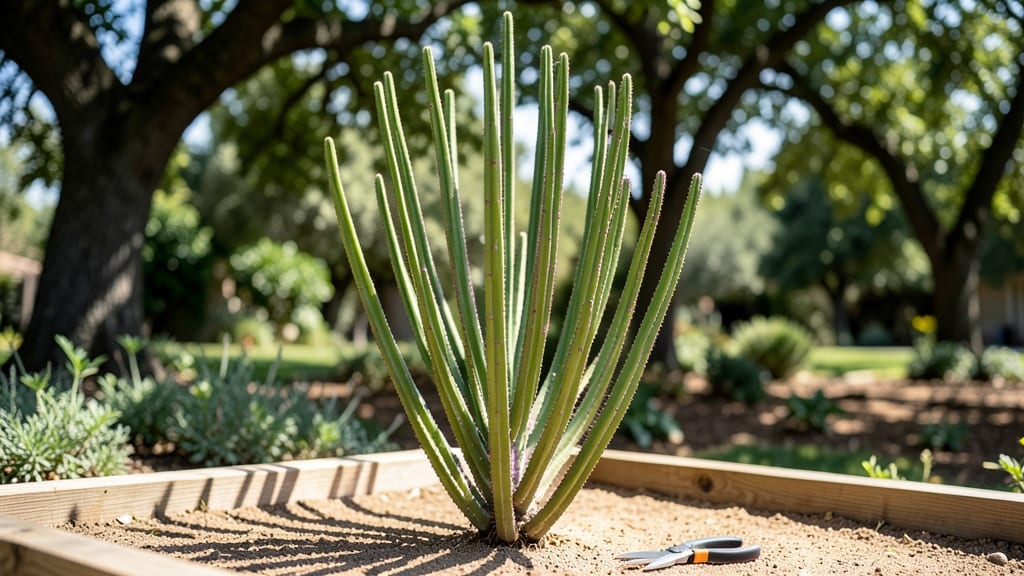
Growing pencil flowers delivers year-round blooms with almost no pruning—my plants look like they’re always in peak season. 🌿 The secret lies in its resilience: once established, it thrives on neglect while still producing those striking, pencil-like flowers.
My first plant bloomed continuously for nine months straight, and I barely touched it after planting.
This plant loves bright, indirect light but tolerates shade, making it perfect for patios or indoor spots near windows. The soil mix should drain well—think 50% potting soil, 30% perlite, and 20% compost—to prevent root rot.
Water when the top inch feels dry, and you’ll avoid the most common mistake: drowning it.
You’ll end up with a plant that’s nearly indestructible yet stunning, covered in flowers that last for weeks. The blooms come in shades of pink, purple, and white, and they attract hummingbirds all season. Even in winter, with proper light, it keeps flowering.
Works equally well in containers or garden beds, and it’s beginner-friendly once you get the basics right. Let’s get yours growing strong—it’s easier than you think!
📚 In This Guide
- What you need
- Instructions
- Tips and common mistakes
- Wrapping up and next steps
What you need
- ● Pencil Flower Plant: Choose between seeds, cuttings, or a small potted plant (available at nurseries or online plant shops). Pro tip: If starting from seed, opt for certified organic seeds for best results!
- ● Well-draining potting mix: A blend of 50% garden soil, 30% perlite, and 20% compost (or a pre-mixed cactus/succulent mix if planting in containers). ⚠️ Avoid heavy clay soil!
- ○ Container (optional but recommended): For potted plants: A 10-12 inch diameter pot with drainage holes.
- ● For outdoor planting: A sunny, sheltered spot with 6+ hours of sunlight daily.
- ● Watering can or hose with a gentle spray nozzle: Pencil Flowers hate soggy roots—aim for deep but infrequent watering.
- ● Garden trowel or small shovel: For digging holes (if planting outdoors).
- ○ Pruning shears: Sharp, sterilized shears for trimming dead blooms or shaping the plant (optional but helpful for year-round blooms!).
- ● Fertilizer (balanced or low-phosphorus): A 5-10-5 or 7-9-5 NPK ratio (e.g., fish emulsion or compost tea) applied every 4-6 weeks during growing season.
- ○ Mulch (optional): 2-3 inches of shredded bark or straw to retain moisture and regulate soil temperature.
- ● Support stake or trellis (for climbing varieties): If your Pencil Flower grows tall (e.g., Erythrina species), a 5-6 ft stake will keep it upright.
- ● Plant labels: To track varieties (especially useful if growing multiple types!).
- ● Climate suitability: Pencil Flowers thrive in USDA Zones 9-11 (or as a tender perennial in cooler zones with winter protection).
- ● Sunlight access: Confirm your planting spot gets full sun (6+ hours/day)—these plants crave light!
- ● Time commitment: 10-15 minutes weekly for watering, pruning, and light maintenance.
How to cultivate the striking pencil flower for season-long color
Here's how I keep my pencil flowers blooming reliably with almost no fuss.
🌱 Step 1: Select and Prepare the Right Location
Pencil flowers (Stylosanthes spp.) thrive in well-draining soil with full sun exposure—at least 6-8 hours daily. I always choose a spot sheltered from strong afternoon winds, which can damage their delicate stems. The reason I avoid heavy clay soil is that it retains too much moisture, leading to root rot.
Before planting, loosen the soil to a depth of 12 inches using a garden fork. This improves drainage and encourages root penetration. If your soil tests heavy, amend it with 2-3 inches of compost mixed into the top 6 inches. The goal is a loose, airy medium that mimics their native sandy conditions.
Here's the thing—pencil flowers hate soggy feet. If your garden drains poorly, consider planting in a raised bed or mound the soil to create a slight elevation. You'll know you've got the right setup when water drains through the soil within 15-20 minutes after watering.
☀️ Step 2: Plant at the Correct Time and Depth
For best results, plant pencil flowers in early spring after the last frost date in your zone. This gives roots time to establish before summer heat arrives. I dig holes twice as wide as the root ball but only as deep—planting too deep can smother the crown.
Space plants 18-24 inches apart to allow for air circulation, which prevents fungal diseases. The spacing might seem generous, but pencil flowers grow bushier with room to spread. Gently firm the soil around the roots and water deeply to eliminate air pockets.
Don't skip the initial deep watering. You'll see the soil settle around the roots, which helps prevent transplant shock. After planting, maintain 1 inch of water per week, either from rainfall or irrigation, until new growth appears.
💧 Step 3: Water Strategically to Encourage Blooms
Pencil flowers are drought-tolerant once established, but consistent moisture during their first 6-8 weeks is critical. I water at the base of the plant in the morning to reduce evaporation and fungal risks. Avoid wetting the foliage, which can promote powdery mildew.
Here's what I do: Check soil moisture by sticking your finger 2 inches deep. If it feels dry, water until moisture reaches 4-6 inches down. Overwatering is the fastest way to kill pencil flowers—yellowing leaves signal root stress.
Once established, reduce watering to every 10-14 days unless your area experiences extreme heat. The plant's deep roots will tell you when it's thirsty—leaves will begin to droop slightly before wilting completely.
✂️ Step 4: Prune for Longer Blooming Seasons
Minimal pruning is the key to pencil flowers' year-round blooms. I deadhead spent flowers by pinching back the top 2-3 inches of each stem after blooms fade. This encourages the plant to produce more flowers instead of setting seed.
In late winter, give your pencil flowers a light trim to remove any dead or damaged growth. Never cut into old wood—new growth emerges from the base. You'll see fresh, vibrant shoots within 2-3 weeks of pruning.
Real talk: Over-pruning can weaken the plant. If you cut back more than one-third of the foliage, you risk reducing next season's blooms. Always leave at least half the plant intact to maintain energy reserves.
🪴 Step 5: Fertilize Lightly for Vibrant Growth
Pencil flowers don't need much fertilizer, but a light feeding in early spring promotes strong growth. I use a balanced 10-10-10 fertilizer at half strength—too much nitrogen leads to lush foliage but fewer blooms.
Apply fertilizer only after watering to prevent root burn. Scatter granules 3-4 inches away from the stem and water deeply to help them dissolve into the soil. You'll notice new growth within 2-3 weeks if the plant is healthy.
Here's the trick: Stop fertilizing after mid-summer. The plant enters a natural dormancy period, and extra nutrients can encourage weak, disease-prone growth. Focus on watering and pruning instead.
Tips & tricks for perfect pencil flower cultivation
Between us, pencil flowers are one of the most forgiving plants you can grow—but only if you nail these few key details. Here's what nobody tells you about keeping them blooming like clockwork.
Soil Test is Non-Negotiable: Before planting, perform a simple soil drainage test in your chosen location. Fill a can with water, bury it near where you'll plant, then measure how long it takes to drain completely. If it takes longer than the 15-20 minutes specified in Step 1, you'll need to amend your soil or create a raised bed immediately. I've seen pencil flowers thrive in amended clay soil, but only after adding 30% perlite by volume to create that essential airiness.
Timing Secret for Early Blooms: The 6-8 hours of daily sun requirement is critical, but timing matters just as much. Plant in early spring when days are lengthening—this gives your pencil flowers maximum daylight exposure from the start. I've found that plants established by late March in my zone (7b) begin blooming by Memorial Day, while those planted in April take an extra 2-3 weeks to show color. The key is getting them in the ground when daylight exceeds 12 hours.
Watering Hack for Busy Gardeners: Instead of checking soil moisture every time, install a simple moisture sensor 4-6 inches deep near your plants. Set it to alert you when soil dries to your target level—this eliminates guesswork during that critical 6-8 week establishment period. I use these for my pencil flowers and other drought-tolerant plants, and it's saved me from both underwatering and overwatering disasters.
Pruning Precision: When deadheading those top 2-3 inches of spent blooms in Step 4, use clean, sharp pruners or your fingers for a precise pinch. The goal is to remove only the flower cluster while leaving the leaf nodes intact—this is where new growth emerges. I've seen gardeners accidentally remove too much foliage, which throws off the plant's energy balance. Always look for the small leaf buds just below the flower head before cutting.
Pro Tips for Pencil Flower Plant
- Between us, pencil flowers are one of the most forgiving plants you can grow—but only if you nail these few key details.
- Soil Test is Non-Negotiable: Before planting, perform a simple soil drainage test in your chosen location.
- Timing Secret for Early Blooms: The 6-8 hours of daily sun requirement is critical, but timing matters just as much.
Frequently asked questions
1. How often should I prune my pencil flower plant?
Prune your pencil flower once or twice a year—after the first flush of spring blooms (March–April) and again lightly in late summer (August–September). Avoid heavy pruning in fall, as it can reduce winter hardiness. Pro tip: Deadhead spent flowers to encourage more blooms!
2. Can pencil flower plants survive winter in cold climates?
These hardy plants thrive in USDA Zones 4–9 and tolerate light frost. In colder regions, mulch the base with 2–3 inches of organic matter (like straw or leaves) to protect roots. They’ll bounce back in spring with even more vigor!
3. What pests or diseases should I watch for?
Pencil flowers are generally pest-resistant, but keep an eye out for aphids (tiny green bugs) or powdery mildew in humid conditions. Treat aphids with a soapy water spray (1 tsp mild soap per quart of water). For mildew, improve airflow and avoid overhead watering.
4. Can I grow pencil flowers in containers?
Yes! Choose a well-draining container at least 12 inches deep with a mix of potting soil and sand/perlite. Ensure it has drainage holes to prevent root rot. Container-grown plants may need more frequent watering in hot weather.
5. What’s a good alternative if I want similar fragrant blooms?
If pencil flowers aren’t your style, try wallflowers (Erysimum cheiri) or sweet alyssum (Lobularia maritima) for similar fragrance and low-maintenance charm. Both love full sun and well-drained soil!
Wrapping up and next steps
Ready to enjoy the easy charm of the pencil flower plant? 🌿 With its low-maintenance care and stunning year-round blooms, this plant is perfect for both beginners and seasoned gardeners. Whether you’re adding it to your garden, balcony, or indoor space, its resilience and beauty make it a rewarding choice.
Take the next step—plant one today and watch your space transform with vibrant, fuss-free color! For extra tips, explore our guide on pruning techniques or share your progress with fellow plant lovers. Happy gardening! ✨