
Planting
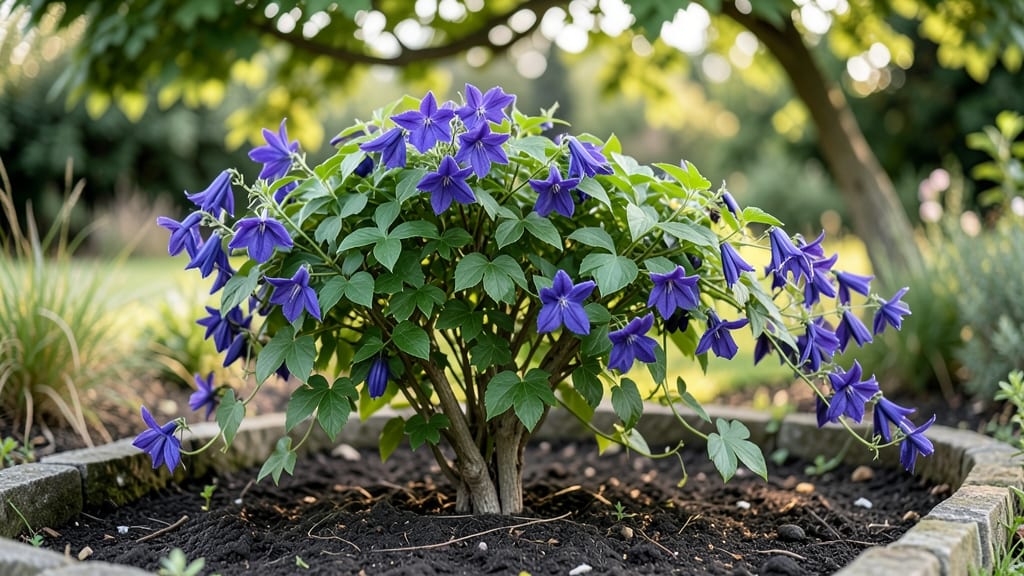
When you need perennial flowering vines that survive Zone 5 winters, clematis, wisteria, and honeysuckle deliver stunning color without the annual replanting. I’ve grown these tough climbers for years—some even push through snow to bloom again in spring—and they’ve never let me down.
The key is choosing the right varieties and giving them proper support from day one.
These vines thrive with 6+ hours of sunlight, well-draining soil, and sturdy trellises or fences. Plant in early spring or fall when temperatures are mild, and water deeply the first year to establish strong roots.
Pruning in late winter (before new growth starts) keeps them blooming their best while preventing winter damage.
By summer, you’ll have vibrant blooms that attract hummingbirds and butterflies, plus lush foliage that softens fences or arbors. The best part? They come back bigger and bolder every year, with minimal care once established. Let’s pick the perfect vines for your climate and space.
Whether you’re wrapping a pergola, hiding an ugly fence, or creating a fragrant entryway, these cold-hardy climbers deliver year-round interest—from spring blossoms to autumn foliage. I’ll share my top varieties and the exact pruning schedule that keeps them thriving through Zone 5’s harshest winters.
📚 In This Guide
- What you need
- Instructions
- Tips and common mistakes
- Wrapping up and next steps
What you need
- ● Perennial flowering vines (Zone 5 hardy): 3–5 plants per variety (e.g., Clematis, Honeysuckle, Climbing Hydrangea, or Trumpet Vine)
- ● Choose cold-resistant cultivars (e.g., Clematis ‘Jackmanii’ or Honeysuckle ‘Annabelle’).
- ● Support structures: 1–2 trellises, arbors, or pergolas (6–10 ft tall, depending on vine growth)
- ● Sturdy wire mesh (for climbing roses or aggressive vines like Wisteria).
- ● Soil amendments: 5–10 lbs compost or well-rotted manure per planting hole
- ● 1 cup balanced fertilizer (10-10-10) or bone meal (for phosphorus).
- ● Tools: 1 shovel or trowel
- ● 1 pruners (sterilized)
- ● 1 measuring tape or ruler
- ● 1 garden hose with spray nozzle
- ● Mulch: 2–3 inches of wood chips or straw to retain moisture.
- ● Epsom salt: 1 tbsp per plant (for magnesium, especially for Clematis).
- ● Drip irrigation system: For consistent watering in Zone 5’s dry spells.
- ● Plant ties or soft twine: To guide young vines until they establish.
- ● Cold frame or frost cloth: For early spring/late fall protection.
Step-by-step guide for planting cold-hardy perennial flowering vines in Zone 5
Here’s how to establish vibrant, winter-resilient vines that thrive year after year.
Select and Prepare the Planting Site
Choose a location with 6-8 hours of sunlight daily—most perennial vines like clematis, hops, and climbing roses need full sun for robust blooms. Test the soil’s drainage by digging a 12-inch hole and filling it with water; if it drains in under an hour, the site is suitable. Amend heavy clay soil with 2-3 inches of compost mixed into the top 6 inches of native soil to improve aeration and nutrient retention.
I always avoid planting directly against house walls, as reflected heat can scorch delicate foliage. Instead, position vines 3-4 feet from structures to allow airflow and prevent moisture buildup against the foundation. Mark the planting area with stakes to visualize the vine’s mature spread—many perennials reach 8-12 feet wide, so space accordingly.
Plant Vines at the Correct Depth and Orientation
Dig a hole twice as wide as the root ball but no deeper—planting too deep suffocates roots, while shallow planting exposes them to frost heave in Zone 5 winters. Gently loosen the root ball if pot-bound, then place the vine in the hole so the top of the root ball sits level with the surrounding soil. This ensures proper water absorption without crown rot.
For climbing roses or clematis, insert 3-4 sturdy trellis supports into the hole before backfilling. Orient the vine toward the trellis so stems grow upward naturally. Water deeply to settle the soil, then add 2 inches of mulch around the base to retain moisture and regulate soil temperature. Avoid piling mulch against the stem—keep it 2 inches away to prevent rot.
Train Vines Early for Strong Growth
Within 4-6 weeks of planting, new shoots will emerge. Gently tie the strongest 2-3 stems to the trellis using soft plant ties or twine, securing them loosely to avoid damaging tender growth. Prune any crossing or weak stems at the base to encourage energy into the main framework. This step is critical—vines trained early develop thicker canes and produce more blooms.
Fertilize lightly with a balanced 10-10-10 formula at planting and again in early spring, but avoid high-nitrogen feeds after mid-summer. Too much nitrogen late in the season delays hardening before winter. Water deeply once a week during the first growing season, ensuring the soil 6 inches down stays moist—perennial vines establish deeper roots when moisture is consistent.
Prepare for Winter Survival in Zone 5
By late October, when nighttime temperatures drop below 40°F, reduce watering to allow roots to harden. Apply 4-6 inches of shredded bark mulch around the base, extending it 12 inches outward to insulate roots. For tender vines like climbing hydrangeas, wrap the trellis and stems in burlap and loosely secure with twine—this protects against desiccation winds but allows airflow.
Prune dead or damaged stems in early spring, but wait until after the last frost (typically mid-April in Zone 5) to assess new growth. Cut back one-third of the oldest canes each year to rejuvenate the plant. This practice prevents overcrowding and ensures stronger blooms in subsequent seasons. Here’s the thing—patience pays off: it takes 2-3 years for perennials to reach full vigor, but the payoff is decades of low-maintenance color.
Tips & tricks for perfect perennial flowering vines in Zone 5
These game-changing strategies will help your cold-hardy climbers thrive for decades—no green thumb required!
Sunlight Strategy: While 6-8 hours of sunlight is ideal, don't panic if your site gets slightly less. Morning sun (east exposure) combined with afternoon shade works beautifully for many Zone 5 vines like clematis and hops. The key is avoiding hot afternoon sun against dark walls—this can stress plants more than slightly reduced light. Monitor leaf color after a few weeks: vibrant green means you're golden; yellowing suggests more light is needed.
Soil Science: That 2-3 inches of compost mixed into the top 6 inches of soil is non-negotiable for heavy clay areas. For sandy soils, add 1-2 inches of organic matter like leaf mold instead—it improves water retention without compacting. I've seen dramatic differences when testing drainage: if water pools after your 12-inch hole test, mix in perlite or coarse sand to create better drainage channels. The goal is soil that feels like a well-wrung sponge—not bone-dry, not soupy.
Winter Protection Hacks: When applying that 4-6 inches of mulch in late October, create a donut shape—keep mulch 2 inches away from stems to prevent rot while still insulating roots. For extra tender varieties, add a layer of evergreen boughs over the mulch for additional wind protection. I've had climbing hydrangeas survive Zone 5 winters unscathed using this method, even when temperatures dip below 0°F. The secret is airflow: wrapped stems need to breathe but stay shielded from drying winds.
Pruning Precision: That one-third annual prune of oldest canes is your secret weapon for longevity. I mark the canes I'll remove with colored tape in early spring—this visual cue prevents accidental pruning of new growth. For clematis specifically, prune just above a healthy bud that faces outward. The 2-3 year patience payoff is real: I've seen neglected vines rebound spectacularly after just one proper pruning cycle.
Pro Tips for Perennial Flowering Vines Zone 5
- These game-changing strategies will help your cold-hardy climbers thrive for decades—no green thumb required!
- Sunlight Strategy: While 6-8 hours of sunlight is ideal, don't panic if your site gets slightly less.
- Soil Science: That 2-3 inches of compost mixed into the top 6 inches of soil is non-negotiable for heavy clay areas.
Frequently asked questions
Got questions about growing perennial flowering vines in Zone 5?
You’re not alone! Here are answers to the most common concerns—from planting tips to winter care—to help you keep your vertical garden thriving year-round.
Which perennial flowering vines are best for Zone 5’s harsh winters?
Look for cold-hardy varieties like Clematis montana (Zone 5), Honeysuckle (Lonicera), or Climbing Hydrangea (Hydrangea petiolaris). These survive winters below 0°F (-18°C) with proper mulching and winter protection. Avoid tender tropical vines like Bougainvillea—they’ll die back in freezing temps!
When is the best time to plant perennial vines in Zone 5?
Plant in early spring (after the last frost) or early fall (6–8 weeks before the first frost). Spring planting gives roots time to establish before summer heat, while fall planting lets them settle before winter. Avoid planting in late summer—vines may struggle to root before cold sets in.
How do I protect my vines from Zone 5 winters?
Mulch the base with 3–4 inches of straw or shredded leaves after the ground freezes. Wrap young or delicate vines (like Clematis) with burlap or frost cloth, securing loosely to allow airflow. Prune dead foliage in late winter (before new growth starts) to prevent rot.
Why aren’t my perennial vines flowering this year?
Common culprits: over-pruning (cut back only after blooms fade), poor sunlight (most need 6+ hours of sun), or nutrient deficiencies. Feed with a balanced fertilizer in early spring and ensure they climb a sturdy trellis—stress from poor support can delay blooms.
Can I grow perennial vines in containers in Zone 5?
Yes! Choose compact varieties like Clematis ‘Jackmanii’ or Star Jasmine (Trachelospermum jasminoides). Use a large container (15+ gallons) with drainage holes, winterize with extra mulch and move pots to a sheltered spot (or wrap in insulation). Water sparingly in winter to prevent root rot.
Wrapping up and next steps
Transforming your Zone 5 garden into a vibrant, year-round retreat is totally within reach! With the right perennial flowering vines, you can enjoy stunning blooms, lush foliage, and even edible harvests—all while keeping maintenance simple.
Whether you’re climbing trellises, covering fences, or adding texture to shady spots, these cold-hardy beauties will reward you with color and charm season after season.
Ready to get growing? Start small: Pick one or two vines to test in your space, then expand as you fall in love with their performance. Happy planting—your garden’s next masterpiece is waiting! 🌿✨