
Shrubs
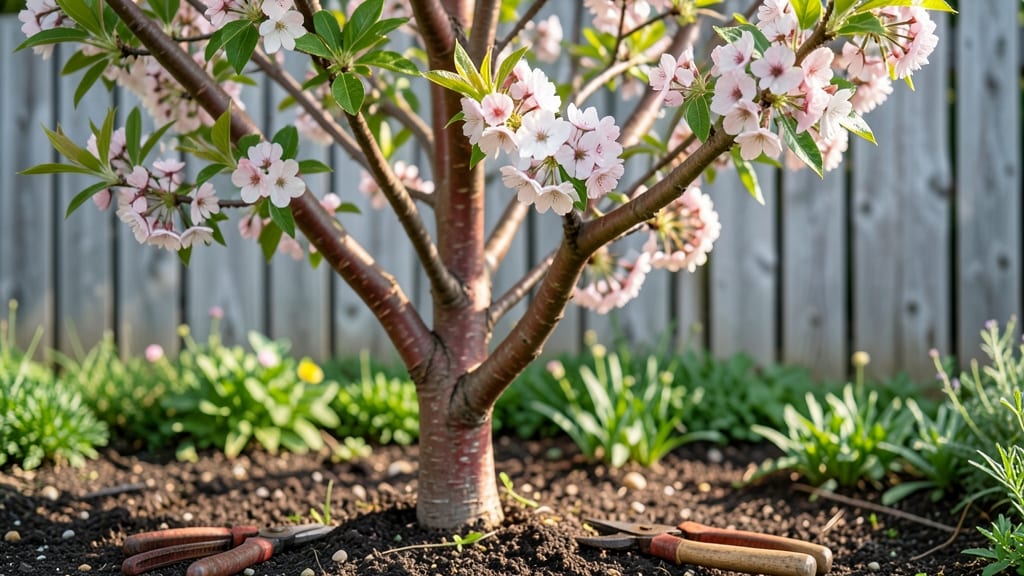
A pink flowering almond shrub transforms any garden into a dreamy spring spectacle with its delicate blossoms and graceful branches. I fell for this dwarf variety after seeing it soften a modern landscape—its pale pink flowers create a cloud-like effect that feels both romantic and effortless.
The key to making it shine lies in placement: tuck it where its cascading blooms catch morning light, or let it anchor a cottage-style border with its airy, willowy habit.
This shrub thrives in partial sun, making it perfect for underplanting beneath larger trees or lining a path where its 4- to 6-foot height stays manageable. Pair it with lavender for contrast, salvia for texture, or bleeding heart to echo its dreamy pink tones.
In modern designs, its clean silhouette works alongside boxwoods or ornamental grasses, while cottage gardens adore its informal, slightly wild charm.
What makes it truly magical is how it performs year-round: silvery bark adds winter interest, and new growth emerges in spring with a fresh, almond-scented fragrance that lingers in the breeze.
The dwarf varieties stay compact enough for small spaces, yet their presence feels grand—like a whisper of elegance in any corner of the garden.
For best results, avoid heavy pruning after flowering, and mulch to keep roots cool. The secret to its lasting appeal? Let it grow naturally—its natural shape is its most decorative feature. Whether you're designing a minimalist courtyard or a lush cottage retreat, this shrub delivers timeless beauty with minimal fuss.
📚 In This Guide
- What you need
- Instructions
- Tips and common mistakes
- Wrapping up and next steps
What you need
- ● Dwarf Pink Flowering Almond Shrub: 1-3 plants (choose Prunus glandulosa ‘Rosea’ or similar compact varieties).
- ● Well-draining potting mix: 5-10 gallons (for containers) or amend garden soil with compost (2-3 parts soil to 1 part compost).
- ● Organic fertilizer: Balanced 10-10-10 or slow-release granules (1 cup per plant at planting).
- ● Mulch: 2-3 inches of wood chips or gravel (to retain moisture and suppress weeds).
- ● Garden trowel or shovel: For digging holes (6-8 inches deep and wide for dwarf varieties).
- ● Watering can or hose with nozzle: Gentle spray setting to avoid disturbing roots.
- ○ Pruning shears: Sharp, sterilized shears for trimming (optional but helpful for shaping).
- ● Gloves and knee pads: For comfort during planting.
- ○ Container (optional): 15-20 gallon pot with drainage holes (if growing in pots).
- ● Sunlight: Full sun (6+ hours daily)—this shrub thrives in bright, open spaces!
- ● Climate: Hardy in USDA Zones 4-8 (check your local frost dates).
- ● Water access: Regular watering (deep soaks 2-3 times per week for the first month).
- ● Space: 3-5 feet apart (dwarf varieties stay compact but need airflow).
Step-by-step guide for planting and cultivating a dwarf pink flowering almond shrub
This elegant, low-maintenance shrub thrives with the right approach—here’s how to establish one that blooms reliably for years.
🌱 Step 1: Select the Perfect Planting Site
Choose a location with full sun exposure—at least 6-8 hours of direct sunlight daily—to ensure vibrant pink blooms. The dwarf variety tolerates partial shade but will produce fewer flowers. Test the spot by observing how much sunlight it receives over a week before planting.
Ensure the soil drains well, as almond shrubs despise soggy roots. Amend heavy clay soil with 2-3 inches of coarse sand or perlite to improve drainage. A slight slope helps prevent water pooling around the base, which can lead to root rot.
🪴 Step 2: Prepare the Soil and Plant
Dig a hole twice as wide as the root ball but only as deep. The top of the root ball should sit 1 inch above ground level—this prevents water from pooling around the stem. Gently loosen the roots if they’re circling tightly in the container.
Mix the excavated soil with compost or well-aged manure (about 1 part compost to 3 parts soil) to enrich nutrients without overwhelming the plant. Place the shrub in the hole, backfill with the amended soil, and tamp lightly to remove air pockets.
☀️ Step 3: Water and Mulch for Establishment
Water deeply immediately after planting to settle the soil and eliminate air gaps. The root ball should absorb 1-2 gallons of water—enough to moisten the soil 12 inches deep. Avoid shallow watering, which encourages weak root growth.
Apply 2-3 inches of organic mulch (like wood chips or bark) around the base, keeping it 3 inches away from the trunk to prevent rot. Mulch retains moisture, regulates soil temperature, and suppresses weeds. Replenish as it breaks down over time.
✂️ Step 4: Prune for Shape and Bloom Encouragement
Prune right after flowering to shape the shrub and promote dense growth. Remove dead, damaged, or crossing branches first, then trim back any overlong stems by one-third to encourage bushier growth. Use clean, sharp pruners to make cuts at a 45-degree angle just above a leaf node.
Skip heavy pruning in late summer or fall—this can stimulate new growth that won’t harden off before winter. Lightly shape the shrub in early spring to remove any winter damage and encourage fresh blooms for the season.
💧 Step 5: Maintain Through the Seasons
Water once a week during the first growing season, providing 1-2 gallons per watering when the top 2 inches of soil feel dry. Mature shrubs are drought-tolerant but bloom best with consistent moisture—especially during dry spells. Overwatering is worse than underwatering, so always check soil moisture before watering.
Fertilize once in early spring with a balanced, slow-release fertilizer (10-10-10) to support new growth. Avoid high-nitrogen fertilizers, which promote leafy growth at the expense of flowers. Monitor for pests like aphids or spider mites—treat early with neem oil or insecticidal soap if needed.
Tips & tricks for perfect pink flowering almond shrub cultivation
Here's what I've learned after watching these delicate shrubs thrive—and sometimes struggle—in my own garden. These insights will help you avoid common pitfalls and maximize those stunning pink blooms.
Sunlight Strategy: While the 6-8 hours of sunlight mentioned is ideal, I've found that even in partial shade, the dwarf variety can still produce flowers if you supplement with a grow light during the shortest daylight hours of winter. Position the light just above the canopy for 4-6 hours in the evening to extend daylight exposure. This makes a noticeable difference in bloom intensity, especially in northern climates.
Soil Preparation Insight: The 2-3 inches of sand or perlite recommendation is perfect for heavy clay soils, but I've discovered an even better approach for sandy soils: mix in 1 part peat moss to 4 parts native soil. This helps retain moisture without suffocating the roots. Always test your soil's drainage by digging a hole, filling it with water, and checking how quickly it drains—if it takes more than 2 hours, you need more amendments.
Watering Wisdom: That initial 1-2 gallons of water after planting is crucial, but I've learned to go one step further: water again 3 days later with the same amount. This establishes deeper root systems right from the start. For the weekly watering schedule, I've found using a moisture meter is worth the investment—it helps you avoid both overwatering and underwatering by showing you exactly when the top 2 inches of soil are dry.
Pruning Precision: When trimming back those overlong stems by one-third, I focus on creating an open center rather than just reducing length. This improves air circulation, which is key to preventing fungal diseases that can affect the delicate pink blooms. Always sterilize your pruners with rubbing alcohol between cuts to prevent spreading any potential pathogens from one branch to another.
Pro Tips for Pink Flowering Almond Shrub
- Here's what I've learned after watching these delicate shrubs thrive—and sometimes struggle—in my own garden.
- Position the light just above the canopy for 4-6 hours in the evening to extend daylight exposure.
- Soil Preparation Insight: The 2-3 inches of sand or perlite recommendation is perfect for heavy clay soils, but I've discovered an even better approach for sandy soils: mix in 1 part peat moss to 4 parts native soil.
Frequently asked questions
Got questions about your pink flowering almond shrub? You’re not alone—this stunning dwarf variety is packed with charm but comes with a few quirks. Below, we tackle the most common queries to help you grow with confidence!
Is the pink flowering almond shrub toxic to pets or humans?
The Prunus glandulosa (pink flowering almond) contains amygdalin, a compound that can release cyanide when ingested in large quantities. While the risk is low for small nibbles, keep pets and kids away from pruning debris or fallen blossoms. Opt for pet-safe alternatives like Viburnum bodnantense if you’re worried.
How long does it take for a dwarf pink flowering almond to bloom?
Patience is key! Most dwarf varieties (Prunus glandulosa ‘Rosea’) take 2–3 years to produce their first flowers after planting. Ensure full sun (6+ hours/day) and well-draining soil to speed up the process. Pro tip: Fertilize lightly in early spring with balanced 10-10-10 to encourage robust growth.
Can pink flowering almond shrubs survive winter in cold climates?
This shrub thrives in USDA Zones 4–8, making it hardy for most U.S. regions. In colder zones (below Zone 4), mulch the base with 3–4 inches of organic matter (like shredded bark) to insulate roots. Young plants may need burlap wrap for extra protection during harsh winters.
Why aren’t my pink flowering almond blossoms opening?
Blooms might stay closed due to stress factors like:
- Overwatering: soggy soil suffocates roots.
- Nutrient deficiency: yellowing leaves? Try an iron supplement.
- Late frost: flowers are frost-sensitive; cover with frost cloth if temps dip below 28°F.
- Poor sunlight: move to a sunnier spot if blooms are sparse.
Give it time—some varieties bloom late winter to early spring!
What’s a good alternative if I want a low-maintenance pink bloomer?
If the almond’s moderate upkeep (pruning, frost protection) feels like too much, try these compact, pink-flowering shrubs:
Plant
Height
Care Level
Viburnum ‘Pink Beauty’
3–5 ft
Low (drought-tolerant)
Weigela ‘Wine & Roses’
4–6 ft
Moderate (prune after blooming)
Cotoneaster ‘Dragon’s Blood’
3–4 ft
Very low (nearly indestructible)
Each offers vibrant pink blooms with less fuss!
Wrapping up and next steps
The pink flowering almond shrub, especially its dwarf variety, is a stunning addition to any compact garden or patio space. With its delicate blooms, fragrant charm, and low-maintenance care, it brings elegance without the bulk—perfect for small yards or urban landscapes! 🌸
Ready to transform your outdoor space? Start by gathering your supplies, choosing the right location, and following the planting tips shared above. Your dream garden is just a few steps away! 🌱