
Aphids
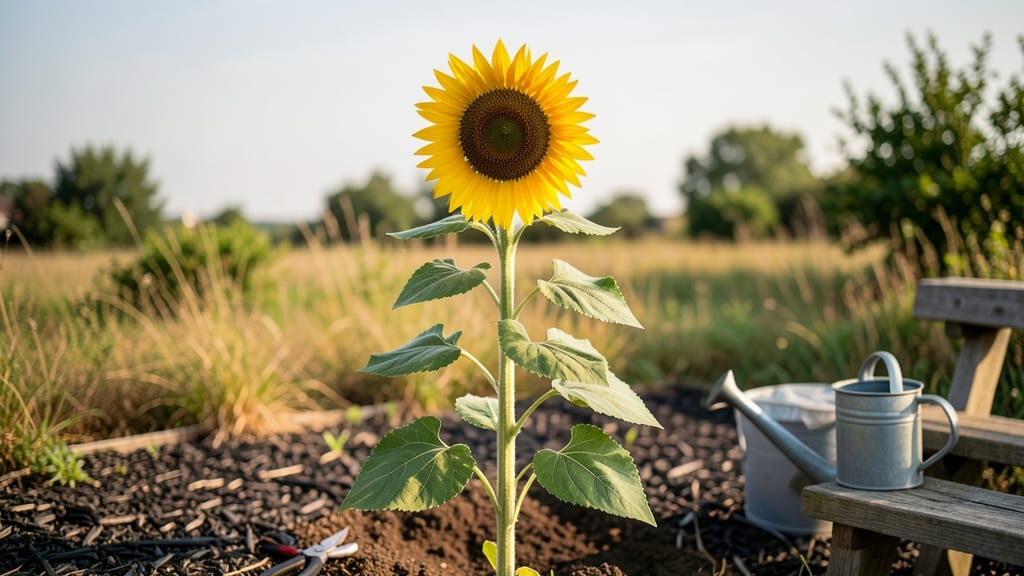
Growing the Pro Cut Plum sunflower means aphid-resistant blooms that last from spring through frost—my favorite cut flowers for long-stem arrangements. 🌻 These sunflowers stand out with their deep plum petals and sturdy stems, perfect for bouquets that hold up for days.
The secret to their success lies in the right soil, spacing, and a little extra care during their growing season.
You’ll need well-draining soil rich in organic matter, full sun for at least 6-8 hours daily, and consistent moisture—especially when they’re young. Plant seeds ½ inch deep, spacing them 12-18 inches apart to give their roots room to grow strong.
This variety thrives in USDA Zones 3-10, making it adaptable to most climates with the right timing.
By mid-summer, you’ll be harvesting 3-4 foot stems with vibrant plum blooms that add drama to any vase. The aphid resistance means fewer pesticides and more time enjoying their beauty. Just watch for powdery mildew in humid areas and deadhead spent blooms to encourage more flowers all season.
Whether you’re growing for bouquets, pollinators, or just love sunflowers, this variety delivers reliable, striking blooms with minimal fuss. Ready to plant? Let’s get those seeds in the ground—or start them indoors 4-6 weeks before your last frost for an early show.
📚 In This Guide
- What you need
- Instructions
- Tips and common mistakes
- Wrapping up and next steps
What you need
- ● Seeds: Pro Cut Plum Sunflower seeds (10–20 seeds, depending on desired plant count). Look for aphid-resistant or disease-resistant varieties for extra protection.
- ● Growing Containers or Garden Bed: For containers: 5-gallon pots (1 per plant) with drainage holes.
- ● For in-ground planting: Well-draining soil in a sunny spot (6+ hours of sunlight daily).
- ● High-Quality Potting Mix: A lightweight, well-draining blend (e.g., 60% peat moss, 30% perlite, 10% compost). Avoid heavy clay soil.
- ● Organic Fertilizer: Balanced 10-10-10 or fish emulsion (follow package instructions for dilution).
- ● Aphid Control Tools: Neem oil (1–2 tbsp per gallon of water, spray weekly as preventive).
- ● Insecticidal soap (for targeted aphid treatment).
- ● Ladybugs or lacewings (natural predators, release 50–100 per plant).
- ● Hand Trowel (for transplanting seedlings).
- ● Watering Can with a fine rose nozzle (to avoid disturbing soil).
- ● Pruning Shears (for deadheading and shaping plants).
- ○ Gloves (optional, to protect hands from soil and neem oil).
- ○ Sunlight Meter (optional, to confirm 6+ hours of direct sun).
Step-by-Step instructions for cultivating Pro Cut Plum sunflowers
Here’s how to grow this stunning, pest-resistant variety with bold plum blooms that last all season.
🌱 Step 1: Choose the Perfect Planting Location
Pro Cut Plum sunflowers thrive in full sun—pick a spot that gets at least 6-8 hours of direct sunlight daily. I always test my garden’s sun exposure by marking a grid with stakes and observing sunlight patterns for a week before planting. This variety’s aphid resistance makes it ideal for urban gardens where pests are common, but it still needs strong light to develop those deep plum petals.
If you’re growing in containers, ensure pots are at least 12 inches deep and wide enough for the roots to spread. The key is drainage—sunflowers hate soggy feet, so raised beds or containers with drainage holes work best. I’ve seen these plants struggle in heavy clay soil, so amending with compost improves root development dramatically.
🌿 Step 2: Prepare Soil and Plant Seeds
Work 2-3 inches of compost into the top layer of soil before planting—this variety benefits from rich, well-draining soil. Sunflowers have deep taproots, so avoid disturbing the soil too much once seeds are in. Plant seeds ½ inch deep, spacing them 12-18 inches apart in rows 2 feet apart for proper airflow. I like to use a dibber or pencil to make clean holes—it keeps seeds at the right depth without overcrowding.
Water gently after planting to settle the soil, but don’t drown the seeds. Pro Cut Plum sunflowers germinate best in soil temperatures between 60-70°F. If your spring is chilly, wait until the ground warms before sowing. You’ll see the first true leaves appear in 7-10 days—that’s your signal everything’s on track.
☀️ Step 3: Support Growth and Maintain Health
As stems grow, they’ll need sturdy support—especially in windy areas. I use 6-foot bamboo stakes or metal cages to prevent flopping. The Pro Cut variety’s aphid resistance means fewer pest issues, but I still check leaves weekly for early signs of trouble. Aphids might still appear on new growth, but they rarely cripple the plant like they do with other sunflowers.
Water deeply 1-2 times per week, ensuring the soil stays moist but not waterlogged. Overwatering causes root rot, which is a common killer of sunflowers. You’ll know moisture is right when the top 2 inches of soil feel dry to the touch. Fertilize lightly with a balanced 10-10-10 formula when plants reach 12 inches tall—this encourages strong stems and vibrant blooms.
✂️ Step 4: Encourage Blooms and Extend the Season
Deadhead spent blooms by snipping stems just above a set of leaves to encourage more flowers. This variety’s cut-resistant stems make it perfect for bouquets—you can harvest individual blooms without damaging the plant. I’ve kept Pro Cut Plum sunflowers producing for 10+ weeks by consistently deadheading and providing steady water.
For year-round blooms, start a second batch of seeds 6-8 weeks after the first planting. This staggered approach ensures continuous color. If frost threatens, cut stems at the base and force them indoors in a vase—they’ll last another 2-3 weeks with fresh water.
Tips & tricks for perfect Pro Cut Plum sunflower cultivation
Between us, these little details make all the difference when growing Pro Cut Plum sunflowers that thrive all season.
Light Optimization: If your garden gets only 6-8 hours of sun, position your sunflowers to catch the strongest morning light—this is when sunlight is most intense and helps develop those deep plum petals. I’ve seen plants in partial shade grow leggy and pale, so if you’re in doubt, move them to a sunnier spot after a week. The aphid resistance helps, but vibrant color still needs full sun.
Soil Preparation Secret: The 2-3 inches of compost in Step 2 isn’t just about nutrients—it’s about creating the perfect loose, crumbly texture that sunflower taproots love. I like to mix in perlite for extra drainage, especially in heavy clay soils. Pro tip: Test your soil’s moisture level by squeezing a handful—it should hold together but not be sticky. If it’s too dense, add more compost or sand.
Germination Timing: Those 7-10 days until first true leaves might seem like a long wait, but it’s critical to wait for soil temperatures between 60-70°F. I’ve planted too early in cool springs and ended up with weak seedlings. Use a soil thermometer if you’re unsure—it’s the only way to guarantee proper germination. Once you see those first leaves, you’re golden!
Support System Strategy: The 6-foot bamboo stakes in Step 3 aren’t just for show—they prevent wind damage that can snap tender stems. For extra protection in storm-prone areas, I tie the stems to stakes with soft plant ties at three points: near the base, mid-stem, and just below the flower head. This creates a triangle of support that won’t damage the plant as it grows.
Pro Tips for Pro Cut Plum Sunflower
- Between us, these little details make all the difference when growing Pro Cut Plum sunflowers that thrive all season.
- Light Optimization: If your garden gets only 6-8 hours of sun, position your sunflowers to catch the strongest morning light—this is when sunlight is most intense and helps develop those deep plum petals.
- Soil Preparation Secret: The 2-3 inches of compost in Step 2 isn’t just about nutrients—it’s about creating the perfect loose, crumbly texture that sunflower taproots love.
Frequently asked questions
about the Pro Cut Plum Sunflower—here’s what you need to know before planting!When is the best time to plant Pro Cut Plum Sunflowers?
The Pro Cut Plum Sunflower thrives in warm soil, so plant after the last frost date in spring (when soil temps reach 50°F+). For year-round blooms, succession plant every 2–3 weeks or start indoors 4–6 weeks before transplanting. In mild climates, you can even sow fall crops for winter interest!
Are Pro Cut Plum Sunflowers truly aphid-resistant?
Yes! This variety is bred for aphid resistance, but no plant is 100% immune. Monitor leaves for sticky residue or curled growth—spray with neem oil or introduce ladybugs if needed. Healthy plants with proper spacing (12–18" apart) deter pests naturally.
How long do Pro Cut Plum Sunflowers take to bloom?
Expect vibrant plum-pink blooms in 60–70 days from direct sowing, depending on conditions. Early starts (indoors or in greenhouses) may flower faster. Deadhead spent blooms to encourage continuous flowering—ideal for cut arrangements or pollinators!
Can I grow Pro Cut Plum Sunflowers in containers?
Choose a 5-gallon+ container with drainage holes and well-draining soil. Use a tall, narrow pot (12"+ deep) to support their 3–4 ft stems. Place in full sun (6+ hours/day) and fertilize lightly every 3–4 weeks for robust growth.
How do I harvest Pro Cut Plum Sunflowers for cutting?
Cut stems at a 45° angle early morning when buds are just opening. Strip lower leaves to fit buckets, and recut stems every 2 days in water. For longevity, add floral preservative (1 tsp sugar + 1 drop bleach per quart). Store in a cool, dark place overnight before arranging!
What if my Pro Cut Plum Sunflowers wilt or droop?
Wilting often signals underwatering or heat stress. Water deeply at the base (1–1.5 inches per week), and mulch to retain moisture. If leaves yellow, check for overwatering or nutrient deficiency—amend soil with compost or a balanced fertilizer (10-10-10). Avoid wetting foliage to prevent disease.
Wrapping up and next steps
Growing the Pro Cut Plum Sunflower is a rewarding way to add vibrant color and aphid resistance to your garden year-round! 🌻 With its striking plum petals and sturdy stems, this variety is perfect for both beginners and seasoned gardeners.
Whether you're aiming for cut flowers, pollinator support, or simply beauty, this sunflower delivers.
Ready to bloom with confidence? Start by gathering your supplies, following the planting tips, and keeping an eye out for pests—like those pesky aphids! Once you’ve mastered the basics, experiment with companion plants or share your harvest with fellow gardening enthusiasts. Happy growing! 🌱