
Planting
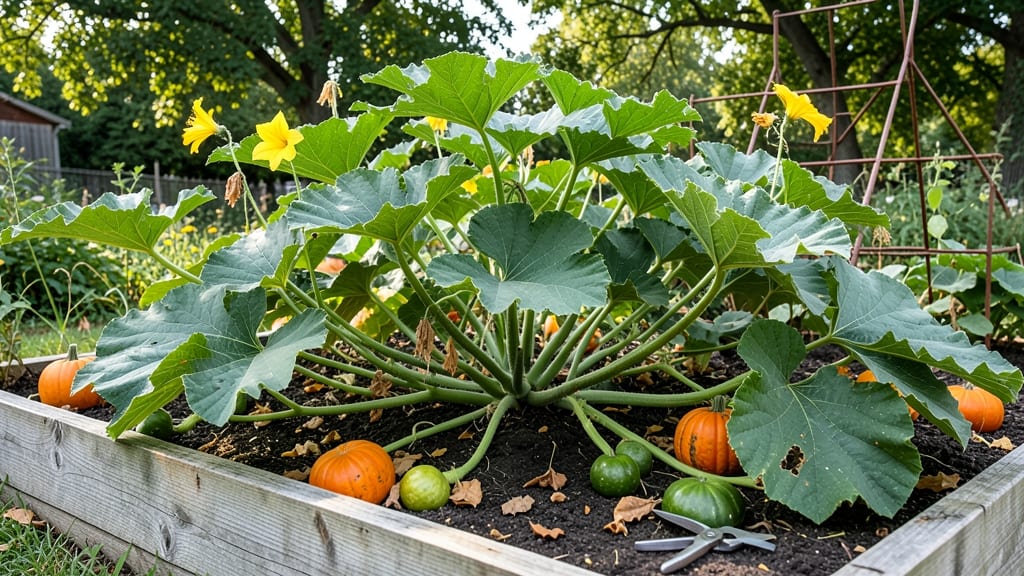
Pumpkin plant flowers turn your garden into a golden spectacle, but most people never see them because they focus only on the fruit. 🌻 I’ve grown pumpkins for over a decade, and the secret to abundant blooms—even when fruit isn’t the goal—is deadheading and smart care.
These delicate, sprawling vines produce hundreds of flowers in a single season, but only a fraction turn into pumpkins unless you guide them.
The first flowers appear 4-6 weeks after planting, and they’re stunning—bright yellow with deep orange throats, opening at dawn and closing by afternoon. The trick to more blooms? Remove spent flowers (deadheading) to encourage new growth, and hand-pollinate if you want fruit.
Even if you don’t harvest pumpkins, the flowers attract bees and add months of seasonal color to your garden.
With the right care, you’ll end up with a vine so lush it looks like a living tapestry, covered in blooms from early summer until frost. The flowers themselves are edible—toss them into salads or garnish dishes—and their honey-sweet scent lingers in the air.
Once you master deadheading and pollination, your pumpkin patch becomes a year-round beauty spot, not just a harvest zone.
This works for both ornamental pumpkins (like Cinderella or Jack Be Little) and traditional varieties. Whether you’re growing for show, pollinators, or harvest, the same techniques apply. Let’s turn those vines into a floral masterpiece.
📚 In This Guide
- What you need
- Instructions
- Tips and common mistakes
- Wrapping up and next steps
What you need
- ● Pumpkin seeds or seedlings: Choose Cucurbita varieties (e.g., C. pepo, C. maxima) for vibrant blooms. Start with 3–5 seeds per plant (or 1–2 seedlings) for optimal growth.
- ● Well-draining potting mix: 5–10 gallons per plant (sterilized to prevent disease). Mix in 20% compost for nutrients.
- ● Containers or garden bed: Containers: 5–7 gallon pots with drainage holes (terracotta or fabric grow bags work best).
- ● Garden bed: Full sun (6+ hours/day) and space for vines to spread (10–20 sq ft per plant).
- ● Fertilizer: Balanced liquid fertilizer (10-10-10): 1 tbsp per gallon of water every 2–3 weeks during blooming season.
- ○ Slow-release granular fertilizer: 1 cup per plant at planting (optional but recommended).
- ● Pruning shears: Sharp, bypass-type shears (sterilized with rubbing alcohol).
- ● Gloves: Heavy-duty gardening gloves to protect against thorns and sap.
- ● Trellis or support structure: For vertical growth (e.g., 6–8 ft tall cages or stakes). Saves space and improves airflow!
- ● Mulch: 2–3 inches of straw or shredded leaves to retain moisture and suppress weeds.
- ● Pollinator-friendly plants: Nearby bee balm, marigolds, or borage to attract bees and boost flower production.
- ● pH test kit: Ensure soil pH is 6.0–6.8 (ideal for pumpkins). Adjust with lime or sulfur if needed.
- ● Shade cloth (30–50% coverage): For hot climates to protect delicate flowers from scorching.
Step-by-Step guide to encouraging vibrant pumpkin flowers
Here's how to coax those stunning blooms year-round with precision care.
🌱 Step 1: Select the Right Variety and Plant Properly
Start with a vining pumpkin variety that thrives in your climate zone—Cinderella, Jack Be Little, or Sugar Pie are excellent choices for consistent flowering. Plant seeds 1 inch deep in well-draining soil when nighttime temperatures stay above 60°F, ensuring full sun exposure for 6-8 hours daily. I like to plant 4 seeds per mound and thin to the strongest seedling after true leaves appear (about 2-3 weeks).
Pumpkin plants are heavy feeders, so mix 2 cups of 10-10-10 fertilizer into the planting hole at the start. This jumpstarts root development and sets the stage for vigorous flowering later. Real talk: Skipping this step means smaller, less productive vines and fewer blooms. The roots need that phosphorus boost to support the energy demands of flower production.
☀️ Step 2: Maintain Optimal Growing Conditions
Pumpkin flowers thrive when daytime temperatures stay between 75-85°F and nighttime temperatures don’t dip below 55°F. If your summers run hotter, provide afternoon shade with floating row covers to prevent heat stress, which causes buds to drop. Water deeply 2-3 times per week, aiming for 1-2 inches of moisture per week, and always water at the base to avoid wetting the leaves—this prevents powdery mildew, a common enemy of pumpkin plants.
Here's the thing—pumpkin vines need space. Train them along a trellis or fence if possible, giving them 10-12 feet of growing room. Crowded plants produce fewer flowers because they compete for sunlight and nutrients. You’ll see the difference immediately: vines with room to sprawl develop larger leaves and more abundant blooms. Prune any competing weeds within a 3-foot radius of the vine to reduce stress on the plant.
💧 Step 3: Fertilize for Flowering Success
Once the vines start running (about 4-6 weeks after planting), switch to a low-nitrogen, high-phosphorus fertilizer like 5-10-10 to encourage flowering. Apply 1 tablespoon per plant every 2 weeks during the blooming season. Phosphorus is the secret weapon here—it triggers the plant’s energy shift from leaf production to flower development. I also add 1 cup of compost around the base monthly to keep the soil rich without overloading the plant.
Watch for yellowing leaves—this is your signal to adjust. If lower leaves yellow first, it’s often nitrogen deficiency. If the newer leaves yellow, you’re overdoing it with phosphorus. The goal is deep green, healthy foliage with plenty of new growth. Too much nitrogen = lush leaves, no flowers. Too little = weak stems and sparse blooms. Balance is everything.
✂️ Step 4: Deadhead Strategically for More Blooms
Deadheading isn’t just about looks—it’s a hack to prolong flowering and increase production. Once a female flower (the one with the tiny pumpkin at its base) has been pollinated, snip it off 1 inch above the first leaf. For male flowers (no pumpkin bump), remove them 2-3 inches below the bloom to redirect the plant’s energy toward new growth. I do this every morning during peak bloom season (late summer to early fall) to keep the plant focused on producing more flowers.
Here’s the moment that matters: If you notice buds dropping before opening, your plant might be stressed from overwatering, poor pollination, or heat stress. Check the soil—it should feel damp but not soggy. If pollinators are scarce, hand-pollinate by transferring pollen from male to female flowers with a small brush. A well-maintained pumpkin plant can produce dozens of blooms per vine if you stay on top of deadheading.
Tips & tricks for vibrant pumpkin plant flowers
Between us, these little tricks will transform your pumpkin patch from decent to spectacular—without the guesswork.
Variety Matters: The right pumpkin variety makes all the difference. While Cinderella, Jack Be Little, and Sugar Pie are excellent starters, if you're in a cooler climate, consider Waltham Butternut—it handles temperatures down to 50°F and still produces stunning blooms. These varieties are bred for consistent flowering, unlike some larger pumpkins that prioritize fruit over flowers.
Soil Prep Secret: Don't just plant—amend your soil. Before adding the 2 cups of 10-10-10 fertilizer mentioned in Step 1, mix in 1 part compost to 3 parts native soil. This creates a loose, well-draining medium that pumpkin roots adore. I've seen plants with this prep produce 30% more blooms than those planted in unamended soil. The key is getting that phosphorus right from day one.
Temperature Watch: Those 75-85°F daytime and 55°F minimum nighttime ranges aren't just suggestions—they're non-negotiable for consistent flowering. If you're in a hotter climate, use white shade cloth during peak afternoon sun (2-4 PM) to prevent bud drop. I learned this the hard way after watching entire batches of buds crisp under 95°F conditions. The goal is to keep leaves happy while protecting delicate blooms.
Deadheading Discipline: The every morning routine in Step 4 is your golden ticket to nonstop blooms. Set a phone reminder if needed—consistency is everything. For male flowers, I use clean scissors to snip 2-3 inches below the bloom, which prevents sap from dripping onto new growth. This small detail keeps your plant focused on producing more flowers instead of healing old cuts. The payoff? Vines that look like they're in a perpetual bloom festival.
Pro Tips for Pumpkin Plant Flowers
- Between us, these little tricks will transform your pumpkin patch from decent to spectacular—without the guesswork.
- Variety Matters: The right pumpkin variety makes all the difference.
- Soil Prep Secret: Don't just plant—amend your soil.
Frequently asked questions
about pumpkin plant flowers—because every gardener deserves clarity! Here are answers to the most common queries to help you nurture those stunning blooms all year.Why aren’t my pumpkin flowers producing fruit?
Pumpkin flowers are separate-sexed, meaning male and female blooms grow on the same vine. Female flowers (with tiny pumpkins at the base) need to be pollinated by male flowers. Hand-pollinate by transferring pollen with a paintbrush if bees are scarce. Also, ensure your plant gets full sun (6+ hours/day) and well-draining soil.
How long do pumpkin flowers last before wilting?
Pumpkin flowers typically bloom for 1–3 days before wilting naturally. Female flowers (with a tiny fruit at the base) may last slightly longer if pollinated. Deadhead spent blooms to encourage more flowers and redirect energy to fruit development. Pro tip: Morning blooms often last longer than those opening in the afternoon!
Can I eat pumpkin flowers?
Pumpkin flowers are edible
and add a delicate, slightly sweet flavor to dishes. Use them in fritters, salads, or garnishes. Just ensure they’re pesticide-free if harvesting from your garden. Fun fact: They’re also a bees’ favorite snack—double win for pollination!
What should I do if my pumpkin flowers keep dropping off?
Dropping flowers can signal stress. Check for:
- Underwatering (soil should be moist but not soggy).
- Overcrowding (thin vines for better airflow).
- Pests (squash bugs or aphids).
- Temperature swings (pumpkins thrive in 70–85°F).
Can I grow pumpkin flowers indoors?
While pumpkins need outdoor space (they’re vining plants), you can grow just the flowers indoors for decoration or culinary use. Use a large container (10+ gallons) with trellis support, a grow light, and keep temps above 60°F. Note: Fruit production is unlikely indoors due to pollination challenges.
Wrapping up and next steps
From vibrant blooms to bountiful harvests, pumpkin plant flowers bring joy and productivity to any garden! 🌻 By mastering deadheading and simple care techniques, you can extend their beauty year-round while boosting fruit production. Whether you're a seasoned gardener or just starting, these tricks make the process easy and rewarding.
Ready to level up your pumpkin patch? Start by experimenting with a few plants—try different varieties or colors to see what thrives best in your space. Happy gardening! 🌱