
Planting
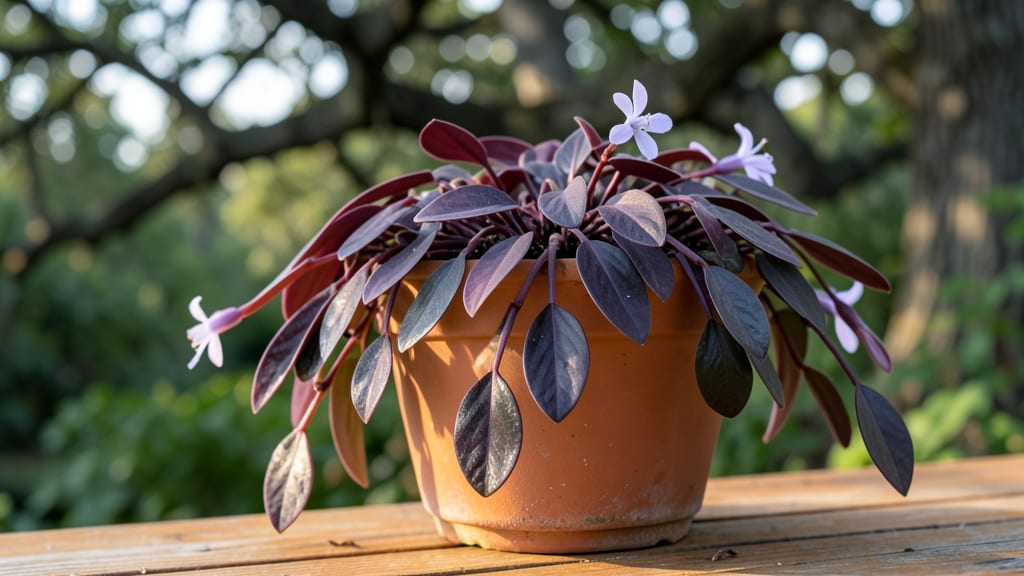
That vibrant purple flower creeping plant, creeping phlox, is the sun-loving ground cover that turns dull corners into showstoppers—still, I remember the first time I saw it spill over a rocky slope like fairy dust. the garden.
This hardy perennial spreads effortlessly, creating a velvety carpet of color that lasts from spring through summer.
What makes creeping phlox so magical is its versatility—it thrives in full sun, tolerates poor soil, and even handles drought once established. You can tuck it into rock gardens, edge flower beds, or let it cascade down slopes where other plants would fail.
The foliage stays evergreen in mild winters, adding year-round texture.
By late spring, you’ll have a sea of blooms that hum with bees and butterflies, followed by fresh green foliage that stays tidy with minimal pruning. The scent alone—sweet and slightly minty—will make you want to bury your nose in the flowers.
Best of all, it’s beginner-friendly and spreads faster than weeds (but in a good way).
Pair it with silver foliage plants like lamb’s ear or contrast it with deep green hostas for a striking visual effect. For slopes or steep banks, its trailing habit prevents erosion while adding color.
Once you plant it, you’ll wonder why you didn’t fill every sunny corner with it sooner.
📚 In This Guide
- What you need
- Instructions
- Tips and common mistakes
- Wrapping up and next steps
What you need
- ● Purple-flowered creeping plant (e.g., Lobelia erinus, Ajuga reptans, or Creeping Phlox) – 1-3 plants per 3-foot section (check spacing needs for your specific variety).
- ● Well-draining potting mix – 2-3 gallons (or enough to fill your planting area). Look for a blend labeled for annuals or perennials.
- ○ Slow-release fertilizer (10-10-10 or balanced formula) – 1 tbsp per plant (optional but recommended for extra vibrancy).
- ○ Mulch (optional but helpful) – 1 inch layer of shredded bark or compost to retain moisture.
- ● Garden trowel or hand shovel – For digging small holes.
- ● Gloves – To keep your hands clean and protected.
- ● Watering can or hose with a gentle spray nozzle – For even moisture distribution.
- ○ Pruning shears (optional) – For trimming overgrowth or shaping.
- ● Measuring tape or ruler – To ensure proper spacing (most creeping plants need 6-12 inches apart).
- ● A sunny spot (6+ hours of direct sunlight daily) or partial shade (depending on your plant variety—check tags!).
- ● An area with well-draining soil (amend heavy clay with compost if needed).
- ● Patience! Some creeping plants take a few weeks to establish and bloom fully. 💡 Pro tip: Start small—you can always expand later!
How to grow a stunning purple creeping ground cover
This vibrant spreader brings bold color and texture to sun-drenched gardens.
🌱 Step 1: Choose the Right Variety for Your Space
Select a purple-flowering creeping plant suited to your climate and sun exposure. Popular options include creeping phlox, purple periwinkle (Vinca), or creeping thyme with purple blooms. I always check the plant tag for mature spread size—some varieties like creeping phlox can reach 6 feet wide while others like Vinca stay more compact at 3-4 feet.
Consider your garden's conditions: full sun lovers like creeping phlox need at least 6 hours of direct sunlight daily, while Vinca tolerates partial shade. If your area gets intense afternoon sun, opt for heat-tolerant varieties like purple lantana that thrive in 80-90°F temperatures without wilting.
🪴 Step 2: Prepare the Planting Area
Clear the planting area of weeds and rocks, then loosen the soil to a depth of 6 inches using a garden fork. Amend heavy clay soil with 2-3 inches of compost to improve drainage and fertility. I like to work in a 5-10-10 fertilizer at planting time to give the roots an immediate nutrient boost.
For slopes or erosion-prone areas, create a 12-inch wide planting bed with slightly raised edges to contain the spread. Water the prepared soil thoroughly 24 hours before planting—this helps prevent transplant shock and encourages roots to establish faster.
☀️ Step 3: Plant and Establish the Ground Cover
Space plants 12-18 inches apart depending on the variety's mature spread. Dig holes just slightly larger than the root ball and place plants at the same depth they were growing in their containers. Gently firm the soil around the roots to eliminate air pockets, then water deeply to settle everything in place.
Mulch with 2 inches of shredded bark or pine needles to conserve moisture and suppress weeds. Avoid placing mulch directly against stems—keep it 2-3 inches away to prevent rot. The first few weeks are critical: keep soil consistently moist (not soggy) until you see new growth appearing within 3-4 weeks.
✂️ Step 4: Maintain for Year-Round Color and Health
Water established plants 1-2 times per week during dry spells, aiming for 1 inch of water per week. Most purple creeping plants are drought-tolerant once established, but they'll reward you with more vibrant blooms if kept slightly moist during hot weather. I always water in the early morning to reduce evaporation and fungal risks.
Deadhead spent flowers regularly to encourage continuous blooming. For aggressive spreaders like Vinca, trim back overgrowth in early spring to maintain your desired shape. Fertilize lightly in early spring with a balanced 10-10-10 formula—too much nitrogen will produce more leaves than flowers.
🌿 Step 5: Manage Spread and Prevent Overgrowth
Most purple creeping plants spread vigorously, so contain them by installing edging barriers if needed. For natural containment, plant them in sunken beds where they can spill over edges without encroaching on lawn areas. I find that creating a 3-foot wide border of creeping phlox works beautifully between perennial beds.
Divide mature plants every 3-4 years in early spring to rejuvenate growth. Simply dig up sections of the plant, separate the roots, and replant the healthiest divisions. This prevents the center from becoming bare and gives you free plants for other areas of your garden.
Tips & tricks for perfect purple flower creeping plant
Here's what I've learned after years of growing these vibrant plants—tricks that make all the difference between a struggling patch and a showstopping garden display.
Variety Selection Matters: Don't just grab any purple-flowering plant—check the mature spread size on the tag. That 6-foot-wide creeping phlox you love might quickly overwhelm a small garden. For tight spaces, Vinca stays compact at 3-4 feet while still delivering stunning purple blooms. I always measure my planting area first to avoid future headaches.
Soil Prep is Non-Negotiable: The 6-inch soil loosening in Step 2 isn't just about aesthetics—it creates the perfect environment for roots to establish. For heavy clay soil, I go the extra mile by mixing in 2-3 inches of compost and a handful of 5-10-10 fertilizer right in the planting hole. This gives roots a nutrient boost from day one, especially important for the first 3-4 weeks when new growth appears.
Watering Wisdom: That 24-hour pre-planting watering isn't just a suggestion—it's crucial. Dry soil can cause transplant shock, and you'll see new growth appear much faster when roots establish in moist conditions. After planting, keep soil consistently moist (not soggy) until you see those first signs of new growth around week 3 or 4. Morning watering is key—it reduces evaporation and fungal risks that can plague afternoon watering.
Spread Control Secrets: For aggressive spreaders like Vinca, I install edging barriers at planting time rather than waiting for problems. The 3-foot border I create between perennial beds gives me perfect containment while still letting the plants spill beautifully over edges. And when dividing mature plants every 3-4 years, I always replant the healthiest divisions—I've learned the hard way that weak sections just lead to more work later.
Pro Tips for Purple Flower Creeping Plant
- Here's what I've learned after years of growing these vibrant plants—tricks that make all the difference between a struggling patch and a showstopping garden display.
- Variety Selection Matters: Don't just grab any purple-flowering plant—check the mature spread size on the tag.
- Soil Prep is Non-Negotiable: The 6-inch soil loosening in Step 2 isn't just about aesthetics—it creates the perfect environment for roots to establish.
Frequently asked questions
Got questions about your purple flower creeping plant?
You’re not alone! Here are answers to the most common queries to help you grow a lush, vibrant ground cover with ease.
What’s the best purple creeping plant for full sun?
If you’re looking for sun-loving purple bloomers, consider Lobelia erinus (Trailing Lobelia) or Calibrachoa (Million Bells). Both thrive in full sun and produce stunning purple flowers. For a hardier option, Ajuga reptans (Bugleweed) offers deep purple foliage and spikes of lavender-blue flowers.
When is the ideal time to plant a creeping purple flower?
Plant your creeping purple ground cover in early spring (after the last frost) or early fall for best results. This gives roots time to establish before extreme heat or cold. If planting in summer, keep soil consistently moist and provide afternoon shade to reduce stress.
How often should I water a creeping purple flower plant?
Water deeply 1-2 times per week during the first growing season to encourage root growth. Once established, most creeping plants tolerate drought but may benefit from weekly watering in hot, dry climates. Pro tip: Mulch around the base to retain moisture and suppress weeds.
What pests commonly attack purple creeping plants, and how do I prevent them?
Watch for aphids, spider mites, or slugs, which can damage tender foliage. Prevent pests by:
- Spraying neem oil or insecticidal soap early in the season.
- Removing debris where pests hide.
- Hand-picking slugs at night (they’re most active then!).
Can I grow a purple creeping plant in containers?
Choose compact varieties like Petunia ‘Wave’ or Nierembergia (Cupflower) for containers. Use well-draining soil and a pot with drainage holes. Pro tip: Rotate containers occasionally for even sun exposure and prevent leggy growth.
How do I propagate a creeping purple flower plant?
Most creeping plants spread easily via stem cuttings or division. For cuttings:
- Snip a 3-4 inch stem tip with healthy leaves.
- Dip in rooting hormone (optional) and plant in moist potting mix.
- Keep humid and in indirect light until roots form (4-6 weeks).
Wrapping up and next steps
Transforming your garden with a purple flower creeping plant is easier—and more rewarding—than you think! These vibrant ground covers bring color, texture, and life to sunny spaces while requiring minimal effort.
Whether you’re a seasoned gardener or just starting, their hardiness and beauty make them a must-have for any outdoor space.
Ready to get started? Pick your favorite variety, gather your tools, and dive in—your garden will thank you! 🌸 For extra inspiration, explore companion plants or creative landscaping ideas to take your design to the next level.