
Flowers
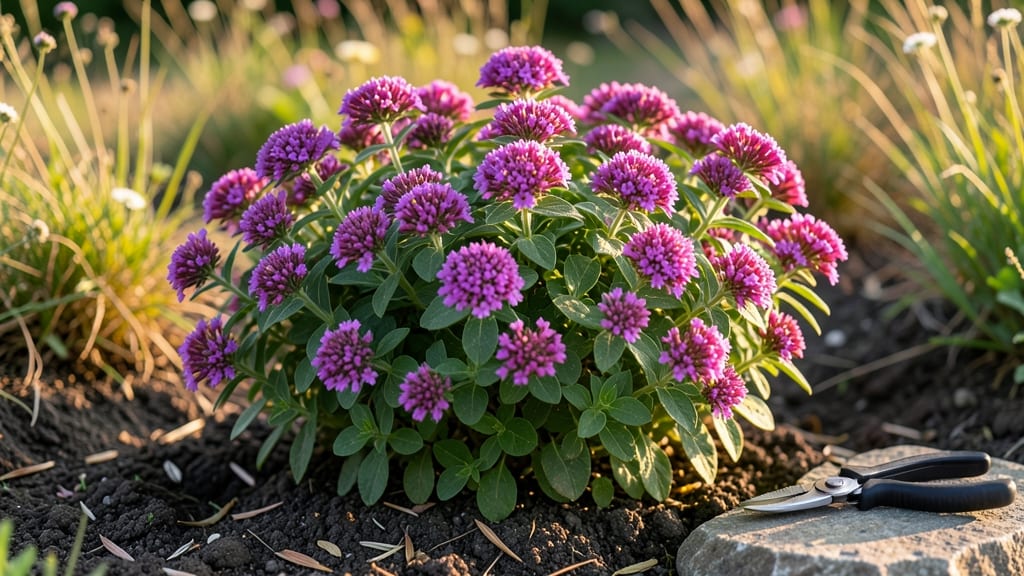
"Purple Wave flowers turn your garden into a velvety purple waterfall that never stops blooming. 🌸 I fell for these cascading beauties the first time I saw them spilling over a patio railing—like someone poured liquid amethyst into my yard.
The secret lies in their nonstop flowering habit, which keeps the drama going from spring through frost. They’re the kind of plant that makes neighbors pause and ask, ‘What is that?’—and the answer is ‘a pollinator magnet you’ll never regret.’
These flowers thrive in full sun to partial shade, making them perfect for borders, containers, or mixed pollinator gardens. Pair them with silver foliage plants like lamb’s ear for contrast, or let them tumble alongside salvias and verbena for a royal purple theme.
The key to their showstopping look? Pruning lightly after each flush of blooms—it keeps them bushy and encourages more of those lavender-purple cascades you crave. Even in winter, their glossy leaves add texture when other plants fade.
Imagine your front door framed by a spilling curtain of purple, humming with bees and butterflies all season. That’s the magic of Purple Wave—effortless drama that works in pots, hanging baskets, or as a groundcover.
The best part? They’re drought-tolerant once established, so you get that lush look without constant watering. Ready to make your garden the talk of the neighborhood? Let’s design around these showstoppers.
For extra impact, layer them with white or yellow blooms to make the purple pop even more. In containers, mix with trailing plants like sweet potato vine for a two-tiered waterfall effect.
And if you love color coordination, try planting them near blue salvia or purple fountain grass—they’ll create a harmonious purple family that’s pure garden poetry. The possibilities are endless, and your yard will thank you.
📚 In This Guide
- What you need
- Instructions
- Tips and common mistakes
- Wrapping up and next steps
What you need
- ● Purple Wave Flowers (e.g., Lantana camara, Petunia, or Salvia varieties) – Choose 3-5 plants per square foot for dense cascading effects. Opt for cold-hardy varieties if extending the season.
- ● Well-draining potting mix – 5-10 gallons, depending on container size. Mix in perlite or sand (20% volume) for aeration.
- ● Containers or garden beds – Hang baskets (12-18 inches wide), window boxes, or raised beds (minimum 6 inches deep). Ensure drainage holes are present!
- ● Slow-release fertilizer (10-10-10 or 14-14-14) – 1-2 tablespoons per plant at planting time.
- ● Organic mulch (e.g., shredded bark or coconut coir) – 1-2 inches to retain moisture and suppress weeds.
- ● Garden gloves – A pair to protect your hands from thorns or soil.
- ● Trowel or small shovel – For planting and transplanting.
- ● Watering can or hose with a gentle spray nozzle – Essential for consistent moisture, especially for cascading varieties.
- ● Pruning shears – Sharp, clean shears to trim dead blooms and shape plants.
- ○ pH testing kit (optional) – To ensure soil pH is between 6.0-7.0 for optimal growth.
- ● Sunlight access – Minimum 6 hours of direct sunlight daily for most purple wave flowers. Partial shade works for some varieties like Salvia.
- ● Climate considerations – Check your USDA hardiness zone. Cold-hardy varieties (e.g., Heuchera) thrive in zones 4-9, while tropical types need zones 10-11.
- ● Watering schedule – Commit to daily watering in hot climates or every other day in cooler conditions. Purple wave flowers hate soggy roots!
- ● Complementary flowers – Add white or silver foliage (e.g., Artemisia) to make purples pop!
- ● Decorative stakes or trellises – For taller varieties like Cleome to create vertical waves.
- ● Liquid bloom booster (e.g., fish emulsion) – 1-2 applications monthly for extra vibrant blooms.
- ● Automatic drip irrigation system – For hands-off watering (perfect for vacationers!).
Step-by-step guide to creating a stunning purple Wave flower display
Here's how to craft a breathtaking cascading garden with these showstopping purple blooms.
🌱 Step 1: Choose Your Purple Wave Varieties
Select 4-6 plants of Alternanthera dentata 'Purple Wave' for maximum visual impact. This trailing beauty thrives in full sun to partial shade, making it versatile for containers, hanging baskets, or garden borders. I always opt for 4-inch pots of established plants—they establish faster than seeds and begin cascading within weeks.
For year-round drama, pair with complementary plants: silver foliage like Helichrysum or chartreuse like Liriope muscari. The contrast makes the purple pop even more dramatically. Check plant tags for USDA hardiness zones—most Purple Wave varieties handle zones 9-11, but tender varieties need winter protection.
☀️ Step 2: Prepare the Perfect Planting Environment
Purple Wave craves well-draining soil with 6-8 hours of sunlight daily. In containers, mix 2 parts potting mix with 1 part perlite to prevent root rot. For in-ground plantings, amend native soil with 3 inches of compost and a handful of slow-release fertilizer—this ensures vibrant foliage and continuous blooms.
Here's the thing—watering is critical. Keep soil evenly moist but never soggy. You'll know it's right when the top ½ inch feels dry to the touch. Overwatering causes yellowing leaves, while underwatering makes foliage crispy. A self-watering container solves this perfectly if you travel often.
🪴 Step 3: Plant and Train for Maximum Cascade
Space plants 8-12 inches apart in containers or 18-24 inches apart in garden beds. Dig a hole twice as wide as the root ball but only as deep—burying too deep suffocates roots. Gently tease apart roots if crowded, then backfill with soil, pressing lightly to eliminate air pockets.
For dramatic trailing, tuck plants near container edges or at the lip of raised beds. In hanging baskets, let the stems cascade freely—never prune the main stems unless they're leggy. Instead, pinch back new growth to encourage bushier, fuller cascades. You'll see new purple-tipped shoots within 3-4 weeks of planting.
✂️ Step 4: Maintain for Year-Round Color
Deadhead spent blooms weekly to encourage nonstop flowering. Simply pinch off faded flowers with your thumb and forefinger—no tools needed. This simple step keeps plants blooming continuously from spring through frost. I also fertilize every 4-6 weeks with a balanced liquid fertilizer (10-10-10) during the growing season.
Watch for aphids or spider mites on the undersides of leaves—common pests for tender foliage. Spray with neem oil if you spot sticky residue or fine webbing. Purple Wave is drought-tolerant once established, but wilting leaves signal it's time to water. A mulch layer of 1-2 inches helps retain moisture and regulate soil temperature.
⏰ Step 5: Winterize for Year-Round Success
In colder climates, before first frost, move containers to a protected location or wrap plants in burlap. For in-ground plantings, cut back stems by ⅓ and apply a 2-inch layer of mulch. Purple Wave is tender perennially, so it won’t survive freezing temps—but with proper care, it returns bigger and bushier each spring.
Here's my pro tip: Take cuttings in late summer to propagate new plants. Snip 4-inch stem sections, strip lower leaves, and root in water. You’ll have ready-to-plant cuttings in 3-4 weeks—free plants for next year’s display!
Tips & tricks for perfect purple Wave flower displays
Creating a showstopping Purple Wave display is all about maximizing those stunning cascades—here's how to elevate your garden drama.
Lighting Strategy: Purple Wave thrives with 6-8 hours of sunlight daily, but morning sun is ideal to prevent leaf scorch. If planting in partial shade, choose a spot with at least 4 hours of direct light—this ensures vibrant purple foliage rather than greenish tones. I've found that south-facing containers get the most dramatic color development. For indoor displays, place near bright windows or supplement with grow lights for 6 hours daily.
Soil Science: The 2 parts potting mix to 1 part perlite ratio creates perfect drainage while retaining enough moisture. For heavier soils, add ½ cup of coarse sand per gallon of mix to prevent root rot. I always test soil moisture by sticking my finger ½ inch deep—if it feels dry, it's time to water. Pro tip: Add a handful of orchid bark to your mix for extra aeration in containers.
Pruning Secrets: The key to bushier cascades is pinching back new growth just above leaf nodes. Do this every 4-6 weeks during the growing season to encourage branching. Never cut into main stems unless they're leggy—this disrupts the plant's natural trailing pattern. For hanging baskets, let stems grow long before pinching to create dramatic waterfalls of purple.
Winter Survival Hack: Before first frost, move containers to an unheated garage or under a covered porch where temps stay above 30°F. For in-ground plants, cut back stems by ⅓ and mound soil around the base to insulate roots. I've successfully overwintered Purple Wave in zone 8 by using thick burlap wraps and straw mulch—it returns even more vigorous the following spring.
Pro Tips for Purple Wave Flowers
- Creating a showstopping Purple Wave display is all about maximizing those stunning cascades—here's how to elevate your garden drama.
- Lighting Strategy: Purple Wave thrives with 6-8 hours of sunlight daily, but morning sun is ideal to prevent leaf scorch.
- Soil Science: The 2 parts potting mix to 1 part perlite ratio creates perfect drainage while retaining enough moisture.
Frequently asked questions
Got questions about purple wave flowers? You’re not alone! Whether you’re a seasoned gardener or just starting out, these vibrant blooms can raise a few curiosities. Here are some of the most common questions—and answers—to help you grow the perfect purple cascades in your garden.
What’s the best way to plant purple wave flowers for maximum impact?
Plant them in well-draining soil with partial to full sun exposure (6+ hours of light daily). For a dramatic effect, cluster 3-5 plants together in hanging baskets or along slopes. Mulch lightly to retain moisture and prevent weeds. Pro tip: Use a slow-release fertilizer at planting to give them a nutrient boost!
When is the ideal time to plant purple wave flowers?
These flowers thrive in spring or early fall when temperatures are mild (50–75°F). Avoid planting in extreme heat or frost, as they’re sensitive to temperature shocks. If you’re in a warm climate, you can plant year-round, but spring is still the sweet spot for the best blooms!
How do I keep purple wave flowers blooming all season?
Consistent watering (keep soil lightly moist but not soggy) and regular deadheading (removing spent blooms) encourage non-stop flowers. Feed them every 4–6 weeks with a balanced liquid fertilizer. Bonus: Prune leggy stems in early spring to promote bushier growth and more vibrant blooms!
Can I grow purple wave flowers in containers or hanging baskets?
They’re perfect for containers, especially trailing varieties. Use a pot with drainage holes and a mix of potting soil and perlite for aeration. For hanging baskets, choose a lightweight container and let the stems cascade freely. Just ensure they get enough sunlight—even indoors near a bright window!
Why are my purple wave flowers wilting or turning yellow?
Wilting often signals underwatering or overwatering, while yellow leaves usually mean nutrient deficiency or root rot. Check soil moisture (stick your finger in—top inch should be dry). If roots look mushy, repot in fresh soil. Quick fix: Adjust watering and fertilize lightly to revive them!
Are there any low-maintenance alternatives to purple wave flowers?
If you want similar drama with less fuss, try lobelia (blue/purple spills), fuchsia (trailing blooms), or petunias (long-lasting color). All thrive in containers and offer cascading beauty. Just match their sun/water needs to your growing conditions!
Wrapping up and next steps
Ready to transform your garden into a stunning purple paradise? Purple Wave flowers bring year-round drama with their vibrant hues and low-maintenance charm—perfect for adding a bold, cheerful touch to any outdoor space.
Whether you’re a seasoned gardener or just starting out, these cascading beauties are your ticket to effortless elegance.
🌸 Next steps: Grab your gardening gloves, pick your favorite Purple Wave variety, and start planting! Need inspiration? Browse our design ideas or check out our care tips to keep your garden thriving all season long.