
Flowers
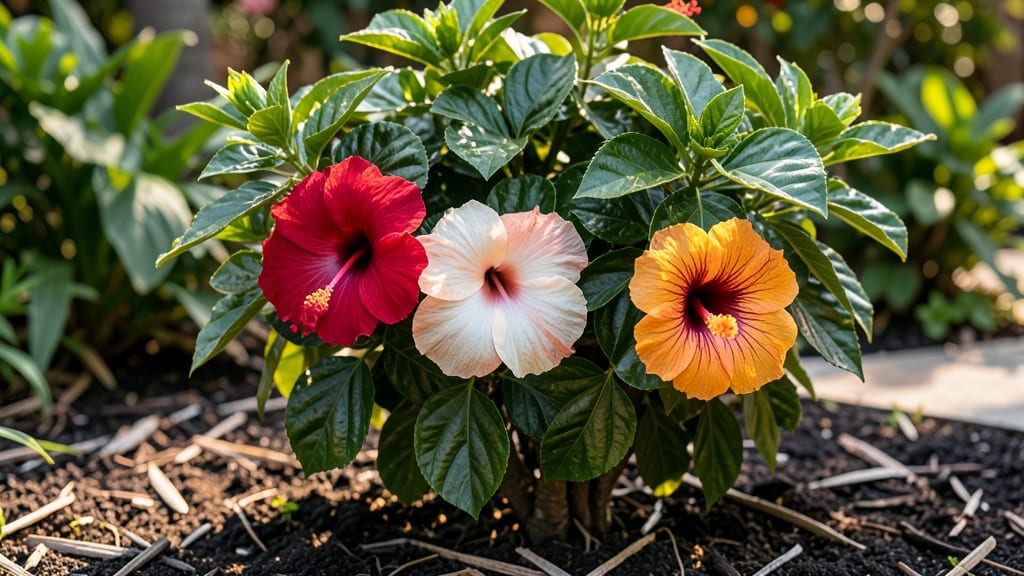
The rainbow hibiscus flower turns any garden into a living watercolor painting with its jewel-toned petals that shift from pink to purple to blue as they age.
I still remember the first time I saw one—it looked like a tropical dream had been dropped into my backyard, and I knew I had to have it. This isn’t just a plant; it’s a statement piece that demands attention with its vibrant, ever-changing blooms.
Perfect for gardeners who love drama without fuss, the rainbow hibiscus thrives in warm climates but can also be grown as an annual in cooler zones.
Its glossy leaves add lush texture, while the flowers bloom continuously from spring through fall, making it a year-round eye-catcher in mixed borders or as a standalone focal point. Pair it with silver foliage plants like dusty miller or deep greens like hostas to let its colors truly pop.
Imagine a cottage garden bursting with soft pinks and purples, or a modern container arrangement where the hibiscus steals the show against sleek greenery. The key is playing with height—place taller varieties at the back and shorter ones in front to create depth.
With just a few strategic cuts, you can encourage even more blooms, turning your garden into a living rainbow that neighbors will envy.
Whether you’re designing a tropical oasis or a low-maintenance patio display, this hibiscus adapts beautifully. The secret? Let it shine—it doesn’t need companions to steal attention, but it loves sharing space with other sun-loving plants. Ready to transform your garden into a vibrant masterpiece?
📚 In This Guide
- What you need
- Instructions
- Tips and common mistakes
- Wrapping up and next steps
What you need
- ● Rainbow hibiscus plant: Choose a healthy nursery-grown specimen (or seeds if starting from scratch). Opt for a Hibiscus rosa-sinensis variety with multicolored blooms (e.g., 'Rainbow', 'Lava Flow', or 'Tropical Sunset').
- ● Well-draining potting mix: 5–10 gallons, depending on pot size. Use a blend of 50% peat moss or coconut coir, 30% perlite or vermiculite, and 20% compost for optimal aeration.
- ● Container or garden bed: Pots: 12–18" diameter with drainage holes (terracotta or fabric pots work best).
- ● Garden spot: Full sun (6+ hours daily) and slightly acidic soil (pH 6.0–6.5). Amend clay soil with organic matter for better drainage.
- ● Fertilizer: Balanced 10-10-10 NPK or organic fish emulsion (apply every 4–6 weeks during growing season).
- ● Pruning shears: Sharp, sterilized shears for trimming dead blooms or shaping the plant.
- ● Gloves: Heavy-duty gardening gloves to protect hands from thorns.
- ● Mulch: Pine bark or straw (2–3 inches) to retain moisture and regulate soil temp.
- ● Support stake or trellis: For taller varieties (e.g., 'Rainbow' can grow 6–10 ft tall).
- ○ pH test kit: To monitor soil acidity (optional but helpful for troubleshooting yellowing leaves).
- ● Humidity tray or pebble tray: For indoor plants to mimic tropical conditions.
- ● Access to full sun (or a grow light for indoor setups).
- ● Patience! Rainbow hibiscus thrives in USDA Zones 10–11 but can be grown as an annual or overwintered indoors in cooler climates.
- ● Consistent watering routine (keep soil evenly moist but not soggy).
Step-by-step guide to cultivating rainbow hibiscus for stunning year-round color
Here's how I grow vibrant rainbow hibiscus that bloom continuously—no matter the season.
🌱 Step 1: Choose the Right Location and Soil
Rainbow hibiscus thrives in full sun—at least 6-8 hours daily—so pick the sunniest spot in your garden. If you're in a cooler climate, a south-facing wall or patio works best. The soil needs to drain well; hibiscus roots hate soggy feet. I always mix 2 parts garden soil with 1 part perlite to keep moisture balanced. Test your spot before planting: dig a small hole, fill it with water, and wait. If water drains within 30 minutes, you're good to go.
Here's the thing—rainbow hibiscus loves warmth. If your area dips below 50°F at night, plant in containers so you can move them indoors during cold snaps. I've seen these plants wilt dramatically overnight when temperatures drop unexpectedly. A little prevention saves a lot of heartache later.
🪴 Step 2: Plant with Care for Strong Root Development
Dig a hole twice as wide as the root ball but no deeper. Hibiscus roots spread horizontally, so give them room to stretch. Gently loosen the roots if they're circling in the pot—this encourages outward growth. Place the plant in the hole so the top of the root ball sits just below soil level. I always check this by comparing it to the plant's original soil line in the pot.
Fill the hole with soil and tamp it lightly around the base. Water deeply until it drains through the bottom. You'll know you've done it right when the soil looks settled and the plant stands upright without leaning. Avoid compacting the soil too firmly—hibiscus roots need air to breathe. If you're planting in containers, use a pot at least 18 inches wide to accommodate their sprawling nature.
☀️ Step 3: Water Consistently and Fertilize for Continuous Blooms
Water your rainbow hibiscus deeply 2-3 times per week, depending on your climate. The key is to keep the soil evenly moist but not waterlogged. You'll see the difference: too little water causes buds to drop, while too much leads to yellowing leaves. Stick your finger 2 inches into the soil—if it feels dry, it's time to water. In containers, you may need to water daily during hot spells.
Feed your plants every 4-6 weeks with a balanced, water-soluble fertilizer (10-10-10 works well). I switch to a low-nitrogen, high-phosphorus formula (like 5-10-5) when buds start forming to encourage more blooms. Always water before fertilizing to prevent root burn. You'll notice a difference within 2-3 weeks: stronger stems, glossier leaves, and more vibrant flowers.
✂️ Step 4: Prune and Maintain for Healthy Growth
Prune your hibiscus after the first frost or in early spring to shape the plant and encourage new growth. Cut back one-third of the plant's height, focusing on removing dead or weak stems. Always prune just above a leaf node—this is where new growth will sprout. I use clean, sharp pruners to avoid tearing the stems, which can invite disease.
Deadhead spent blooms regularly to keep the plant producing new flowers. Pinch off flowers that have faded or are turning brown at the base. This might seem counterintuitive, but it redirects the plant's energy toward fresh blooms. You'll see a surge in new flowers within 2-3 weeks of consistent deadheading. Also, watch for any leaves with yellow or brown spots—this could signal a fungal issue, and you'll want to treat it quickly with a copper fungicide.
⏰ Step 5: Protect and Overwinter for Year-Round Beauty
If you're in a colder climate, bring potted hibiscus indoors before temperatures drop below 40°F. Place them near a south-facing window or under grow lights for 12-14 hours daily. Reduce watering to once a week and avoid fertilizing during this time. You'll notice the plant slows down, but don't worry—it's entering a dormant phase.
For outdoor plants, mulch the base with 2-3 inches of organic mulch to insulate the roots. I use straw or shredded leaves because they break down slowly and retain moisture. If you live in USDA zones 9-11, your hibiscus can stay outdoors year-round with minimal care. Just keep an eye on it during unexpected cold snaps—these plants are tough but not invincible.
Tips & tricks for growing rainbow hibiscus with year-round color
Common pitfalls—and how to sidestep every one when growing these stunning tropical plants.
Sunlight Strategy: The 6-8 hours of daily sun requirement is non-negotiable, but here's what I've learned: if your location gets intense afternoon sun, provide some afternoon shade during peak summer months (1-3 PM). I use shade cloth for this—it prevents leaf scorch while still letting in plenty of light. You'll notice the difference in leaf health after just a few weeks of protection during those hot hours.
Soil Test Hack: That 30-minute drainage test is crucial, but I take it a step further by mixing in a handful of sand (not fine beach sand—coarse horticultural sand) along with the perlite. This creates even better drainage while still holding moisture. I've seen plants struggle in pure perlite mixes where nutrients wash out too quickly.
Frost Prevention: When nighttime temperatures dip below 50°F, I don't just move potted plants indoors—I also wrap them in burlap sacks for extra protection. This creates a microclimate that maintains warmth around the plant. For outdoor plants, I've had success with frost blankets draped over them, secured with stakes. The key is to remove these covers during the day to prevent overheating.
Fertilizer Timing: The 4-6 week feeding schedule works, but I've found that switching to the high-phosphorus formula when I see the first buds forming makes all the difference. Here's my trick: mix a small amount of the high-phosphorus fertilizer with water and use it as a foliar spray on the leaves. This gives an immediate boost to flower production while the roots absorb the nutrients through the soil.
Pro Tips for Rainbow Hibiscus Flower
- Common pitfalls—and how to sidestep every one when growing these stunning tropical plants.
- Sunlight Strategy: The 6-8 hours of daily sun requirement is non-negotiable, but here's what I've learned: if your location gets intense afternoon sun, provide some afternoon shade during peak summer months (1-3 PM).
- Soil Test Hack: That 30-minute drainage test is crucial, but I take it a step further by mixing in a handful of sand (not fine beach sand—coarse horticultural sand) along with the perlite.
Frequently asked questions
Why does my rainbow hibiscus have duller colors than the pictures?
The rainbow hibiscus (Hibiscus rosa-sinensis) thrives in full sun—at least 6–8 hours daily. If your petals lack vibrancy, it might be shading or nutrient deficiency. Boost sunlight exposure and fertilize with a balanced, phosphorus-rich formula (like 10-10-10) every 4–6 weeks during blooming season. Pro tip: Prune leggy growth to encourage bushier, sun-kissed foliage!
How long does it take for rainbow hibiscus to flower after planting?
Patience is key! With ideal conditions (warmth, sun, and consistent watering), you’ll typically see first blooms in 6–12 months. Younger plants may take longer, but mature bushes (3+ years old) can flower year-round in tropical climates or spring through fall in cooler zones. Troubleshoot: If blooms are sparse, check for underwatering or over-fertilizing with nitrogen (which promotes leaves over flowers).
Can rainbow hibiscus survive winter? What’s the best way to protect it?
These tropical beauties are not frost-hardy—they’ll die back in temps below 30°F (-1°C). In colder climates, dig up potted plants or mulch heavily and wrap the base with burlap. For in-ground plants, prune back and cover with straw or frost cloth. Bonus: Many gardeners treat them as annuals in Zone 9 and below, replanting each spring for fresh blooms!
Are there drought-tolerant varieties of rainbow hibiscus?
While no variety is truly drought-proof, some rainbow hibiscus cultivars (like ‘Lime Green’ or ‘Cotton Candy’) handle light drought better than others. To improve resilience:
- Water deeply 2–3 times per week (drought = wilted leaves, dropped buds).
- Amend soil with organic matter (compost) to retain moisture.
- Mulch with 3–4 inches of wood chips to lock in humidity.
Do rainbow hibiscus attract pollinators like hummingbirds?
Absolutely!
Their bright colors and nectar-rich blooms are a magnet for hummingbirds, bees, and butterflies. Plant near other pollinator-friendly flowers (like salvias or fuchsias) to create a year-round buffet. Fun fact: Hummingbirds love the ‘Red Heart’ variety—its deep red center mimics natural feeding spots!
Where’s the best place to buy rainbow hibiscus plants?
Start with reputable local nurseries (they often carry healthy, acclimated stock). Online options like Etsy, The Sill, or Fast-Growing-Trees ship well-rooted plants, but check reviews for shipping damage. Pro move: Buy bare-root plants in early spring for the best transplant success—just soak roots in water for 1–2 hours before planting!
Wrapping up and next steps
The rainbow hibiscus flower isn’t just a burst of color—it’s a statement of joy, resilience, and effortless beauty for your garden. Whether you’re drawn to its striking blooms, low-maintenance care, or year-round drama, this tropical gem proves that vibrant gardening is within everyone’s reach. 🌈
Ready to transform your outdoor space? Start small—plant a single rainbow hibiscus in a sunny spot and watch it thrive. Or dive deeper: experiment with companion plants, share tips with fellow gardeners, or even propagate your own! Every petal is a step toward a garden that feels alive.