
Flowers
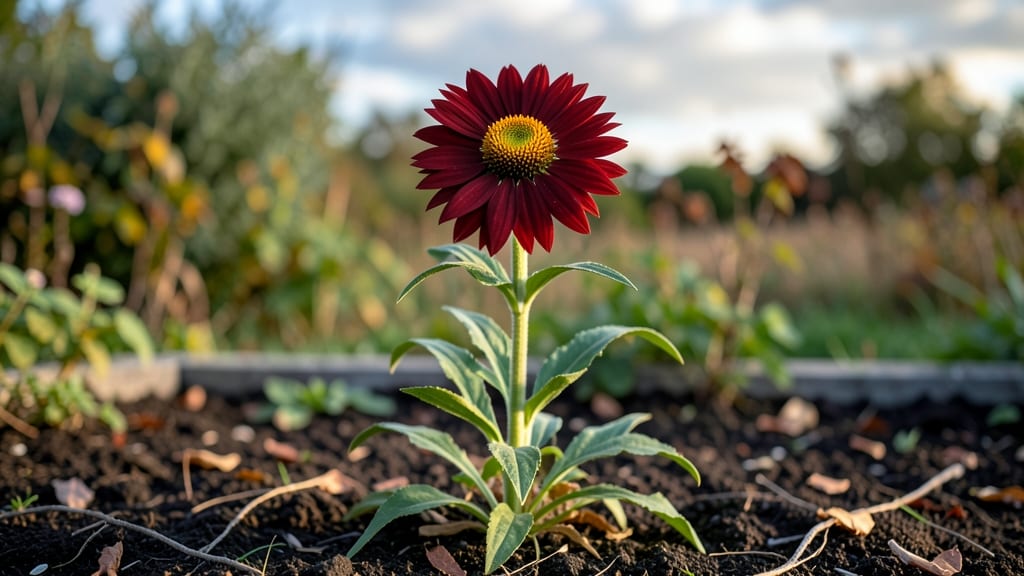
The red flower with yellow center isn’t just pretty—it’s a pollinator superstar that turns any garden into a buzzing, blooming hotspot. 🌻 I’ve seen bees and butterflies flock to these bold striped beauties like they’re a five-star buffet, and the contrast makes them stand out in every border or pollinator patch.
Black-eyed Susans, coreopsis, and certain dahlias all fit this description, and they’re tough enough to handle sun, drought, and even less-than-perfect soil. Plant them in clusters for maximum impact, or mix them with purple coneflowers and salvia for a color show that lasts from summer through fall.
The yellow centers add a cheerful pop that brightens even the gloomiest corner.
You’ll love how these flowers bring life to your space—whether you’re creating a wildflower meadow, a low-maintenance border, or a cut-flower garden. Their long blooming season means fresh bouquets all summer, and their hardy nature means fewer headaches for you.
Plus, they symbolize encouragement and joy, which is a great reminder every time you see them thriving.
Pair them with ornamental grasses for texture, or add some lavender for fragrance and pollinator appeal. For late-season color, try planting them near chrysanthemums—they’ll take over just as the red-and-yellow stars start to fade. The possibilities are endless, and the results are always stunning.
📚 In This Guide
- What you need
- Instructions
- Tips and common mistakes
- Wrapping up and next steps
What you need
- ● Seeds or bulbs: Choose Rudbeckia hirta (Black-Eyed Susan), Coreopsis, or Gaillardia (Blanket Flower) for vibrant red-and-yellow blooms. Purchase from a reputable nursery or online seed store (10–20 seeds/bulbs per plant).
- ● Well-draining potting mix: 5–10 gallons, depending on container size (or garden soil amended with compost for in-ground planting).
- ● Containers or garden bed: For containers: 12–18" diameter pots with drainage holes (1–2 plants per container).
- ● For in-ground: Full sun exposure (6+ hours/day) and loose, fertile soil.
- ● Watering can or hose with gentle spray nozzle: For consistent moisture without over-saturating.
- ○ Fertilizer (optional but recommended): Balanced granular fertilizer (10-10-10) or slow-release pellets.
- ● OR organic options like compost tea or worm castings.
- ● Garden trowel or small shovel: For transplanting seedlings or bulbs.
- ● Pruning shears: To deadhead spent blooms and encourage regrowth.
- ○ Gloves (optional): Protect your hands from thorns (common in Gaillardia) or soil.
- ○ Mulch (optional): 2–3 inches of straw or shredded leaves to retain moisture and suppress weeds.
- ● Knowledge of your hardiness zone: Most red-and-yellow center flowers thrive in zones 3–10 (check seed packets for specifics!).
- ● 🌡️ Timing: Start seeds indoors 6–8 weeks before the last frost, or sow directly in spring after soil warms to 60°F+.
- ● ✨ Pollinator boost: Plant in clusters (3+ plants) to create a "flower buffet" for bees and butterflies!
- ● 🎯 Soil pH: Aim for slightly acidic to neutral (6.0–7.0); test your soil if unsure.
Step-by-step guide to cultivating a striking red-and-yellow pollinator garden
Here's how to create a vibrant, bee-friendly display using bold striped blooms that thrive in any sunny spot.
🌱 Step 1: Select the Perfect Red-and-Yellow Flower Varieties
Start with Black-Eyed Susan (Rudbeckia) or Mexican Sunflower (Tithonia) for their classic red-and-yellow centers. These perennials and annuals attract bees, butterflies, and hummingbirds while offering long bloom seasons. I always plant Rudbeckia 'Goldsturm' for its golden-yellow petals with deep red centers—it's a pollinator powerhouse that self-seeds reliably.
For a taller accent, Tithonia rotundifolia reaches 6 feet with fiery red petals and bright yellow centers. Pair it with Coreopsis 'Zagreb' for a cascading mix of red and yellow. Check your hardiness zone to match plants with your climate—some varieties thrive in USDA zones 3-9, while others need warmer conditions.
☀️ Step 2: Prepare the Planting Site for Maximum Blooms
Choose a location with full sun (6+ hours daily)—these flowers need intense light to develop their bold colors. Clear the area of weeds and loosen soil to a depth of 12 inches with a garden fork. Amend with 2-3 inches of compost to improve drainage, especially if your soil is heavy clay.
I always test soil pH first—these flowers prefer slightly acidic to neutral (6.0-7.0). If your soil is too alkaline, mix in sulfur or peat moss to adjust. Space plants 18-24 inches apart for airflow, which prevents fungal diseases like powdery mildew that can dull their vibrant hues.
💧 Step 3: Plant and Water for Strong Root Establishment
Dig holes twice as wide as the root ball but no deeper. Gently remove plants from their containers and tease apart roots if they're circling. Place each plant in its hole, ensuring the top of the root ball sits level with the soil surface—burying too deep suffocates stems, while planting too high stresses roots.
Water deeply immediately after planting to settle the soil and eliminate air pockets. Use 1-2 gallons per plant to encourage roots to spread outward. Mulch with 2 inches of shredded bark to retain moisture and suppress weeds—just keep mulch 3 inches away from stems to prevent rot.
✂️ Step 4: Maintain for Continuous Blooms and Pollinator Traffic
Deadhead spent blooms weekly by pinching off faded flowers just above the next set of leaves. This redirects energy to new growth and extends the flowering season. I always wear gloves—some varieties like Tithonia have sap that can irritate skin.
Fertilize lightly once a month during the growing season with a balanced 10-10-10 formula. Too much nitrogen produces lush foliage but fewer flowers. Watch for aphids or Japanese beetles—spray with neem oil if you spot clusters on new growth. These flowers are tough but reward consistent care with nonstop color from summer to frost.
🪴 Step 5: Extend the Season with Strategic Planting
For a year-round display, stagger plantings every 2-3 weeks from spring to early summer. Succession planting ensures fresh blooms when others fade. In cooler climates, Rudbeckia often returns year after year, while Tithonia self-seeds generously—just thin seedlings to 12 inches apart in spring.
In containers, choose compact varieties like Rudbeckia 'Cherokee Sunset' for 12-inch pots. Use a fast-draining mix with 50% perlite to prevent soggy roots. Move pots to partial shade in late afternoon during extreme heat—wilting can occur if roots overheat.
Tips & tricks for perfect red-and-yellow pollinator gardens
Here's what nobody tells you about creating a garden that buzzes with life—and stays vibrant all season.
Variety Matters: Don't just plant one type of red-and-yellow flower. Mix Rudbeckia 'Goldsturm' with Coreopsis 'Zagreb' for continuous color from early summer to frost. I've seen gardens where one variety fades before another even begins blooming—this creates a seamless transition that pollinators absolutely adore. The key is planting them in clusters of 3-5 plants per variety to ensure they attract bees consistently throughout the season.
Soil Science: That 6.0-7.0 pH range isn't just a suggestion—it's critical for vibrant colors. I've tested soil in gardens where the reds appeared dull and yellows washed out, only to discover pH levels above 7.5. If your soil tests alkaline, don't just add compost—mix in elemental sulfur at a rate of 1 pound per 100 square feet and retest in 6 weeks. The color difference is dramatic once you get it right.
Watering Wisdom: Those 1-2 gallons per plant should go directly to the root zone, not the foliage. I learned this the hard way when my first garden suffered from powdery mildew—watering overhead created perfect conditions for fungal spores. Use a soaker hose or drip irrigation system to deliver water slowly at the base. In containers, make sure the 12-inch pots have drainage holes and never let them sit in saucers of water.
Container Care: For potted Rudbeckia 'Cherokee Sunset', remember that containers dry out faster than garden beds. Check moisture daily during heatwaves—stick your finger 1 inch into the soil. If it's dry, water until it runs out the drainage holes. The 50% perlite mix is non-negotiable—it prevents the roots from sitting in soggy soil, which can cause root rot and dull those vibrant colors we're all after.
Pro Tips for Red Flower With Yellow Center
- Here's what nobody tells you about creating a garden that buzzes with life—and stays vibrant all season.
- Variety Matters: Don't just plant one type of red-and-yellow flower.
- Soil Science: That 6.0-7.0 pH range isn't just a suggestion—it's critical for vibrant colors.
Frequently asked questions
Got questions about that eye-catching red flower with a yellow center? You’re not alone! Whether you’re curious about care, identification, or creative uses, we’ve got answers. Here are some of the most common queries—plus quick tips to keep your pollinator magnet thriving.
What are some common flowers with red petals and yellow centers?
Popular picks include Black-Eyed Susans (Rudbeckia hirta), Mexican Sunflowers (Tithonia rotundifolia), and Daylilies (Hemerocallis). Zinnias and Marigolds (like the ‘Jingle Bells’ variety) also fit the bill! Check your local nursery for region-specific favorites.
When is the best time to plant these flowers?
Timing depends on your climate, but most thrive when planted in early spring (after the last frost) or late summer (6–8 weeks before the first frost). For annuals like zinnias, sow seeds directly in warm soil (60°F+). Perennials, like daylilies, can handle cooler temps—just avoid freezing ground.
How often should I water a red-and-yellow flower?
Water deeply 1–2 times per week, aiming for 1 inch of water total. Newly planted flowers need more frequent watering (every 2–3 days) until established. Morning watering is ideal—it reduces fungal risks and gives plants a hydration boost for the day. Mulch around the base to retain moisture!
Why aren’t bees visiting my red-and-yellow flowers?
Bees love these colors, but a few factors might deter them: lack of water nearby, pesticide use, or overcrowded blooms (prune to improve access). Try planting companion flowers like lavender or basil to attract pollinators. If blooms are sparse, fertilize lightly with a low-phosphorus mix (like 10-10-10) to encourage more flowers.
Can I use these flowers in bouquets or dried arrangements?
Zinnias and Mexican Sunflowers dry beautifully—hang them upside down in a dark, dry space for 1–2 weeks. For fresh bouquets, pair them with greenery like eucalyptus or purple statice for contrast. Pro tip: Trim stems at an angle and change water every 2 days to extend vase life.
What pests should I watch for with these flowers?
Common culprits include aphids (sap-sucking insects), Japanese beetles (skeletonizing leaves), and slugs (chewed petals). For mild infestations, spray with neem oil or introduce beneficial nematodes. Handpick beetles early in the day when they’re sluggish. Prevention tip: Remove spent blooms to reduce hiding spots!
Wrapping up and next steps
From the vibrant red flower with yellow center to its role as a pollinator magnet, this striking bloom isn’t just a feast for the eyes—it’s a lifeline for bees, butterflies, and hummingbirds! 🌸 Whether you’re cultivating it in your garden or simply admiring its bold beauty, you’re supporting local ecosystems while adding a pop of color to your space.
Ready to bring more of this eye-catching charm into your world? Start by planting a few in your garden, sharing tips with fellow gardeners, or even gifting one to a friend who loves nature. Every step counts—happy gardening! 🌿✨