
Pests
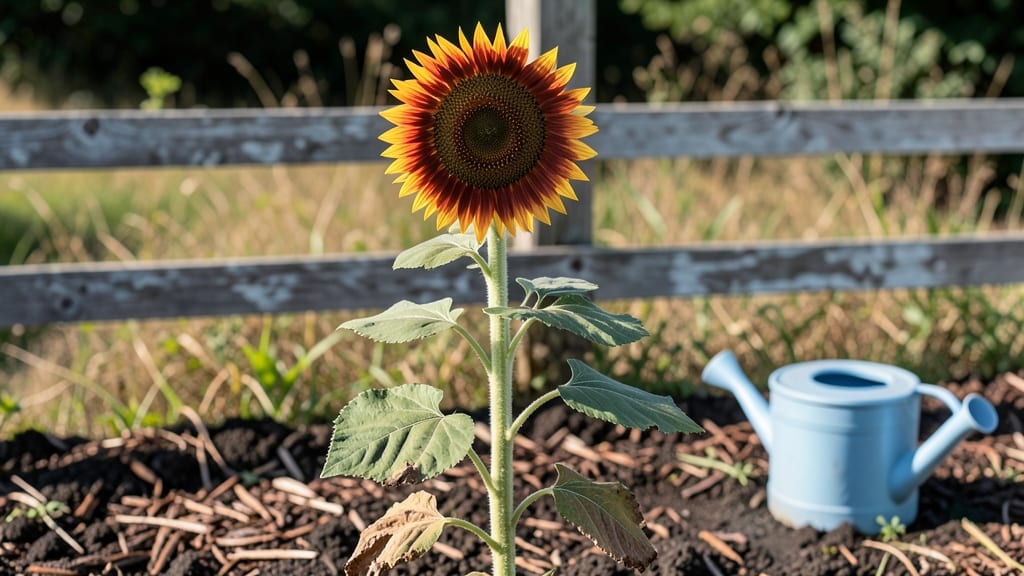
Nothing says summer like a field of reddish orange sunflowers swaying in the breeze—except that these fiery blooms actually thrive from late spring through frost. 🌻 I planted mine along my back fence last year, and they became the star of every sunset, drawing hummingbirds and bees like a magnet.
The secret isn’t just their color; it’s how they work in a design—adding warmth to cool blues, contrasting sharply with deep purples, and even brightening winter when dried.
These sunflowers aren’t picky about placement either. Use them as bold borders to frame a path, as a dramatic focal point near the house, or tucked into mixed beds where their height (up to 5 feet) adds vertical drama.
Pair them with salvias for a hummingbird haven, or let them stand alone in a single-species patch for maximum impact. Their long bloom time means you’ll have color when most gardens fade to brown.
What really sold me was how they perform year-round—fresh in summer, dried for winter arrangements, and even winter interest when left on stalks. The seeds alone attract birds, turning your garden into a four-season show.
Start with 3-5 plants in a cluster for instant drama, and watch your space transform from ordinary to extraordinary.
Here’s the best part: they’re foolproof for beginners. Plant in well-drained soil, give them full sun, and water consistently until established. No fuss, just stunning results that keep giving. Ready to make your garden the talk of the neighborhood?
📚 In This Guide
- What you need
- Instructions
- Tips and common mistakes
- Wrapping up and next steps
What you need
- ● Seeds: 10–20 reddish orange sunflower seeds (non-GMO, heirloom preferred).
- ● Well-draining soil: 1–2 bags of potting mix (or garden soil amended with compost).
- ● Containers or garden bed: For containers: 5–10 gallon pots (1 per plant, with drainage holes).
- ● For garden beds: Full sun (6+ hours/day) and loose, fertile soil.
- ● Watering can or hose: With a gentle spray nozzle.
- ○ Fertilizer (optional): Balanced 10-10-10 or organic compost (1 tbsp per plant at planting).
- ● Gloves: Garden or work gloves (to protect from prickly stems).
- ● Trowel or small shovel: For planting seeds or transplanting seedlings.
- ○ Mulch (optional): Straw or shredded leaves to retain moisture and suppress weeds.
- ● Pest control (if needed): Neem oil or insecticidal soap (for aphids or spider mites).
- ● Row covers (to deter early pests like cutworms).
- ○ Stake or cage (optional): For tall varieties (e.g., 6–8 ft), use 3–4 ft stakes to support stems.
How to grow stunning reddish orange sunflowers that attract pollinators
Here's my go-to method for growing sunflowers that bloom boldly and keep bees buzzing all season.
🌱 Step 1: Choose the Right Spot and Prepare the Soil
Sunflowers need full sun—at least 6-8 hours daily—so pick the sunniest location in your yard. I always test the soil first by digging a small hole and checking moisture: if it feels dry after a day, your soil drains too fast and needs organic matter. Mix in 2-3 inches of compost to improve fertility and water retention.
The reason we amend the soil is simple: sunflowers are heavy feeders, and poor soil leads to weak stems that flop under their own weight. Work the compost into the top 6-8 inches of soil, breaking up any clumps. This ensures roots have room to spread and access nutrients as they grow.
🌱 Step 2: Plant Seeds at the Correct Depth and Spacing
Sow seeds ½ inch deep and 6 inches apart in rows that are 18-24 inches apart. I like to plant 4 seeds per hole and thin later—it accounts for uneven germination and gives me backup plants. Press the soil gently around each seed to ensure good contact, but don’t compact it too tightly.
Here’s the thing—sunflower seeds germinate best in warm soil. Wait until the soil temperature reaches 60°F before planting. You’ll know it’s ready when the ground feels warm to the touch in the afternoon. If you plant too early, seeds may rot instead of sprouting.
☀️ Step 3: Water Deeply and Maintain Consistent Moisture
Water immediately after planting to settle the soil around the seeds. Then, keep the soil evenly moist but not soggy—sunflowers hate wet feet. I water deeply 1-2 times per week, aiming for 1 inch of water per week. Let the top 2 inches of soil dry out between waterings to prevent fungal diseases.
Once seedlings emerge, watch for first true leaves (the second set after the initial seed leaves). That’s your cue to thin to the strongest plant per hole. Use scissors to snip weaker seedlings at the base—pulling can disturb roots of remaining plants.
✂️ Step 4: Support Tall Varieties and Deadhead for Longer Blooms
If you’re growing tall varieties (5-6 feet), install stakes or cages at planting time. I use 5-foot bamboo stakes tied loosely with twine—tight ties can strangle stems as they thicken. Gently weave the stems through the stake as they grow to prevent flopping.
To encourage more blooms, deadhead spent flowers by snipping off the faded bloom head with a clean pair of scissors. You’ll see new buds forming at the base within 2-3 weeks. This keeps plants flowering well into fall, extending the pollinator buffet.
🌿 Step 5: Harvest Seeds for Next Year’s Plants
Leave a few flowers on the plant until they turn brown and dry. Cut the entire seed head and hang it upside down in a dry, well-ventilated spot. Once the seeds rattle inside the dried head, rub them free into a paper bag. Store in a cool, dark place for up to 2 years.
Here’s where it gets fun—save seeds from the most vibrant flowers. Next year, those plants will often repeat their bold reddish-orange color, giving you a true-to-type display without buying new seeds.
Tips & tricks for growing vibrant reddish orange sunflowers
These little details make all the difference when growing sunflowers that truly stand out in your garden.
Soil Prep Secret: Before adding compost in Step 1, mix in a handful of bone meal or a balanced organic fertilizer (like 10-10-10) into the bottom of your planting hole. This gives roots an immediate nutrient boost right where they need it most, helping those reddish orange varieties develop their most intense color. The extra phosphorus in bone meal also encourages stronger stems that won't flop.
Planting Timing: The 60°F soil temperature rule in Step 2 is non-negotiable for germination, but here's what nobody tells you—plant your seeds when the nighttime temperatures stay above 55°F consistently. Cold evenings can shock seedlings, causing them to grow slowly or even rot. I wait until late May in my zone 6 garden, even if the soil hits 60°F earlier in the day.
Watering Wisdom: When maintaining that 1 inch of water per week in Step 3, focus on deep watering rather than frequent light sprinkles. Use a rain gauge or tuna can to measure—it's shocking how much water actually reaches the roots during a typical watering. Early morning watering (before 10 AM) prevents fungal issues and gives plants time to dry out during the day.
Deadheading Hack: For that 2-3 week bloom extension in Step 4, use clean, sharp pruning shears instead of your garden scissors. Sterilize your tools with rubbing alcohol between cuts to prevent spreading disease from plant to plant. I also like to deadhead on a cloudy day—the plants are less stressed by the process.
Pro Tips for Reddish Orange Sunflower
- These little details make all the difference when growing sunflowers that truly stand out in your garden.
- Soil Prep Secret: Before adding compost in Step 1, mix in a handful of bone meal or a balanced organic fertilizer (like 10-10-10) into the bottom of your planting hole.
- Planting Timing: The 60°F soil temperature rule in Step 2 is non-negotiable for germination, but here's what nobody tells you—plant your seeds when the nighttime temperatures stay above 55°F consistently.
Frequently asked questions
Got questions about growing or enjoying reddish orange sunflowers?
Here are some of the most common ones—plus quick answers to help you make the most of these vibrant pollinator magnets!
When is the best time to plant reddish orange sunflowers for year-round color?
For continuous blooms, plant in early spring and late summer. Start seeds indoors 4–6 weeks before the last frost, or sow directly outdoors once soil reaches 55°F (13°C). Succession planting every 2–3 weeks ensures fresh flowers all season!
Are reddish orange sunflowers prone to pests or diseases?
While generally pest-resistant, they can attract aphids, beetles, or powdery mildew in humid climates. Prevent issues by:
- Spacing plants 12–18" apart for airflow
- Using neem oil for aphids
- Avoiding overhead watering
Can I grow reddish orange sunflowers in containers or small gardens?
Dwarf varieties like ‘Moulin Rouge’ (18–24" tall) thrive in 5-gallon pots with well-draining soil. Ensure the container has drainage holes and place in full sun (6+ hours/day). Rotate pots weekly for even growth!
How do I keep reddish orange sunflowers from losing their vibrant color?
Color fading often signals stress or nutrient deficiency. Boost vibrancy by:
- Watering deeply at the base (avoid wetting leaves)
- Fertilizing lightly with low-nitrogen, high-phosphorus mix (e.g., 5-10-10)
- Pruning leggy stems to encourage bushier growth
Why aren’t bees visiting my reddish orange sunflowers?
Bees love these blooms—but if they’re scarce, check:
- Timing: Plant when bees are active (spring/summer). Avoid late-season blooms if temps drop.
- Pesticides: Skip chemical sprays; opt for bee-safe neem oil or insecticidal soap.
- Location: Place near other pollinator-friendly plants (e.g., marigolds, lavender).
Wrapping up and next steps
The reddish orange sunflower isn’t just a stunning addition to your garden—it’s a powerhouse for pollinators, pest control, and year-round beauty! 🌻 With its vibrant hues, hardy nature, and low-maintenance care, it’s the perfect choice for gardeners who want impact without the fuss.
Whether you’re a seasoned pro or a beginner, these sunflowers deliver color, resilience, and ecological benefits that’ll make your outdoor space thrive.
Ready to transform your garden? Start by picking your favorite variety, gathering your supplies, and planting with confidence. Your pollinator pals—and your green thumb—will thank you! 🌿✨