
Flowers
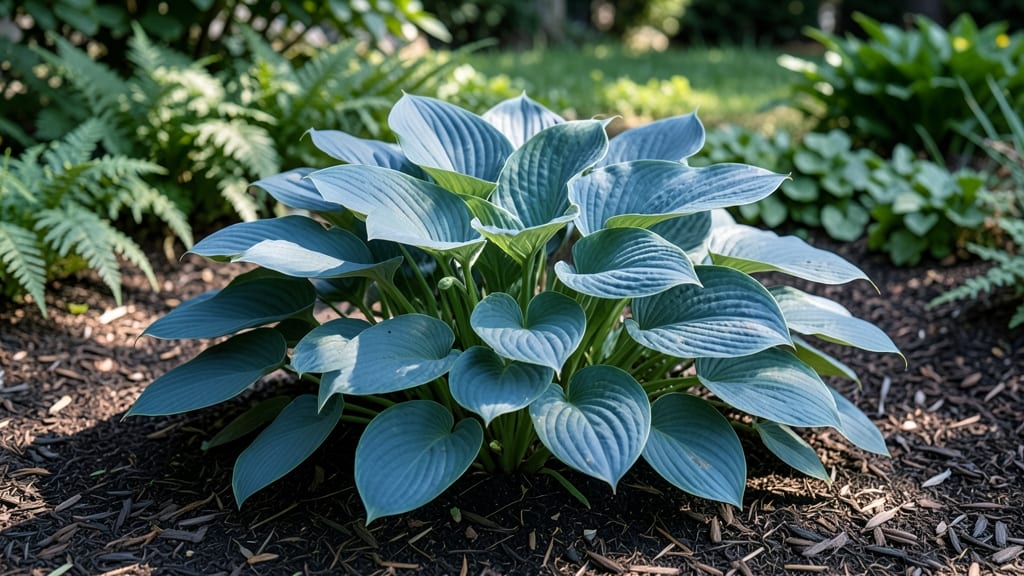
Shade-tolerant flowers are the unsung heroes of any garden, turning dim corners into lush, vibrant spaces that never lack color. 🌿 I remember the first time I transformed a shady woodland edge into a blooming understory—what was once a forgotten patch became the garden’s most serene and striking feature.
These plants thrive where others falter, offering blooms from spring through frost without demanding full sun.
The beauty of shade-loving flowers lies in their versatility—whether you’re lining a shady border, filling containers under a tree, or brightening a north-facing yard. My go-to picks include heuchera with its jewel-toned foliage, astilbe for feathery plumes, and bleeding heart for delicate, heart-shaped blooms.
They pair effortlessly with ferns, hostas, and shade-loving perennials for a cohesive, layered look that feels intentional.
What you’ll love most is how effortlessly they create atmosphere—softening dark corners with texture and color while requiring minimal fuss. A well-chosen shade garden becomes a tranquil retreat, filled with blooms that reward patience and thoughtful placement.
The key is mixing heights, textures, and bloom times for continuous interest, ensuring your garden stays lively even when sunlight is scarce.
Perfect for woodlands, patios, or urban courtyards, these flowers prove that shade doesn’t mean sacrifice. Whether you’re working with deep shade or just partial sun, the right plants will turn your dimmest spots into the garden’s most enchanting corners. Let’s bring that color to life!
📚 In This Guide
- What you need
- Instructions
- Tips and common mistakes
- Wrapping up and next steps
What you need
- ● Shade-tolerant flower seeds or seedlings: 10–20 plants of Hosta (e.g., 'Blue Angel' or 'Halcyon')
- ● 5–10 Impatiens (e.g., 'Super Elfin' or 'Double Pink')
- ● 3–5 Bleeding Heart (Dicentra spectabilis)
- ● 3–5 Astilbe (e.g., 'Fanal' or 'Deutschland')
- ● 2–3 Heuchera (e.g., 'Palace Purple' or 'Lime Rickey')
- ● 1–2 Lungwort (Pulmonaria) for early spring color
- ● Soil: 50 lbs of well-draining, organic potting mix (e.g., Miracle-Gro Garden Soil or FoxFarm Ocean Forest)
- ○ Optional: 10 lbs of compost (for nutrient boost)
- ● Containers or garden bed: 1–2 large containers (12–18 inches deep) (for small spaces)
- ● OR a partial-shade garden bed (4’x4’ minimum)
- ● Tools: 1 garden trowel (for planting)
- ● 1 hand pruners (for trimming)
- ● 1 garden gloves (to protect your hands)
- ● 1 watering can or hose with a gentle spray nozzle
- ○ Optional: mulch (2–3 inches) (e.g., shredded bark or pine needles)
- ● Light conditions: Ensure your chosen spot gets 2–6 hours of indirect light daily (deep shade = <3 hours).
- ● Moisture level: Shade gardens often stay damp—opt for well-draining soil to prevent root rot.
- ● Climate zone: Check your USDA Hardiness Zone (e.g., Zones 3–9 for most shade flowers).
- ○ Optional extras: Slow-release fertilizer (e.g., Osmocote Smart-Release) for nutrient support
- ● Decorative garden stakes or trellises (for climbing varieties like Clematis)
- ● pH test kit (ideal range: 5.5–6.5 for most shade flowers)
Step-by-Step guide for designing a thriving shade garden
Here's how to create a lush, vibrant shade garden that blooms reliably year after year.
🌿 Step 1: Select the Right Shade-Tolerant Varieties
Start with plants that thrive in low to moderate light—think hostas, impatiens, astilbes, ferns, and bleeding hearts. These varieties handle 2-6 hours of filtered light daily without fading or stretching. I always check the USDA shade tolerance ratings before buying; look for labels like "partial shade" or "full shade" to match your specific light conditions.
Group plants by their light preferences: place full-shade lovers (like heucheras and lungworts) under the darkest spots, and partial-shade varieties (like coleus or caladiums) where they’ll get dappled sunlight. Avoid sun-loving annuals—they’ll bolt or flop in dim conditions. Your shade garden’s success starts with the right cast.
🪴 Step 2: Prepare the Soil for Moisture-Loving Roots
Shade gardens need well-draining, moisture-retentive soil—amend heavy clay with 3-4 inches of compost and 1 inch of organic mulch to improve aeration. I test soil moisture by squeezing a handful: if it clumps tightly, add sand or perlite to loosen it. Shade plants hate soggy roots, but they also need consistent moisture, so aim for soil that feels like a wrung-out sponge—damp but not dripping.
Spread a 2-inch layer of shredded bark mulch over the soil surface to suppress weeds and retain moisture. Keep mulch 6 inches away from plant stems to prevent rot. This layer also regulates soil temperature, which is especially helpful in hot, humid climates where shade plants can overheat.
☀️ Step 3: Arrange Plants for Height and Seasonal Interest
Place tallest plants (like astilbes or ferns) at the back or center of your shade garden to avoid blocking light from shorter varieties. I like to use bleeding hearts and hellebores as mid-height anchors, then fill gaps with ground covers like ajuga or creeping phlox. This creates layers that catch light at different angles, ensuring even growth.
Plan for year-round color by mixing spring bloomers (like dutchman’s breeches), summer stars (like impatiens), and fall/winter interest (like heucheras with burgundy foliage). A well-layered shade garden stays visually dynamic even when flowers fade—foliage textures and evergreen plants keep it lively.
💧 Step 4: Water Deeply and Adjust for Shade Conditions
Water once a week in most climates, but check soil moisture 1 inch below the surface—if it’s dry, water deeply until moisture reaches 6 inches down. Shade gardens dry out slower than sunny ones, but container plants still need frequent checks. I use a soaker hose to deliver water slowly at the base, avoiding wetting leaves to prevent fungal diseases.
In hot summers, increase watering to every 4-5 days if the mulch layer looks dry. Signs of underwatering include yellowing leaves or wilting stems, while overwatering causes mushy stems or mold. Adjust based on your plants’ sensory cues—healthy shade plants should feel firm to the touch and have vibrant, glossy foliage.
✂️ Step 5: Prune and Maintain for Long-Term Health
Deadhead spent blooms every 2-3 weeks to encourage continuous flowering, especially in impatiens and begonias. I also trim overgrown foliage in early spring to make room for new growth. For perennials like hostas, cut back yellowed leaves in late winter to keep the garden tidy and reduce pest hiding spots.
Fertilize lightly in spring with a balanced, slow-release fertilizer (like 10-10-10) to avoid burning tender shade plants. Too much nitrogen leads to leafy growth at the expense of flowers, so follow package rates precisely. Monitor for pests like slugs or aphids—shade gardens attract them, so I use beer traps or neem oil as needed to keep them in check.
Tips & tricks for perfect shade-tolerant flower gardens
Creating a thriving shade garden takes thoughtful planning—these insights will help you avoid common pitfalls and maximize your garden's potential.
Light Layering is Key: The 2-6 hours of filtered light mentioned in Step 1 is a guideline, but real-world conditions vary. Observe your garden throughout the day—morning sun creates dappled light perfect for partial-shade plants like coleus, while afternoon shade suits full-shade varieties. I've found that placing a temporary light meter (or even a smartphone app) in different spots for a week reveals the true light patterns, allowing you to match plants precisely to their microclimates.
Soil Science Matters: The recommended 3-4 inches of compost and 1 inch of organic mulch in Step 2 is non-negotiable for shade plants, but here's the secret: mix in a handful of worm castings with your compost. This adds beneficial microbes that help roots absorb moisture more efficiently—a critical advantage for shade plants that rely on consistent water availability. I've seen shade gardens with this amendment thrive in conditions where others struggle.
Seasonal Plant Rotation Strategy: For year-round interest as outlined in Step 3, consider creating a "seasonal swap" system. Plant spring bloomers like dutchman's breeches in early spring, then replace them with summer stars like impatiens once they've finished blooming. This keeps your garden dynamic without requiring constant maintenance. I've used this approach to maintain continuous color in my own shade garden for over a decade.
Watering Wisdom: The once-weekly watering guideline in Step 4 works for most climates, but there's a trick to make it even more effective: water in the early morning (between 4-8 AM). This gives plants time to absorb moisture before the heat of the day, and it reduces fungal risks by allowing foliage to dry completely. I've noticed a significant reduction in mold issues since adopting this schedule, especially with my moisture-loving hostas.
Pro Tips for Shade Tolerant Flowers
- Creating a thriving shade garden takes thoughtful planning—these insights will help you avoid common pitfalls and maximize your garden's potential.
- Light Layering is Key: The 2-6 hours of filtered light mentioned in Step 1 is a guideline, but real-world conditions vary.
- Soil Science Matters: The recommended 3-4 inches of compost and 1 inch of organic mulch in Step 2 is non-negotiable for shade plants, but here's the secret: mix in a handful of worm castings with your compost.
Frequently asked questions
Got questions about growing shade-tolerant flowers?
You’re not alone! Here are some of the most common queries—and their simple solutions—to help you create a thriving low-light garden.
What are the easiest shade-tolerant flowers for beginners?
Start with impatiens, fuchsias, or heucheras—they’re forgiving, fast-growing, and bloom reliably in partial to full shade. Hostas and astilbes are also great picks for low-maintenance color.
How long does it take for shade-tolerant flowers to bloom?
Most shade-loving flowers bloom within 8–12 weeks after planting, but some perennials (like bleeding hearts) may take a full season. Annuals like impatiens often flower in 6–8 weeks with proper care.
Can I grow shade-tolerant flowers in containers?
Use well-draining pots with a moisture-retentive mix (like peat or coconut coir). Top picks for containers: begonias, caladiums, or coleus. Just ensure pots get at least 4–6 hours of indirect light daily.
Why aren’t my shade flowers blooming?
Check these fixes:
- Light levels: Are they getting any indirect light? Some "shade" plants still need 4+ hours of dappled sun.
- Watering: Overwatering or soggy soil can stress roots. Let the top inch dry between waterings.
- Fertilizer: Shade plants often need more phosphorus (for blooms) than regular mixes. Use a balanced 10-10-10 or bloom-boosting formula.
Are there shade-tolerant flowers that attract pollinators?
Yes! Plant foxgloves, columbines, or bee balm (in partial shade) to draw bees and butterflies. Even impatiens can attract pollinators if grown in bright, filtered light.
Wrapping up and next steps
Shade-tolerant flowers prove that even the dimmest corners of your garden can bloom with vibrant color and life! From heucheras to impatiens, these resilient plants bring joy year-round without needing direct sunlight.
Whether you're working with a shady patio, a forest-edge garden, or just a spot under trees, these beauties make gardening accessible and rewarding.
Ready to transform your low-light spaces? Start small—pick one or two shade-loving varieties, test your soil, and watch your garden thrive! Happy planting! 🌿✨