
Flowers
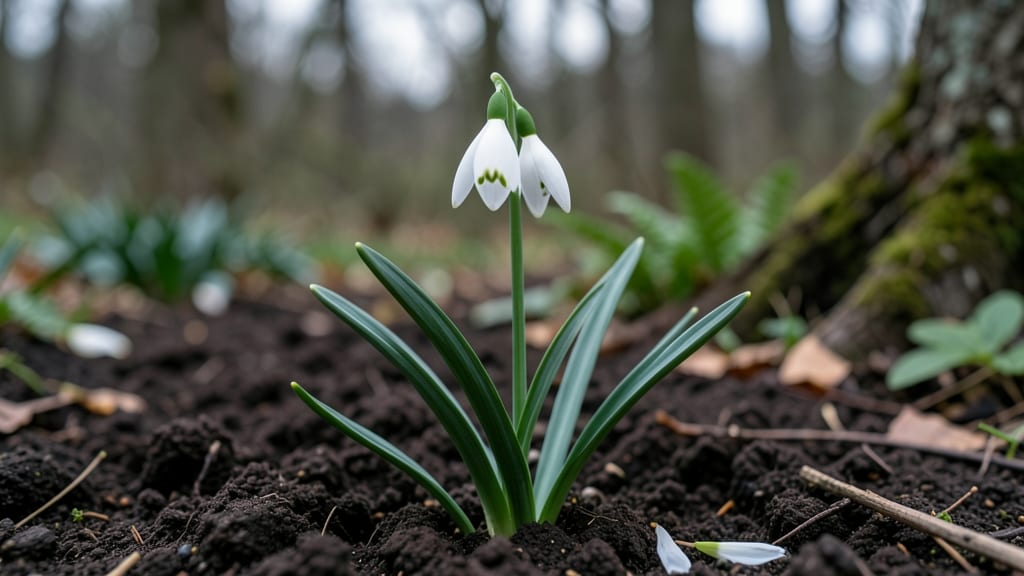
Small white bulb flowers like snowdrops and daffodils bring quiet elegance to gardens—delicate petals that bloom before spring even arrives. 🌱 I’ve grown them for years, and the secret to their success isn’t complicated: it’s about timing, soil, and knowing when to leave them alone.
These tough little plants thrive with minimal fuss, popping up year after year with almost no effort.
The best part? They’re foolproof for beginners. Plant them in well-draining soil, 6 inches deep for most varieties, and give them sunny to partially shaded spots. Water lightly after planting, then let nature take over—they’ll reward you with early spring blooms that brighten up gray days.
Even in containers, they multiply happily, spreading like a secret garden.
With just three simple pruning tips, you’ll keep them blooming longer and healthier. Remove faded flowers to encourage more blooms, but never cut back the leaves until they yellow—those leaves feed next year’s flowers.
By late summer, you’ll have a patch of snowdrop greenery waiting to surprise you again in winter.
Perfect for borders, woodland gardens, or even tucked into lawns where they’ll naturalize over time. Once established, they’re drought-tolerant and pest-resistant—ideal for low-maintenance gardeners who still want drama. Let’s get those bulbs in the ground!
📚 In This Guide
- What you need
- Instructions
- Tips and common mistakes
- Wrapping up and next steps
What you need
- ● Bulbs: Small white bulb flowers like Galanthus (Snowdrops), Leucojum (Snowflakes), or Chionodoxa (Glory of the Snow)—choose 5–10 bulbs per planting area for a lush look.
- ● Well-draining potting mix or garden soil: 2–3 bags (10–15 liters each) of bulb-specific soil or a mix of 60% garden soil + 40% perlite/sand.
- ● Planting container or garden bed: Containers: 6–12" pots with drainage holes (1–2 bulbs per 6" pot).
- ● Garden beds: A spot with partial shade and loose, fertile soil.
- ● Compost or bulb fertilizer: 1–2 cups of balanced 10-10-10 fertilizer or a slow-release bulb food.
- ○ Mulch (optional but recommended): Straw, shredded leaves, or bark chips (1–2 inches thick) to protect bulbs in winter.
- ● Hand trowel (for precise planting in containers or small beds).
- ● Garden gloves (to keep hands clean and protect from sharp soil).
- ● Watering can with a rose nozzle (for gentle, even watering).
- ● Pruning shears (for trimming spent foliage post-bloom).
- ○ pH testing kit (optional): To check soil acidity (ideal range: 6.0–7.0).
- ● A sunny spot with dappled shade (3–6 hours of indirect light daily).
- ● Patience! Bulbs may take 4–6 weeks to sprout after planting.
- ● Consistent moisture (keep soil damp but not soggy until roots establish).
How to grow and maintain small white bulb flowers for continuous blooms
Here's my straightforward approach to keeping these delicate blooms thriving all year.
🌱 Step 1: Select and Plant Bulbs at Proper Depth and Spacing
Choose bulbs like snowdrops, daffodils, or white hyacinths—all excellent for small white blooms. Plant them in well-draining soil with organic matter (like compost) mixed in. The depth rule is simple: dig a hole 2-3 times the bulb's height—for most small bulbs, that’s 4-6 inches deep. I tap the hole gently with a trowel to loosen the soil before placing the bulb pointy-side up.
Space bulbs 3-6 inches apart depending on variety. Crowding leads to weak stems and fewer blooms. After planting, water deeply to settle the soil around the bulbs. You’ll know it’s right when the surface looks firm but not compacted—like a well-packed snowbank. This ensures roots establish quickly without rotting from excess moisture.
☀️ Step 2: Provide the Right Light and Water Balance
Most small white bulb flowers thrive in partial shade to full sun, but avoid scorching afternoon rays in hot climates. I place mine where they get 4-6 hours of morning sun and gentle afternoon shade. If growing in containers, rotate pots quarter-turn weekly so stems grow straight instead of leaning toward the light.
Watering is critical: keep soil evenly moist but never soggy during active growth (spring through early summer). Once blooms appear, reduce watering—let the top 1-2 inches dry out between waterings. Overwatering after flowering causes bulbs to rot before dormancy. A simple finger-check in the soil tells you everything you need to know.
✂️ Step 3: Prune for Year-Round Blooms Using 3 Simple Techniques
First, deadhead spent blooms immediately—this redirects energy to bulb storage instead of seed production. Snip the stem just above the lowest set of healthy leaves with clean shears. I do this every 2-3 days during peak bloom to keep plants looking fresh and encourage reblooming.
Second, trim foliage by one-third when it turns yellow after flowering. This prevents the plant from wasting energy on dying leaves. Leave enough to photosynthesize—never remove more than 1/3 of the foliage. You’ll see new shoots emerge from the base within 3-4 weeks, signaling the bulb is storing energy for next season.
Third, divide crowded clumps every 3-4 years in late summer. Gently dig up bulbs, separate offsets, and replant. This rejuvenates blooms and prevents overcrowding. Water lightly after replanting, and the new bulbs will establish roots before winter.
Tips & tricks for perfect small white bulb flower maintenance
Here's what nobody tells you about keeping these delicate blooms thriving season after season.
Soil Preparation Secret: Before planting, I mix in a handful of perlite or coarse sand with the compost to improve drainage—especially important for small bulbs that rot easily. The key is creating a loose, airy soil mix that mimics their natural forest floor habitat. Think of it as giving their roots room to breathe while still holding moisture. This simple step prevents the most common failure point for beginners.
Light Positioning Hack: For containers, I use a small mirror placed near the plants to reflect additional light during those 4-6 hours of morning sun. This subtle trick helps compensate for less-than-ideal locations without moving plants constantly. The mirror also creates indirect light that prevents leaf scorch from direct rays. It's a game-changer for urban gardeners with limited sunlight options.
Watering Technique: The finger-check method is critical, but here's the detail most guides miss: press your finger 1-2 inches deep into the soil—not just the surface. The top layer can dry quickly while moisture remains below. When you feel dryness at that depth, that's your cue to water. This prevents both underwatering and the overwatering that causes bulb rot. I've saved multiple batches of flowers this way after nearly drowning them initially.
Pruning Timing: When you're deadheading every 2-3 days, pay attention to the time of day—morning is ideal. The plant's natural circadian rhythm means it's most resilient to pruning when it's about to begin its daily growth cycle. Also, always use clean, sharp shears to avoid crushing stems, which can introduce pathogens. I sterilize my shears with rubbing alcohol between plants to prevent any potential spread of disease.
Pro Tips for Small White Bulb Flowers
- Here's what nobody tells you about keeping these delicate blooms thriving season after season.
- Soil Preparation Secret: Before planting, I mix in a handful of perlite or coarse sand with the compost to improve drainage—especially important for small bulbs that rot easily.
- Light Positioning Hack: For containers, I use a small mirror placed near the plants to reflect additional light during those 4-6 hours of morning sun.
Frequently asked questions
Got questions about those charming small white bulb flowers? You’re not alone! Here are answers to the most common queries—from care tips to troubleshooting—so you can keep your blooms thriving all year.
What are the most common types of small white bulb flowers?
Popular varieties include Galtonia candicans (summer snowflakes), Sternbergia lutea (autumn crocus), and Lachenalia species. Many Narcissus (daffodils) and Muscari (grape hyacinths) also produce petite white blooms. Check labels or consult a local nursery for exact matches!
How long do small white bulb flowers take to bloom after planting?
Timing varies by type! Spring-planted bulbs (like Tulipa) may bloom in 4–8 weeks, while fall-planted varieties (e.g., Sternbergia) often wait until late autumn or winter. For year-round blooms, stagger plantings or choose species with staggered growth cycles (like Chionodoxa).
Why aren’t my small white bulb flowers blooming this year?
Common culprits include insufficient light (move to a sunnier spot), overcrowded bulbs (dig and divide every 3–5 years), or improper watering (drought-stressed bulbs skip blooms). Fertilize lightly in early spring with bulb-specific food to encourage flowers.
Can I grow small white bulb flowers in containers?
Choose shallow pots (at least 6" deep) with drainage holes and use well-draining soil. Group 3–5 bulbs per 6" pot for a fuller look. Muscari and Scilla thrive in containers, while larger bulbs (like Galtonia) need deeper pots. Rotate containers seasonally for even light exposure.
What’s a great alternative if I want white flowers but no bulbs?
Try Lobelia erinus (dwarf trailing lobelia), Portulaca grandiflora (moss rose), or Gypsophila elegans (baby’s breath). For perennials, Lamium maculatum (spotted dead nettle) or Ajuga reptans (bugleweed) offer lush white foliage with subtle blooms. All are low-maintenance and pair beautifully with bulb flowers!
Wrapping up and next steps
Small white bulb flowers like snowdrops, daffodils, and paperwhites bring elegance and cheer to any garden—year-round! With the right care, pruning tips, and a little patience, you’ll enjoy their delicate blooms for seasons to come. 🌸
Ready to transform your space? Start by planting a few bulbs this fall or spring, and soon, you’ll have a fragrant, low-maintenance garden that thrives with minimal effort. Happy gardening!