
Flowers
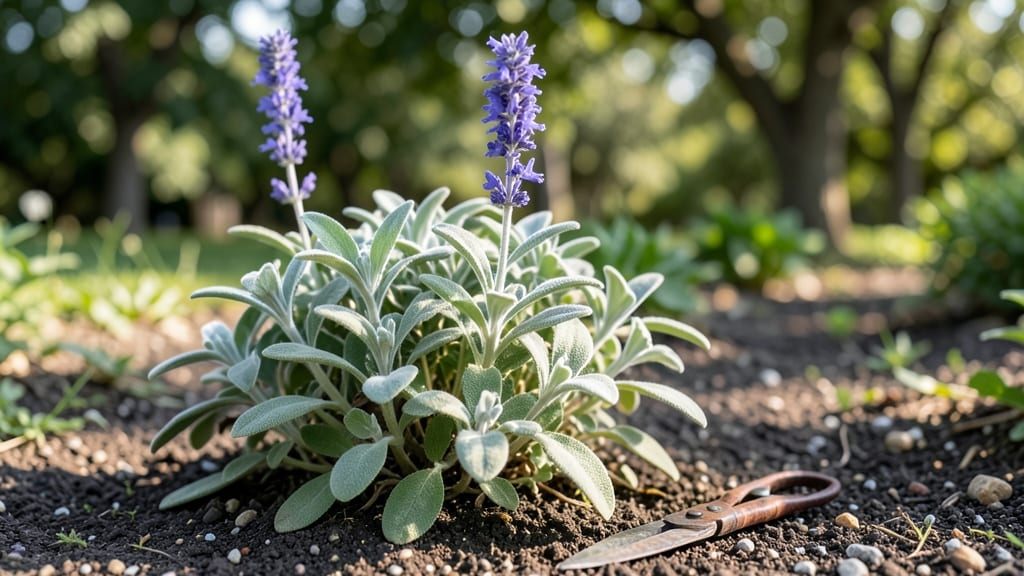
Growing Texas sage flowers unlocks a garden that smells like a desert sunset year-round. 🌿 The key to those vibrant blooms and intoxicating fragrance lies in understanding its drought-loving nature and precise pruning needs—something that transformed my dry, rocky yard into a fragrant oasis.
Texas sage thrives in full sun and well-draining soil, making it perfect for hot climates like ours. Once established, it needs water only when the top inch of soil is dry, and its silvery foliage signals drought tolerance.
The real magic happens when you prune after blooming—this encourages fresh growth and keeps those purple, pink, or white flowers coming.
You’ll end up with a plant that blooms from spring through fall, often extending into winter in warmer zones. The scent alone draws hummingbirds and bees, while its low-maintenance nature means less work for you.
Just avoid overwatering—the number one reason Texas sage struggles—and watch it reward you with months of color and fragrance.
Works beautifully in borders, containers, or as a drought-resistant hedge. The same principles apply whether you’re in Texas or another hot, dry region—just adjust watering slightly for your microclimate. Let’s get those plants thriving!
📚 In This Guide
- What you need
- Instructions
- Tips and common mistakes
- Wrapping up and next steps
What you need
- ● Texas Sage Plant: 1 nursery-grown plant (3–6 inches tall) or
- ● Seeds (collect from mature plants or purchase from a trusted supplier)
- ● Well-Draining Soil: 60% native soil (adjust for your region)
- ● 30% coarse sand or perlite (for drainage)
- ○ 10% compost or organic matter (optional but helpful)
- ● Container or Planting Hole: For containers: 1–2 gallon pot with drainage holes (minimum 12" diameter)
- ● For in-ground: Hole twice as wide as the root ball, 6–12" deep
- ● Sunlight Access: Full sun (6+ hours of direct sunlight daily)
- ● Watering Can or Hose: With a gentle spray nozzle
- ● Pruning Shears: Sharp, clean pair (sterilize with rubbing alcohol)
- ○ Gloves (optional but recommended) – Protects hands from thorns and soil
- ○ Mulch (optional) – 1–2 inches of gravel or decomposed granite (preserves moisture)
- ○ Fertilizer (optional) – Low-nitrogen, slow-release granular (e.g., 5-10-10 ratio, 1 tbsp per plant)
- ○ pH Test Kit (optional) – Ideal soil pH: 6.0–8.0
- ○ Stakes or Trellis (optional) – For young plants in windy areas
Step-by-Step guide to cultivating Texas sage for fragrant year-round blooms
Here's how to coax vibrant, fragrant Texas sage into your landscape—with pruning techniques that keep it blooming reliably.
🌱 Step 1: Select the Perfect Planting Site and Soil
Texas sage thrives in full sun—at least 6-8 hours daily—so choose a spot with unobstructed southern or western exposure. If you're in a hotter Texas region, afternoon shade helps prevent leaf scorch. The soil should drain exceptionally well—amend heavy clay with 3-4 inches of coarse sand or gravel to prevent root rot.
I always test drainage by digging a 12-inch hole, filling it with water, and checking how quickly it drains. If water lingers beyond 30 minutes, your site needs more gritty material. Texas sage hates soggy roots, so prioritize this over soil fertility—it's far more critical.
🌿 Step 2: Plant at the Right Depth and Spacing
Dig a hole twice as wide as the root ball but no deeper—Texas sage roots are shallow and resent being buried too deep. Gently remove the plant from its container and loosen any circling roots with your fingers. Place it so the top of the root ball sits level with the surrounding soil—never mound soil against the stem.
Space plants 3-5 feet apart for mature size, or 2-3 feet if you prefer a denser hedge. I use a tape measure to ensure even spacing—crowded plants compete for water and sunlight, leading to weak growth. Water deeply right after planting to settle the soil and eliminate air pockets around the roots.
✂️ Step 3: Prune for Shape and Encourage Blooms
Prune Texas sage twice yearly: once in late winter (before new growth starts) to shape the plant, and again right after flowering to maintain its form. Use clean, sharp pruners to make cuts at a 45-degree angle just above a leaf node—this encourages bushier growth.
Here's the thing—never prune into old wood. Texas sage blooms on new growth, so avoid cutting back more than one-third of the plant's height in a single season. If you see leggy stems, trim them back to a strong lateral branch. You'll notice new shoots emerging within 2-3 weeks—that's your signal the plant is responding well.
☀️ Step 4: Water and Fertilize with Precision
Texas sage is drought-tolerant once established, but young plants need deep watering every 7-10 days during the first growing season. Water at the base of the plant in the morning to reduce evaporation—avoid wetting the foliage, which can invite fungal diseases. You'll know moisture is right when the top 2 inches of soil feel dry to the touch.
Skip heavy fertilization—Texas sage prefers low-nitrogen, balanced fertilizer applied once in early spring. I use a 5-5-5 formula at half strength to avoid burning the roots. Over-fertilizing leads to lush foliage but fewer flowers, which defeats the purpose of growing this fragrant beauty.
⏰ Step 5: Overwinter with Minimal Care
Texas sage is evergreen in mild winters but may drop leaves in freezing temperatures. If you're in a colder Texas zone, mulch the base with 2-3 inches of shredded bark to protect roots from temperature swings. Remove the mulch in early spring before new growth begins.
Prune lightly in late winter to remove any dead or crossing branches. I always check for buds forming at the tips—these indicate where next year's flowers will emerge. With proper pruning and care, your Texas sage will reward you with year-round fragrance and seasonal blooms.
Tips & tricks for perfect Texas sage flower cultivation
Your Texas sage's fragrance and blooms depend on these key strategies that go beyond the basics.
Soil Preparation Secret: Beyond just amending clay soil with sand, I recommend adding a handful of perlite or pumice to the planting hole. This creates tiny air pockets that improve drainage even further, which is critical since Texas sage roots need oxygen as much as they need water. The 30-minute drainage test is your best friend here—if water disappears in under 10 minutes, you're golden. If it takes longer, keep adding gritty material until you hit that sweet spot.
Pruning Precision: When you're shaping your Texas sage in Step 3, focus on creating an open center that allows sunlight to reach all parts of the plant. I use a small mirror to check hard-to-see areas—this helps me spot missed branches when pruning. Remember, those 2-3 weeks for new shoots to appear? That's your confirmation the plant is healthy and ready for next season's blooms. Never cut into old wood—it won't produce new growth, and you'll sacrifice next year's flowers.
Watering Wisdom: The 7-10 day watering schedule for young plants might seem like a wide range, but it accounts for Texas' unpredictable weather. I check the top 2 inches of soil with my finger—if it's dry, water deeply until it runs out the bottom of the pot or through the soil. This encourages deep root growth. For established plants, you'll notice the soil stays drier between waterings, which is exactly what you want for drought-tolerant Texas sage.
Fertilizer Finesse: That half-strength 5-5-5 application in early spring is your golden ticket to balanced growth. I mix the fertilizer with water first, then apply it directly to the soil surface rather than sprinkling it around the plant. This prevents root burn and ensures the nutrients reach where they're needed. The key is consistency—once a year is all Texas sage needs to thrive without becoming a leafy monster at the expense of flowers.
Pro Tips for Texas Sage Flower
- Your Texas sage's fragrance and blooms depend on these key strategies that go beyond the basics.
- Soil Preparation Secret: Beyond just amending clay soil with sand, I recommend adding a handful of perlite or pumice to the planting hole.
- Pruning Precision: When you're shaping your Texas sage in Step 3, focus on creating an open center that allows sunlight to reach all parts of the plant.
Frequently asked questions
Got questions about growing Texas Sage Flower? You’re not alone! Here are some of the most common queries—plus straightforward answers to help you cultivate this fragrant beauty with confidence.
When is the best time to plant Texas Sage?
Plant Texas Sage in early spring (after the last frost) or late fall for the best root establishment. This drought-tolerant plant thrives in Texas’s heat, so avoid planting in summer’s peak—it can stress young roots. If transplanting, water deeply for the first 2 weeks to encourage growth.
How often should I prune Texas Sage for flowers?
Prune lightly in late winter (just before new growth) to shape the plant and encourage blooms. Avoid heavy pruning—Texas Sage flowers on old wood, so trim only to remove dead or overgrown stems. Pro tip: Never cut more than ⅓ of the plant at once!
Why isn’t my Texas Sage flowering?
Texas Sage may skip blooms if over-fertilized (too much nitrogen = leafy growth, not flowers). Ensure it gets full sun (6+ hours/day) and well-draining soil. If drought-stressed, water deeply but infrequently—this plant loves dry conditions! Deadheading spent blooms can also prompt new flowers.
Can I grow Texas Sage in containers?
Use a large container (12"+ diameter) with drainage holes and a cactus/succulent mix. Place it in full sun and water sparingly. Container-grown Texas Sage may need annual repotting to prevent root-bound stress.
Are Texas Sage flowers toxic to bees or pets?
Great news! Texas Sage is bee-friendly and non-toxic to pets (cats/dogs) per ASPCA standards. Its fragrant blooms attract pollinators while adding year-round color—just avoid ingesting large quantities of any plant, even non-toxic ones.
How do I revive a struggling Texas Sage?
If your plant looks wilted or leggy, trim back dead growth and reduce watering. Check for root rot (soggy soil = bad). Move it to a sunnier spot and let soil dry between waterings. With proper care, Texas Sage is resilient and often bounces back!
Wrapping up and next steps
Growing Texas Sage Flower is a rewarding journey that brings year-round fragrance and beauty to your garden with just a little pruning precision! 🌿 Whether you’re a seasoned gardener or a beginner, this hardy plant thrives with minimal fuss—just remember to trim it right and give it plenty of sun.
Your efforts will be rewarded with a stunning, aromatic landscape that’s the envy of the neighborhood.
Ready to take the next step? Start by gathering your tools and scheduling your first pruning session—your Texas Sage will thank you with lush, vibrant growth! 🌸