
Pests
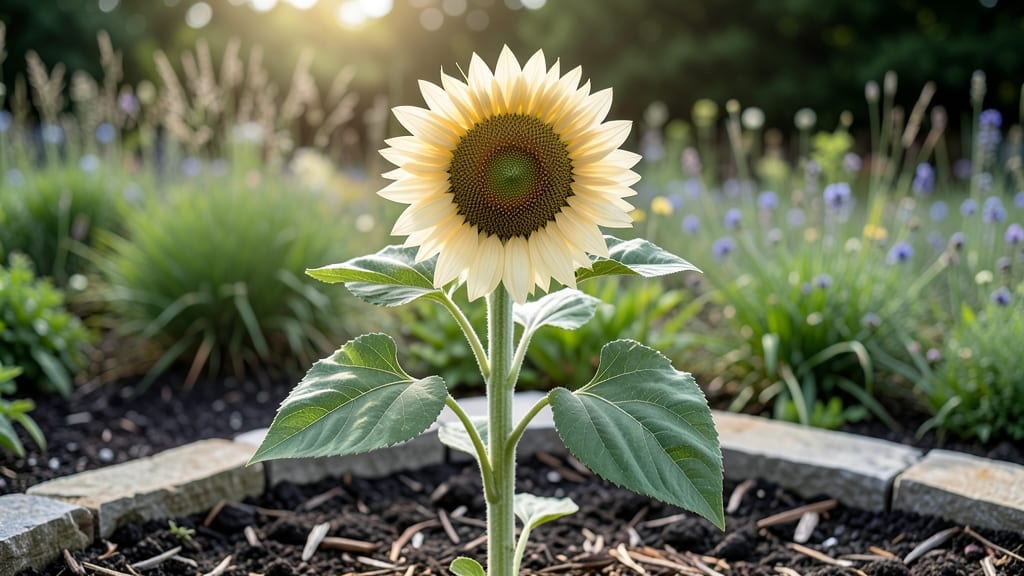
The colors of teddy bear sunflowers—creamy, yellow, and orange stripes—are the cheerful faces of any garden. 🌻 I planted mine last spring after seeing how they transformed a dull corner into a pollinator paradise—now I can't imagine... a summer without them.
Their soft, velvety petals feel like sunshine wrapped in fabric, and they bloom from midsummer until frost, giving you months of joy.
The real magic happens when you pair them with complementary plants. Try planting them alongside purple coneflowers for a cottage-garden look, or mix in lavender for a soothing contrast.
In containers, they pair beautifully with trailing nasturtiums or bright geraniums, creating a pop of color that draws in bees and butterflies. Their sturdy stems also make them perfect for cut flower arrangements that last for weeks in a vase.
What you'll love most is how they soften any garden style—whether it's a wildflower meadow, a structured border, or a child-friendly play area. The striped petals add unexpected texture, and their cheerful faces lift spirits on even the grayest days.
Once you see them in your own space, you'll want to plant more every year.
They thrive in full sun and well-drained soil, making them easy to grow in almost any climate. Just give them space—they can grow 3 to 5 feet tall—and watch as they become the star of your garden.
Whether you're designing a pollinator haven or just want a burst of joy, these sunflowers deliver every time.
📚 In This Guide
- What you need
- Instructions
- Tips and common mistakes
- Wrapping up and next steps
What you need
- ● Fabric: 1 yard of bright yellow cotton fabric (for petals—sunflower hue!)
- ● ½ yard of sunflower-striped fabric (for body—think warm oranges, greens, or creams)
- ● ¼ yard of brown felt (for stems/leaves)
- ○ ¼ yard of white or pastel cotton (for inner petals, optional)
- ● Filling: 1 bag (12 oz) of polyester stuffing (for a soft, plush feel)
- ● Thread: Yellow, green, and black embroidery floss (for stitching details)
- ● Matching all-purpose thread for sewing
- ● Sewing kit: Fabric scissors
- ● Seam ripper
- ● Pins or fabric clips
- ● Measuring tape or ruler
- ○ Optional (but fun!): Fabric glue (for securing petals)
- ● Embroidery needle (for hand-stitching details)
- ● Pest-repellent fabric spray (like cedar or lavender-infused—eco-friendly!)
Step-by-step guide to growing striped "teddy Bear" sunflowers
Here's how to coax those iconic striped petals from seed to showstopper.
🌱 Step 1: Start Seeds Indoors for Early Blooms
Fill 2-inch deep biodegradable pots with seed-starting mix and plant 2 seeds per pot at ½ inch deep. Teddy Bear sunflowers germinate best in 70-75°F soil, so use a seedling heat mat if your home runs cooler. Keep the soil consistently moist but never soggy—you'll see sprouts in 7-14 days.
Once the first true leaves appear, remove the weaker seedling to leave one strong plant per pot. Place pots under grow lights 12-14 hours daily—natural sunlight alone often causes leggy growth. You'll know they're ready for transplant when they develop 4-5 true leaves and stems are sturdy enough to handle.
☀️ Step 2: Harden Off and Plant in Full Sun
Move pots outside for 1 hour daily over 5-7 days, gradually increasing exposure. Teddy Bear sunflowers need 6-8 hours of direct sun daily to develop their signature striped petals. Choose a location with well-draining soil and space them 18-24 inches apart—they'll reach 5-6 feet tall.
Transplant on a cloudy day or in late afternoon to reduce shock. Bury the stem slightly deeper than in the pot to encourage stronger root development. Water deeply at planting to settle the soil and keep moisture consistent for the first 2 weeks—this prevents wilting as they establish.
💧 Step 3: Feed and Support for Maximum Striped Impact
Fertilize with a balanced 10-10-10 formula when plants reach 12 inches tall, then again when buds form. Teddy Bear sunflowers produce their most vibrant stripes with consistent nutrients. Stake each plant with 6-foot tall supports at planting—these beauties need stability, especially in windy areas.
Water at the base 1-2 inches deep every 2-3 days during dry spells, but let the soil dry slightly between waterings. Overhead watering can cause mildew, which dulls petal colors. You'll know you're on track when buds form 4-6 weeks after transplanting—that's when the magic of those striped patterns begins.
✂️ Step 4: Harvest and Preserve the Striped Beauty
Cut stems at a 45-degree angle when petals are fully open but still firm—usually 2-3 days after blooming. Strip leaves from the lower 12 inches of the stem to extend vase life. Teddy Bear sunflowers make stunning cut flowers, but their striped patterns fade fastest in water, so use them within 3-5 days.
For dried arrangements, hang stems upside down in a dark, dry place for 2-3 weeks. The stripes retain their contrast beautifully when dried. Deadhead spent blooms to encourage more flowers, but leave some for seed collection if you want to grow next year's striped stars.
Tips & tricks for perfect teddy Bear sunflower colors
These simple secrets will help you coax out those stunning striped petals and keep your sunflowers thriving.
Soil Temperature Secret: To ensure those iconic stripes develop properly, maintain that 70-75°F soil temperature during germination. I've found using a seedling heat mat makes all the difference—especially if your home tends to run cooler. The warmer soil speeds up germination and helps those striped patterns form more vividly.
Lighting Strategy: Those 12-14 hours of grow light daily are non-negotiable for preventing leggy seedlings. I place my pots about 6 inches below the lights to avoid burning the young plants. If you notice stems stretching toward the light, you're either too far away or need more light intensity. Natural sunlight alone just can't provide the consistent spectrum these striped beauties need.
Transplanting Tip: When you're ready to move your sunflowers outside, bury the stems slightly deeper than they were in their pots. This buried section will develop new roots, creating a stronger, more stable plant. I've seen plants that weren't buried properly struggle with wind and heavy blooms—don't skip this step if you want those 5-6 foot giants to stand tall!
Watering Wisdom: The 1-2 inches deep watering every 2-3 days is crucial, but timing matters too. Water in the morning so leaves have time to dry before evening. I've noticed that overhead watering can cause mildew, which dulls those vibrant stripes we're all after. Always water at the base to keep the foliage dry and crisp.
Pro Tips for Teddy Bear Sunflower Colors
- These simple secrets will help you coax out those stunning striped petals and keep your sunflowers thriving.
- Soil Temperature Secret: To ensure those iconic stripes develop properly, maintain that 70-75°F soil temperature during germination.
- Lighting Strategy: Those 12-14 hours of grow light daily are non-negotiable for preventing leggy seedlings.
Frequently asked questions
about teddy bear sunflower colors—because every gardener (and teddy bear lover!) deserves clarity. Here are answers to the most common queries to help you grow these cheerful blooms with confidence.Why do my sunflowers have stripes like a teddy bear?
The classic "teddy bear" stripes on sunflowers are caused by a natural genetic trait called variegation. This creates alternating bands of color (often yellow, green, or even deep red) due to pigment distribution in the petals. It’s harmless and purely aesthetic—no special care is needed!
Can I grow teddy bear sunflowers from seed?
These sunflowers are easy to grow from seed, just like their non-striped cousins. Plant seeds 1 inch deep in well-draining soil after the last frost, and give them full sun (6+ hours daily). Expect blooms in 8–10 weeks—perfect for summer joy!
Are there other sunflower colors besides yellow?
Yes! While teddy bear sunflowers are often yellow with stripes, you’ll find varieties in orange, red, burgundy, and even chocolate hues. For striped options, look for cultivars like ‘Lemon Queen’ (yellow) or ‘Teddy Bear’ (reddish-brown). Pro tip: Mix colors for a whimsical garden!
Do striped sunflowers attract more pests?
Not necessarily! While all sunflowers may draw bees, birds, or aphids, striped petals don’t increase susceptibility. Monitor for pests like sunflower moths or spider mites, and treat with neem oil if needed. Healthy plants (with proper spacing and water) stay resilient!
How long do teddy bear sunflowers last in a vase?
With proper care, cut stems will last 7–10 days in a vase. Trim stems at an angle, change water every 2 days, and keep them in a cool spot away from direct sun. For extra longevity, add a flower food packet to the water—it’s a game-changer!
Wrapping up and next steps
From the vibrant yellows of classic sunflower petals to the soft, pastel hues of modern twists, your teddy bear’s striped sunflower colors can bring warmth and joy to any space—season after season! 🌻 Whether you’re crafting a cozy plushie, decorating a nursery, or simply admiring nature’s palette, these cheerful shades remind us that creativity knows no limits.
Ready to spread some sunshine? Grab your materials, pick your favorite color combo, and let your imagination bloom! Start brainstorming your next project today!