
Pruning
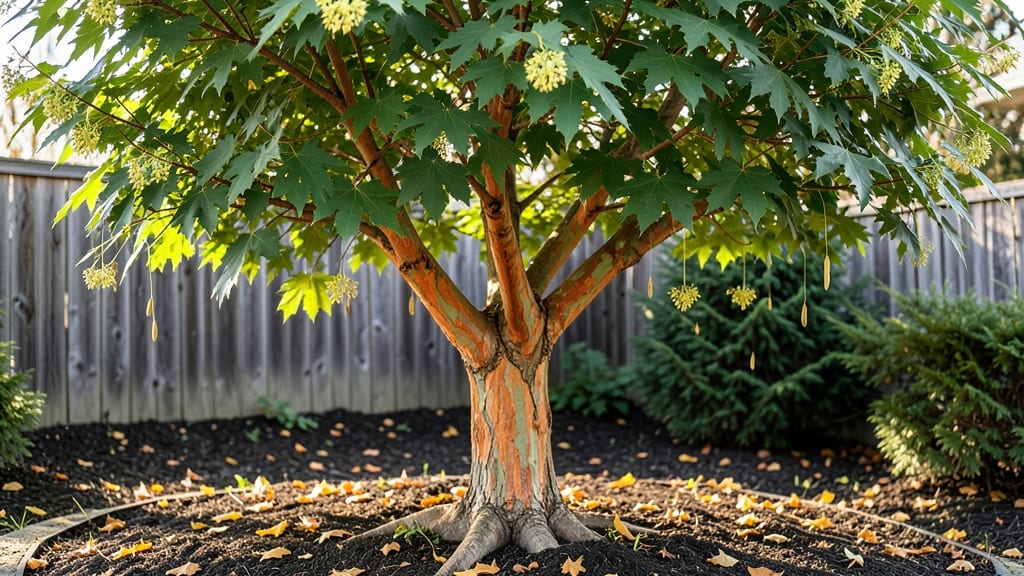
The Tiger Eye flowering maple tree transforms any yard into a living canvas with its fiery foliage and cascading blooms. I fell in love with this plant after my first winter—when most trees stand bare, its deep red stems and velvety leaves still glow like embers.
The real magic? Four seasonal trims keep it vibrant year-round, from spring’s fresh flush to winter’s sculpted silhouette.
This isn’t a high-maintenance diva—just a sun-loving plant that thrives in partial shade and well-draining soil. Water it when the top inch feels dry, and you’ll reward it with 3-foot-tall bushes bursting with bell-shaped flowers that hum with pollinators.
The key to its drama? Pruning at the right times: spring for shape, summer for blooms, fall for structure, and winter for artistry.
You’ll end up with a plant that looks intentional, not accidental—bold enough to anchor a border but flexible enough for containers. The flowers even last into frost, and the foliage turns coppery in autumn.
Best part? It’s disease-resistant and pests usually ignore it, so you spend more time admiring than troubleshooting.
Whether you’re shaping a hedge or a single statement plant, this tree delivers four seasons of interest with minimal effort. Let’s get those shears ready—your yard’s about to get an upgrade.
📚 In This Guide
- What you need
- Instructions
- Tips and common mistakes
- Wrapping up and next steps
What you need
- ● Pruning shears: Bypass pruners (sharp, 5–8-inch blades) for clean cuts on small branches.
- ● Loppers: 8–10-inch bypass loppers for thicker branches (up to 1.5 inches in diameter).
- ● Pruning saw: Curved-tooth saw for branches over 2 inches thick.
- ○ Hand pruners (optional but handy):strong> For delicate trimming of new growth.
- ● Disinfectant (70% isopropyl alcohol or pruning sealant): 1 small bottle to sterilize tools between cuts.
- ● Garden gloves: Heavy-duty, cut-resistant gloves (1 pair) for safety.
- ● Extension pole: 6–10 ft. with pruning attachments for high branches.
- ● Twine or zip ties: For temporary support if trimming large branches.
- ● Trash bags or bucket: For collecting debris (1–2 large bags or a 5-gallon bucket).
- ● Pruning paint: To seal larger cuts (1 small bottle).
- ● Ladder: Sturdy, 12–16 ft. ladder for hard-to-reach branches.
- ● Tree wrap: For protecting the trunk after heavy trims.
- ● Camera or sketchpad: To document your tree’s shape before/after trims!
Step-by-step guide for pruning a Tiger Eye flowering maple tree
Here’s how to keep your tree vibrant through every season—no guesswork, just precise cuts.
Prepare Tools and Assess the Tree
Start by gathering your sterilized pruning tools: a pair of sharp bypass pruners for branches under ½ inch thick, and a pruning saw for thicker limbs. Wipe blades with rubbing alcohol to prevent disease spread—this is critical for maples, which bleed sap but heal better when tools are clean.
Examine the tree’s structure from all sides, noting where branches cross, grow inward, or exceed ⅓ of the trunk’s diameter. Focus on dead, diseased, or weak branches first—they’re the easiest to spot and remove. Look for smooth bark (healthy) versus rough, cracked, or peeling bark (problematic).
Trim for Spring Growth and Flowering
After the tree finishes blooming in late spring, prune to encourage new growth and vibrant foliage. Remove crossing branches first—they rub against each other, creating wounds that invite pests. Cut just outside the branch collar (the swollen area where the branch meets the trunk) at a 45-degree angle to prevent water pooling.
Thin out overcrowded branches to improve airflow, which reduces fungal risks. Aim to maintain an open canopy with sunlight reaching the center. Avoid heavy pruning—never remove more than 25% of the tree’s foliage in one season. You’ll see fresh green leaves emerge within 2-3 weeks, signaling successful regrowth.
Shape for Summer Color and Structure
In early summer, focus on shaping the tree to highlight its distinctive Tiger Eye foliage. Prune to open up the canopy so sunlight enhances the red, pink, and green hues of the leaves. Remove suckers (shoots growing from the base or trunk) immediately—they drain energy from the main tree.
Use the third-cut method for larger branches: Make your first cut 6-12 inches out from the branch collar, then a second cut just outside the branch collar, and finally a third cut to remove the branch stub. This prevents tearing bark. Step back often to check balance—your goal is a natural, balanced silhouette that showcases the tree’s seasonal colors.
Clean Up for Fall and Winter Hardiness
After leaves fall in late autumn, prune to prepare for dormancy. Remove dead, broken, or diseased branches completely—these are entry points for winter pests. Cut back weak growth that didn’t harden off properly, leaving healthy buds behind. Avoid heavy pruning now; the tree needs energy reserves for winter.
Rake up and dispose of all pruned material (don’t compost diseased branches). Disinfect tools again with rubbing alcohol before storing. In winter, only prune to remove ice-damaged branches—wait until late winter (just before buds swell) for any remaining adjustments. This timing ensures the tree enters and exits dormancy with minimal stress.
Maintain Year-Round with Light Trims
Throughout the year, spot-prune to keep the tree healthy. In early spring, remove water sprouts (fast-growing vertical shoots) as soon as they appear. In summer, trim overly long branches to maintain shape and encourage dense foliage. Always prune just above a leaf node or bud to promote new growth.
Monitor the tree’s growth patterns—if branches grow too close together, they’ll compete for sunlight and nutrients. A well-maintained Tiger Eye Maple will reward you with bold foliage colors and a strong structure for decades. Step back occasionally to admire your work—this tree thrives when given the right care.
Tips & tricks for pruning a Tiger Eye flowering maple tree
Your Tiger Eye Maple’s vibrant colors depend on precise seasonal care—here’s how to avoid common pitfalls and elevate your pruning game.
Tool Preparation is Non-Negotiable: Sterilizing your tools with rubbing alcohol isn’t just about disease prevention—it’s about giving your tree the cleanest possible start for healing. I’ve seen maple trees develop fungal infections from contaminated tools, so take the extra 30 seconds to wipe blades thoroughly before each use. For stubborn sap buildup, soak tools in a 1:10 bleach-water solution for 10 minutes between sessions, then rinse well.
Seasonal Timing Matters More Than You Think: The 2-3 week window after late spring blooming isn’t arbitrary—it’s when the tree has finished flowering but hasn’t yet committed to new growth. Pruning then ensures you’re removing only what you intend while maximizing regrowth potential. In early summer, focus on shaping rather than heavy pruning to preserve the foliage that’s already developing its signature red, pink, and green hues.
Branch Collar Respect Prevents Big Problems: That swollen area where branches meet the trunk isn’t just decoration—it’s your tree’s natural healing mechanism. Cutting too close (within ½ inch) creates permanent wounds that never seal properly, making your tree vulnerable to decay. Use the third-cut method religiously for branches over ½ inch thick: first cut 6-12 inches out, second cut just outside the collar, then remove the stub. This three-step process prevents bark tearing and gives your tree the best chance to recover.
Winter Pruning Demands Patience: When ice-damaged branches appear in winter, resist the urge to prune immediately. Wait until late winter—just before buds begin to swell—because pruning too early removes potential growth points. The tree’s energy reserves are at their lowest in deep winter, so any cuts you make now should be minimal and strategic. If you must remove ice damage, focus only on branches that are completely dead or pose safety hazards.
Pro Tips for Tiger Eye Flowering Maple Tree
- Your Tiger Eye Maple’s vibrant colors depend on precise seasonal care—here’s how to avoid common pitfalls and elevate your pruning game.
- Tool Preparation is Non-Negotiable: Sterilizing your tools with rubbing alcohol isn’t just about disease prevention—it’s about giving your tree the cleanest possible start for healing.
- Seasonal Timing Matters More Than You Think: The 2-3 week window after late spring blooming isn’t arbitrary—it’s when the tree has finished flowering but hasn’t yet committed to new growth.
Frequently asked questions
Got questions about keeping your Tiger Eye Flowering Maple stunning year-round? Here are answers to the most common ones—so you can prune with confidence!
When is the best time to prune for seasonal color?
The ideal times are late winter/early spring (before buds swell) for structural shaping, summer (after flowering) to encourage fall color, and light trims in late fall to maintain shape. Avoid heavy pruning in winter—this tree bleeds sap! For year-round color, focus on gradual trims every 3–4 months.
How do I protect my Tiger Eye Maple in winter?
This tree is hardy to USDA Zone 5**, but young trees need extra care. Wrap the trunk with tree guard to prevent sunscald, and mulch heavily (3–4 inches) around the base (keep mulch 6+ inches from the trunk). Avoid pruning in freezing temps—wait until late winter thaw (when temps stay above 40°F for 3+ days).
Can I use the same trimming techniques for other maples?
Mostly! However, Tiger Eye’s variegated foliage (cream/pink edges) means you should avoid heavy shearing—it can strip color. For other maples (like Japanese or Norway), the rules are similar, but flowering maples may need post-bloom pruning to preserve next year’s flowers. Always research your specific variety!
Why are my leaves turning brown/yellow prematurely?
Common causes include:
- Over-pruning: Too much stress = early leaf drop. Stick to 10–15% annual removal max.
- Underwatering: Tiger Eye Maples need 1–1.5 inches of water weekly (more in containers).
- Fungal issues: Yellow spots with black edges? It could be anthracnose. Prune infected branches in dry weather and apply copper fungicide.
- Nutrient deficiency: Pale leaves? Test soil and add balanced fertilizer (10-10-10) in early spring.
If symptoms persist, check for pests (scale, spider mites) on the undersides of leaves.
Is this tree suitable for small yards or containers?
Yes! Dwarf varieties like ‘Tiger Eye’ Acer palmatum stay 6–10 feet tall and thrive in 15–25 gallon containers with well-draining soil. For containers:
- Use a fast-draining mix (60% soil, 30% perlite, 10% compost).
- Repot every 2–3 years in spring.
- Move indoors (bright, cool spot) if temps drop below 20°F.
For small yards, plant it 5–8 feet from structures—its roots spread wider than its canopy!
Wrapping up and next steps
The Tiger Eye Flowering Maple Tree is a stunning, low-maintenance star that brings year-round color to your garden with just a little seasonal love. By mastering its four-season trims—spring shaping, summer cleanup, fall pruning, and winter maintenance—you’ll unlock vibrant blooms, lush foliage, and that signature golden hue. 🌿✨
Ready to transform your outdoor space? Grab your pruners and start small—even a single trim this season will make a difference! For extra inspiration, explore local nurseries or join gardening forums to share your progress. Happy pruning!