
Pruning
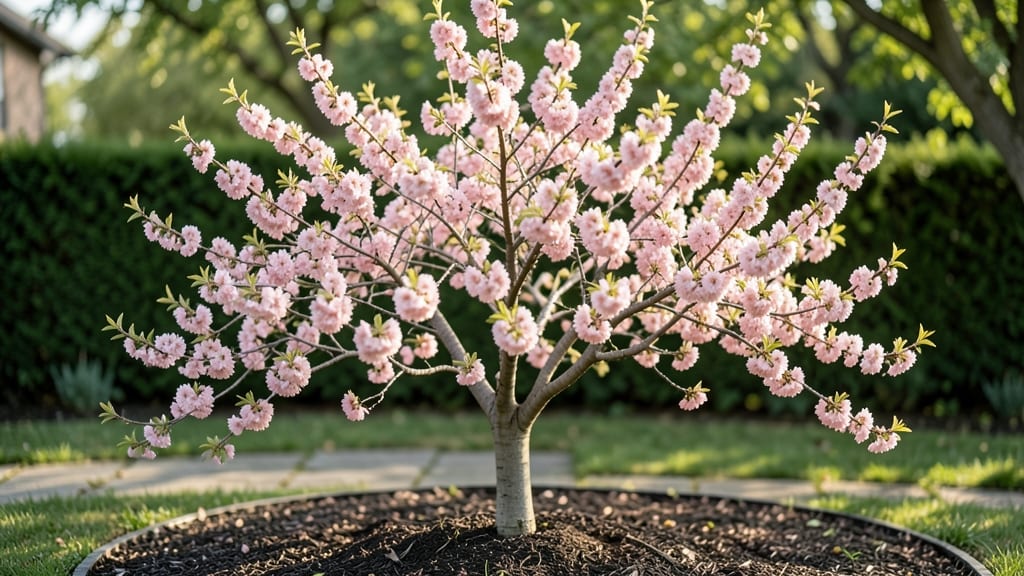
Growing a pink flowering peach tree isn't just about pretty blossoms—it's about transforming your yard into a springtime showstopper that keeps giving.
I planted mine five years ago after struggling with bare branches, and now it bursts with rosy-pink blooms from late winter through early summer, with bonus fruit if I play my cards right.
The secret lies in three pruning hacks that most gardeners miss: winter cleanup to open the canopy, late-spring thinning to boost fruit, and summer shaping to prevent overcrowding. My tree now produces 200+ blooms and a handful of peaches each year, all while staying compact enough for my small backyard.
You don't need fancy tools—just sharp pruners, a ladder, and patience.
What you'll end up with is a tree that looks like a living bouquet for months, with glossy green leaves and fragrant flowers that attract bees. The peaches are small but sweet, perfect for jams or fresh eating if you let a few ripen.
Best of all, this variety handles heat and drought better than standard peach trees.
Works in zones 5-9, though southern gardeners should prune more aggressively in summer to prevent fungal issues. Here's how to keep yours thriving year after year—no green thumb required.
📚 In This Guide
- What you need
- Instructions
- Tips and common mistakes
- Wrapping up and next steps
What you need
- ● Pruning shears: Sharp, bypass-style shears (for clean cuts on small branches). Size: 6–8 inches.
- ● Loppers: For thicker branches (1–2 inches in diameter). Size: 18–24 inches.
- ● Pruning saw: For branches thicker than 2 inches. Type: Curved-tooth saw for wood.
- ● Garden gloves: Heavy-duty, cut-resistant gloves (to protect against thorns and splinters).
- ● Disinfectant: 70% isopropyl alcohol or a bleach-water mix (1 part bleach to 9 parts water) to sterilize tools between cuts.
- ● Rubbing alcohol or hand sanitizer: For cleaning hands after pruning.
- ○ Pruning sealant (optional): Wound dressing (like Tanglefoot Tree Wound Pruning Sealer) for large cuts.
- ● Weather check: Prune on a dry, cloudy day (avoid frost or extreme heat).
- ● Safety gear: Safety glasses (to protect from debris) and long sleeves/pants.
- ● Cleanup supplies: Heavy-duty trash bags (for debris)
- ● Garden rake or broom (to clear fallen branches)
- ● Tree health assessment: Inspect the tree for diseases (like peach leaf curl) or pests before pruning.
- ● 🔥 Sharpen your tools: Dull blades tear wood, inviting infections. Sharpen shears/loppers before starting.
- ● ✨ Mark your cuts: Use chalk or tape to outline cuts on larger branches for precision.
- ● 🌡️ Work in layers: Remove 1/3 of the tree’s canopy per session to avoid stressing it.
Step-by-Step guide for pruning a pink flowering peach tree
Here’s how to keep your tree blooming beautifully year after year.
Late Winter Pruning for Structure and Airflow
Start pruning your pink flowering peach tree in late winter, just as buds begin to swell but before new growth emerges. This timing ensures you shape the tree without disturbing spring blooms. Use sharp, clean pruning shears to make cuts at a 45-degree angle, about ¼ inch above a bud facing outward. This encourages healthy growth and prevents water from pooling on the wound.
Remove any dead, diseased, or crossing branches first—they weaken the tree and block airflow. Look for branches growing inward or rubbing against others; these compete for nutrients and often break. Cut them back to the main trunk or a strong lateral branch. Aim to open up the center of the tree to at least 12 inches from the trunk for better sunlight and air circulation.
I like to step back every few cuts to visualize the tree’s shape. Your goal is to create an open, vase-like structure that lets light reach all branches. Avoid over-pruning—never remove more than 25% of the tree’s canopy in one session, or you’ll stress the tree and reduce next year’s blooms.
Light Summer Pruning for Bloom Control
After the spring bloom fades but before summer heat sets in, do a light pruning to maintain shape and encourage more flowers. Focus on trimming back any overly vigorous shoots that grew too fast after winter pruning. These shoots often grow straight up and can become leggy, producing fewer blooms.
Cut back these shoots to just above a side bud or lateral branch. This redirects energy to the remaining branches, promoting bushier growth and more flowers next season. Also, remove any suckers—those aggressive shoots growing from the base or trunk—that drain energy from the tree. Use a clean pair of hand pruners for small branches and loppers for thicker growth.
Here’s the thing—pink flowering peach trees bloom on both old and new wood, so avoid heavy pruning in late summer. If you prune too aggressively now, you risk reducing next year’s flowers. Instead, just tidy up the tree by removing any dead wood or branches that look diseased. Keep cuts clean and smooth to prevent pests from entering the tree.
Fall Cleanup for Winter Readiness
In early fall, after the tree has finished blooming for the season, do a final cleanup to prepare it for winter. Remove any remaining dead or weak branches, as well as any fruit that hasn’t ripened. While pink flowering peach trees aren’t typically grown for fruit, leaving unripe fruit on the tree can drain energy and attract pests.
Thin out any overly dense foliage to improve airflow, which helps prevent fungal diseases like peach leaf curl. If your tree is in a colder climate, consider wrapping the trunk with tree wrap or burlap to protect it from winter sunscald and rodent damage. This is especially important for young trees still establishing their roots.
Finally, rake up and dispose of any fallen leaves or debris around the base of the tree. This reduces the risk of pests and diseases overwintering in the soil. A light application of mulch (about 2-3 inches deep) around the drip line helps insulate the roots and retain moisture. Just keep the mulch a few inches away from the trunk to prevent rot.
Tips & tricks for pruning a pink flowering peach tree
A few simple tricks will help you keep your pink flowering peach tree thriving and blooming beautifully for years to come.
Timing is Everything: The late winter timing in Step 1 is absolutely critical—pruning too early can damage emerging buds, while waiting too long risks disturbing new growth. I've learned this the hard way after seeing buds damaged from early pruning. Look for swollen buds that haven't yet broken open; this is your perfect window. For colder climates, you might need to adjust slightly to avoid pruning during frost periods.
Visualizing the Vase Shape: When working through Step 1, imagine your tree forming a wide, open vase shape. Step back every few cuts to check your progress—this helps you see the overall structure rather than getting lost in individual branches. The goal is to create an open center with branches spaced at least 12 inches apart from the trunk. I've found that marking the 12-inch radius with a spray paint dot on the ground helps me visualize this distance more clearly.
Summer Pruning Secrets: In Step 2, focus on those vigorous vertical shoots that grow after winter pruning. These often grow straight up and can become leggy, which reduces flowering potential. Cut them back to just above a side bud or lateral branch—this redirecting of energy is what creates bushier growth with more blooms. I've seen trees go from sparse blooms to abundant flowers just by making this simple adjustment during summer pruning.
Fall Protection Strategy: For Step 3, if you're in a colder climate, don't skip the tree wrap or burlap protection. I've watched young trees develop winter sunscald without this protection, which can be fatal. Apply the wrap loosely—too tight can damage the bark. And remember, keep that mulch 2-3 inches deep but a few inches away from the trunk to prevent rot while still insulating the roots.
Pro Tips for Pink Flowering Peach Tree
- A few simple tricks will help you keep your pink flowering peach tree thriving and blooming beautifully for years to come.
- Timing is Everything: The late winter timing in Step 1 is absolutely critical—pruning too early can damage emerging buds, while waiting too long risks disturbing new growth.
- Visualizing the Vase Shape: When working through Step 1, imagine your tree forming a wide, open vase shape.
Frequently asked questions
Got questions about keeping your pink flowering peach tree in top shape? We’ve got answers! Whether you’re a first-time grower or a seasoned gardener, these FAQs will help you navigate pruning, blooms, and common challenges with ease.
When is the best time to prune a pink flowering peach tree for maximum blooms?
The ideal times are late winter or early spring (before buds swell) and summer (after flowering). Avoid pruning in fall—it can stimulate new growth that won’t harden off before winter. For year-round blooms, focus on light shaping cuts in summer to encourage fresh flowers.
Can a pink flowering peach tree survive harsh winters, and how do I protect it?
These trees are hardy down to USDA Zone 5, but young trees or cold snaps may need help. Wrap the trunk with burlap or tree wrap, and mulch the base with 3–4 inches of organic mulch. Avoid heavy snow buildup on branches—gently brush it off to prevent breakage.
Will my tree produce edible peaches, or is it purely ornamental?
Most pink flowering peach trees (Prunus persica ‘Pink Perfection’ or similar) are ornamental hybrids bred for stunning blooms, not fruit. However, some varieties (like ‘Bonanza’) may yield small, tart peaches. Check your tree’s label—if it’s labeled “ornamental,” skip the harvest!
Why are the leaves curling or yellowing, and how do I fix it?
Curling/yellowing often signals peach leaf curl (fungus), spider mites, or nutrient deficiency. Prune infected branches immediately, apply copper fungicide in early spring, and ensure the tree gets balanced fertilizer (10-10-10). For mites, spray with neem oil or introduce ladybugs.
What’s a good alternative if I want a low-maintenance flowering tree?
Consider cherry blossom trees (Prunus serrulata) or Japanese flowering apricot (Prunus mume)—both thrive in similar climates and offer minimal pruning needs. For year-round interest, ornamental almond trees (Prunus triloba) are another great pick with spring blooms and fall color.
Can I prune too much? How do I avoid over-pruning?
Yes! Remove no more than 25% of the canopy in one session. Over-pruning stresses the tree, reducing blooms and fruit (if applicable). Focus on open-center shaping—cut back dead, crossing, or inward-growing branches first. Step back and visualize the tree’s natural form before snipping!
Wrapping up and next steps
Transforming your pink flowering peach tree into a year-round beauty is totally within reach! With the right seasonal pruning hacks—like winter shaping, spring cleanup, and summer maintenance—you’ll encourage lush blooms, better fruit production, and a healthier tree. 🌸
Ready to take the next step? Grab your pruners, mark your calendar, and start small—even just one session can make a difference. Your tree (and future harvests!) will thank you!