
Blooming
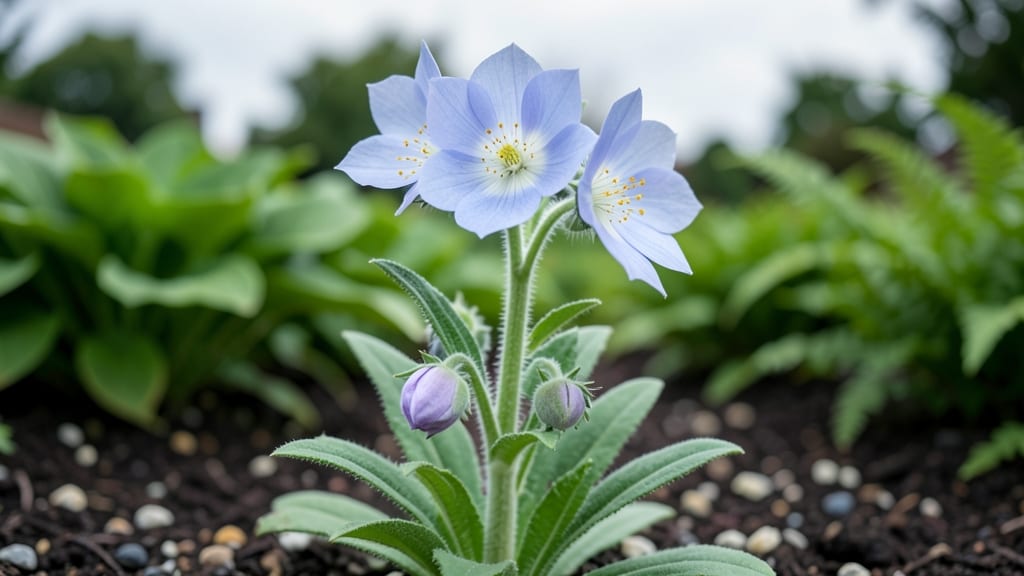
Balloon flowers (Platycodon grandiflorus) burst into bloom between mid-summer and early fall, but their exact timing depends on where you live—think late July in the South and early September in cooler zones.
I’ve watched mine transform from tight green buds into sky-blue trumpets right when my tomatoes start to fade, making them the perfect late-season drama queens.
The key to getting them to bloom on schedule is planting them in full sun and well-draining soil—too much shade or soggy roots will push back their show.
Here’s the thing—balloon flowers are patient plants. They often wait until their second year to really shine, but with the right care, you can coax earlier blooms. Deadhead spent flowers in early summer to encourage more buds, and feed them with a balanced fertilizer in spring.
My first-year plants surprised me by producing a few blooms in late summer, proving they’re not as finicky as they seem. The secret? Don’t overwater—they’d rather be slightly dry than drowning.
When they finally bloom, you’ll get vibrant blue, pink, or white flowers that stand out against foliage, plus those iconic balloon-shaped buds that add texture even before they open. Pair them with black-eyed Susans or Russian sage for a show that lasts from July through frost.
The best part? They self-seed, so you’ll likely get free bonus blooms next year without lifting a finger. Just don’t let them spread too aggressively—they can take over if you’re not careful.
If you’re in a colder zone, don’t worry—they’re hardy down to zone 3 and can handle light frost. In warmer climates, they might bloom earlier but may need afternoon shade to prevent wilting.
The real trick is giving them space: these plants spread 12–18 inches wide, so don’t crowd them. With the right spot, they’ll reward you with years of effortless color—just like clockwork.
📚 In This Guide
- What you need
- Instructions
- Tips and common mistakes
- Wrapping up and next steps
What you need
- ● Balloon flower plants – Choose healthy nursery-grown plants (1–3 per 1 sq. ft. of space) or seeds (sow indoors 10–12 weeks before last frost).
- ● Well-draining soil – Mix 1 part garden soil with 1 part compost and 1 part perlite/sand (pH 6.0–7.0).
- ● Sunlight access – Full sun to partial shade (6+ hours of light daily).
- ○ Watering can or hose – Drip irrigation (optional but ideal for consistent moisture).
- ● Fertilizer – Balanced 10-10-10 (apply at planting + monthly) or compost tea (organic alternative).
- ● Garden trowel or shovel – For planting (6–8" deep holes).
- ● Pruning shears – To trim dead blooms and encourage regrowth. Pro tip: 💡 Snip spent flowers to prolong blooming!
- ○ Mulch (optional) – 2–3 inches of straw or wood chips to retain moisture and deter weeds.
- ○ Support stakes (optional) – Tall varieties (e.g., ‘Sentimental Blue’) may need bamboo stakes for stability.
How to time balloon flower blooms for peak spring display
Here’s how I predict and encourage balloon flower blooms—so you’ll know exactly when to expect those showstopping puffs of color.
Plant in the Right Spot for Timely Blooms
Balloon flowers thrive in full sun to partial shade—at least 6 hours of direct sunlight daily for best results. I plant mine in well-draining soil with a pH between 6.0 and 7.5, which encourages strong root development and earlier blooming. The key is choosing a location where they’ll receive consistent morning sun, as afternoon shade helps prevent wilting in hotter climates.
If your garden has afternoon shade, that’s perfect—it keeps the blooms fresher longer. Watch for the first signs of growth in early spring; once the leaves appear, you’ll know the plant is established and ready for its first flush of blooms.
Understand the Growth Cycle for Predictable Blooms
Balloon flowers are perennial in most climates, meaning they’ll return year after year if cared for properly. The first blooms typically appear late spring to early summer, around 60-90 days after planting from seed or 4-6 weeks after transplanting established plants. Here’s the trick: the buds form in the previous fall, so a warm autumn encourages earlier blooming the following year.
If you’re growing from seed, expect blooms in the second year—patience pays off with bigger, more vibrant flowers. I’ve found that plants grown from seed often outperform nursery-bought ones because they develop stronger root systems over time.
Encourage Blooms with Proper Watering and Fertilizing
Water deeply once a week during the growing season, ensuring the soil is moist but not soggy. Overwatering can delay blooming, while underwatering stresses the plant. I like to water in the early morning so the foliage dries quickly, reducing the risk of fungal issues that can stunt growth.
Feed with a balanced, slow-release fertilizer in early spring, just as new growth appears. A light application of 10-10-10 or 5-10-5 formula works well. Avoid heavy nitrogen, which promotes leafy growth at the expense of flowers. You’ll notice buds forming more quickly when the plant isn’t overfed.
Deadhead and Prune for Longer Blooming Seasons
Deadheading—removing spent blooms—extends the flowering season by redirecting the plant’s energy toward new buds. I snip off faded flowers just above the next set of leaves using clean pruners. This simple step keeps the plant looking tidy and encourages a second flush of blooms in late summer to early fall.
If the plant looks leggy or overgrown, trim back the stems by one-third after the first blooming cycle. This rejuvenates the plant and often leads to a stronger display the following year. Just avoid pruning in late summer, as new growth won’t have time to harden off before winter.
Protect Blooms from Pests and Weather
Balloon flowers are generally low-maintenance, but slugs and snails can munch on new buds, especially in damp conditions. I set out beer traps or use organic slug bait around the base of the plants to keep them at bay. A light application of neem oil can also deter pests without harming the flowers.
If your area experiences late frosts, wait until after the last frost date to plant or transplant. The buds are sensitive to cold, so a little extra patience ensures your blooms won’t be damaged. Once established, balloon flowers are quite hardy and can handle USDA zones 3-9, making them versatile for most gardens.
Tips & tricks for perfect balloon flower timing
A few simple strategies will help you predict and maximize those stunning balloon flower blooms every season.
Sunlight Strategy: The 6 hours of daily sunlight mentioned in Step 1 is non-negotiable for timing blooms. I’ve found that positioning plants to catch morning sun (when temperatures are cooler) followed by afternoon shade prevents stress that can delay flowering. For hotter climates, consider using shade cloth during peak afternoon hours—this keeps buds from wilting before they even open.
Seasonal Timing Secret: Those 60-90 days from planting to first blooms can feel like a guessing game, but here’s the trick: mark your calendar from the first frost date of the previous fall. Buds form then, so a warm autumn (above 50°F) will trigger earlier spring blooms. I always note my last frost date and count forward—this gives me a precise window for when to expect those signature balloon-shaped buds.
Watering Wisdom: The once-weekly watering in Step 3 works best when you check soil moisture first. Stick your finger 1-2 inches deep—if it’s dry, water thoroughly. Overwatering (which can happen in containers) actually delays blooming by stressing the plant. I’ve seen blooms pushed back by weeks when plants sit in soggy soil, so always prioritize well-draining conditions.
Pruning Precision: When trimming back those leggy stems by one-third after the first flush, here’s what I’ve learned: use clean, sharp pruners and make cuts just above a leaf node. This encourages bushier growth and more blooms next season. I avoid late-summer pruning because new growth won’t mature enough before winter—always give plants time to harden off before cold weather arrives.
Pro Tips for When Do Balloon Flowers Bloom
- A few simple strategies will help you predict and maximize those stunning balloon flower blooms every season.
- Sunlight Strategy: The 6 hours of daily sunlight mentioned in Step 1 is non-negotiable for timing blooms.
- Seasonal Timing Secret: Those 60-90 days from planting to first blooms can feel like a guessing game, but here’s the trick: mark your calendar from the first frost date of the previous fall.
Frequently asked questions
about balloon flowers blooming—because timing is everything!When exactly do balloon flowers bloom in my region?
Balloon flowers (Platycodon grandiflorus) typically bloom from late spring to early summer, but timing varies by climate. In USDA Zones 3-8, expect blooms in May-June. In cooler regions, they may bloom later (July-August). Check your last frost date—balloon flowers thrive after soil warms to 50-60°F (10-15°C).
Why aren’t my balloon flowers blooming yet?
If your balloon flowers are slow to bloom, check these common issues:
- Insufficient sunlight: They need full sun (6+ hours/day)—move to a sunnier spot if needed.
- Over-fertilizing: Too much nitrogen = lush leaves, fewer blooms. Use a balanced 10-10-10 fertilizer sparingly.
- Stress from transplant shock: Give them 2-3 weeks to adjust after planting.
- Dormant bulbs: If planted last fall, they may need cold stratification (a winter chill) to trigger blooms.
Pro tip: Deadhead spent blooms to encourage reblooming in late summer!
Can I force balloon flowers to bloom earlier?
While you can’t rush nature, you can nudge blooming with these tricks:
- Plant bulbs in early spring (as soon as soil is workable) for a head start.
- Use a heat mat in containers to warm roots slightly (but avoid overheating!).
- Move potted balloon flowers to a sunny windowsill or greenhouse in late winter.
Warning: Forcing blooms too early in cold climates can damage tender flowers.
What can I plant with balloon flowers for year-round color?
Balloon flowers pair beautifully with these complementary bloomers:
Season
Plant Pairings
Early Spring
Crocuses, daffodils, or Allium (for height contrast).
Summer
Black-eyed Susans, coneflowers, or Salvia (drought-tolerant buddies).
Fall
Astors, chrysanthemums, or Russian sage (late-season structure).
Design tip: Their balloon-shaped buds add whimsy—try them in cottage gardens or moon gardens!
Do balloon flowers rebloom, or is it a one-time show?
Most balloon flowers are perennial and rebloom annually with proper care, but second flushes are rare unless you:
- Deadhead regularly to remove spent blooms.
- Fertilize lightly after the first bloom.
- Water deeply during dry spells (they’re drought-tolerant but love moisture).
Bonus: Some cultivars (like Platycodon ‘Royal Crown’) produce more reliable reblooms than others!
Wrapping up and next steps
Balloon flowers are a gardener’s dream—easy to grow, long-lasting, and packed with vibrant blooms that light up your space from late spring through summer. 🌸 Whether you’re a seasoned gardener or just starting, their timing and care make them a low-maintenance superstar.
Now that you know when and how to coax their best performance, it’s time to roll up your sleeves and plant, nurture, and enjoy their cheerful display!
Ready to transform your garden? Start by picking a sunny spot, prepping the soil, and planting your balloon flowers this spring—your future blooms will thank you! 🌱