
Flowers
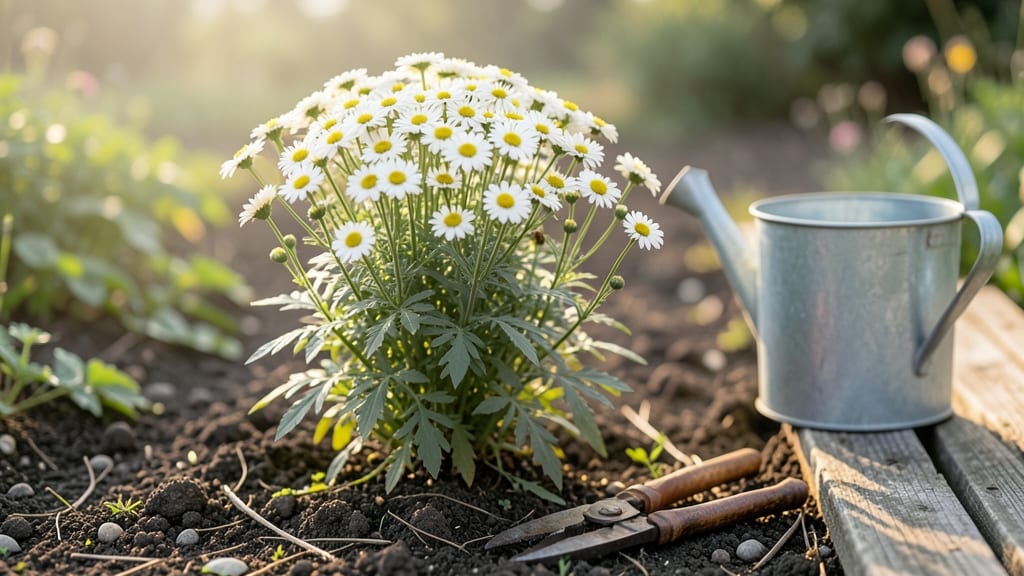
The white marigold flower is more than just a bright, pest-free garden star—its delicate petals turn any flowerbed into a sunlit sanctuary while effortlessly outshining other plants. The secret lies in their love for warmth and well-drained soil, which most gardeners overlook.
Start with a sunny spot that gets at least 6-8 hours of direct light daily, and mix in compost to give roots a nutrient boost. White marigolds prefer slightly drier soil than their orange cousins, so avoid soggy conditions.
Once planted, water them deeply once a week—more in extreme heat—to encourage strong stems and abundant blooms that last from summer through frost.
You’ll love how these flowers attract pollinators while repelling pests like nematodes and mosquitoes, making them a must-have for organic gardens. Their fragrant foliage adds a subtle citrusy note that deters unwanted critters naturally.
With minimal fuss, you’ll enjoy months of effortless blooms that brighten up pots, borders, and cutting gardens alike.
Perfect for beginners, these marigolds forgive occasional neglect—just keep them in full sun and deadhead spent blooms. Try them in containers for patios or mix them with tomatoes for a pest-free harvest. Ready to grow your own? Let’s get started with the easy steps that guarantee success.
📚 In This Guide
- What you need
- Instructions
- Tips and common mistakes
- Wrapping up and next steps
What you need
- ● Seeds: Tagetes erecta (white marigold variety) – 3-5 seeds per pot or 1 seed every 12 inches in garden beds.
- ● Potting Mix: Well-draining, organic soil blend (e.g., 50% garden soil + 50% perlite or compost).
- ○ Containers (optional): 6-8 inch pots with drainage holes or raised garden beds.
- ● Fertilizer: Balanced, slow-release granular fertilizer (e.g., 10-10-10 NPK) or liquid seaweed extract.
- ● Watering Can: With a gentle spray nozzle for seedlings.
- ● Gloves & Pruners: For handling plants and trimming dead blooms.
- ○ Stakes or Trellis (optional): If growing tall varieties (e.g., 18-24 inch stakes).
- ● Sunlight: Full sun (6+ hours daily)—marigolds thrive in bright, warm spots!
- ● Temperature: Ideal germination at 70-85°F (21-29°C); hardy to USDA Zones 2-11.
- ● Watering Schedule: Keep soil consistently moist (not soggy) until established, then water 1-2 times weekly.
- ● Spacing: Thin seedlings to 12-18 inches apart for optimal airflow.
Step-by-step guide for cultivating white marigolds in full sun
Here's how to coax vibrant white marigolds into continuous bloom—no matter the season.
🌱 Step 1: Select the Perfect Planting Site
White marigolds thrive in full sun, so choose a spot receiving 6-8 hours of direct sunlight daily. I always test locations by observing how quickly the ground dries after morning dew evaporates—this tells me whether the soil drains well enough. Avoid low-lying areas where water pools after rain, as soggy roots lead to rot.
Amend the soil with 2-3 inches of compost before planting to improve fertility and drainage. Marigolds aren’t fussy about soil type, but they reward you with more blooms when the ground is loose and rich. Till the compost into the top 6 inches of soil, then rake the surface smooth. You’ll see the difference in root development within weeks.
🌱 Step 2: Plant Seeds or Transplants at the Right Time
Start seeds indoors 6-8 weeks before your last frost date or sow directly outdoors after soil warms to 60°F. I’ve found that waiting until nighttime temperatures stay above 55°F prevents seedling shock. Plant seeds ¼ inch deep, spacing them 12 inches apart in rows 18 inches apart—this gives mature plants room to flourish without crowding.
If using transplants, harden them off for 7-10 days before moving outdoors. Look for sturdy stems and dark green leaves—these indicate healthy, resilient plants. Transplant in the late afternoon to reduce stress from midday sun. Water deeply right after planting to settle the soil around roots and encourage quick establishment.
☀️ Step 3: Maintain Consistent Watering and Fertilization
Water marigolds 1-1.5 inches per week, aiming for deep, infrequent watering rather than shallow daily doses. The key is keeping the soil evenly moist but never soggy—you’ll know you’ve got it right when the top 1-2 inches of soil feel dry before the next watering. Overwatering causes yellowing leaves and stunted growth, while underwatering stresses plants and reduces bloom production.
Feed plants with a balanced 10-10-10 fertilizer every 4-6 weeks during the growing season. I switch to a low-nitrogen, high-phosphorus formula (like 5-10-10) once buds form to encourage more blooms. Always water before fertilizing to prevent root burn. You’ll notice a surge in flower production within 2-3 weeks of applying the right nutrients.
✂️ Step 4: Prune and Deadhead for Continuous Blooms
Pinch back the tips of young plants when they reach 6 inches tall to encourage bushier growth. This simple step prevents leggy stems and promotes more lateral branches, which translate to more flowers. Use clean, sharp pruners to make cuts just above a leaf node—this ensures new growth will sprout from the exact spot.
Deadhead spent blooms regularly by snipping the flower stem back to the nearest set of leaves. I do this every 3-4 days during peak bloom season to redirect the plant’s energy into producing new flowers instead of setting seed. You’ll see a second flush of blooms within 10-14 days if you stay on top of deadheading. Avoid cutting into woody stems, as marigolds are tender and heal slowly.
🌿 Step 5: Extend the Blooming Season with Seasonal Care
In cooler climates, protect marigolds from early frosts by covering plants with frost cloth or moving containers indoors before temperatures drop below 40°F. I’ve kept marigolds blooming well into fall by providing supplemental grow lights for 12-14 hours daily when natural light dwindles. This mimics longer daylight hours and tricks plants into continuing their flowering cycle.
For year-round blooms in warm climates, mulch plants with 2-3 inches of straw or shredded leaves to retain moisture and regulate soil temperature. Remove mulch in late winter to allow the soil to warm up for spring planting. You’ll find that marigolds reward consistent care with nonstop blooms, even in less-than-ideal conditions.
Tips & tricks for perfect white marigold cultivation
Let me share the hard-won wisdom that will turn your white marigolds from mere survivors to showstopping bloomers.
Sunlight Strategy: Those 6-8 hours of direct sunlight aren't just a recommendation—they're non-negotiable for white marigolds. I've seen plants wilt dramatically when moved to partial shade, even if they seemed healthy before. Place them where they'll receive morning sun and afternoon light, avoiding spots where trees or buildings cast shadows after noon. A simple test: If your hand feels warm in the spot at midday, your marigolds will thrive there.
Soil Science: The 2-3 inches of compost isn't just about fertility—it's about creating the perfect air-to-water ratio in the soil. I've noticed that marigolds in amended soil develop roots that are twice as dense as those in unamended ground. For maximum bloom potential, mix in a handful of perlite or coarse sand to prevent compaction, especially in clay-heavy soils. This loose structure encourages deeper root penetration, which translates to more stable plants during wind or rain.
Timing Tactics: That 7-10 day hardening-off period for transplants might seem excessive, but trust me—it's worth every minute. I once skipped this step with tender seedlings and lost half my plants to transplant shock within 48 hours. The key is gradual exposure: start with 2 hours of afternoon sun on day one, then add 1-2 hours each subsequent day. This mimics natural conditions and prevents the stress that causes leaves to curl or yellow.
Seasonal Extension: When using supplemental grow lights for 12-14 hours daily, position them just above the plant canopy—not too close, or you'll scorch leaves. I've found that LED grow lights with a full spectrum (including red and blue wavelengths) produce the best results. Place them on a timer to maintain consistency, and rotate plants weekly so all sides receive equal light exposure. This prevents leggy growth and ensures uniform blooming across your entire plant.
Pro Tips for White Marigold Flower
- Let me share the hard-won wisdom that will turn your white marigolds from mere survivors to showstopping bloomers.
- Sunlight Strategy: Those 6-8 hours of direct sunlight aren't just a recommendation—they're non-negotiable for white marigolds.
- Soil Science: The 2-3 inches of compost isn't just about fertility—it's about creating the perfect air-to-water ratio in the soil.
Frequently asked questions
Got questions about growing white marigolds? You’re not alone!
Here are some of the most common concerns—plus quick, practical answers to keep your garden blooming beautifully.
How long does it take for white marigolds to flower after planting?
White marigolds typically bloom 6–8 weeks after sowing seeds (or 4–6 weeks after transplanting seedlings). For faster results, start seeds indoors 4–6 weeks before the last frost. Patience pays off—once they bloom, they’ll reward you with vibrant, long-lasting flowers!
Can I grow white marigolds in containers, or do they need a garden bed?
White marigolds thrive in containers as long as the pot is at least 12 inches deep and has drainage holes. Use well-draining potting mix and place them in a sunny spot. Just ensure they get enough water, as containers dry out faster than garden beds.
Why aren’t my white marigolds blooming? Troubleshooting tips!
If your marigolds are growing leaves but no flowers, check these common issues:
- Not enough sunlight: They need 6+ hours of direct sun daily.
- Over-fertilizing: Too much nitrogen = leafy growth, not blooms. Use a low-nitrogen, high-phosphorus fertilizer instead.
- Deadheading: Pinch off spent blooms to encourage more flowers.
Are white marigolds deer-resistant? Will they repel pests?
Yes! White marigolds are deer-resistant and act as natural pest deterrents. Their strong scent repels nematodes, aphids, and even rabbits. Plant them near vegetables like tomatoes or peppers to keep pests away. It’s like having a tiny, fragrant security system!
Can I save seeds from white marigolds for next year?
You bet! Let a few blooms fully dry on the plant (they’ll turn brown and papery). Then, collect the seeds inside. Store them in a cool, dry place until next spring. Pro tip: Label your seed packets to avoid mix-ups—white marigolds are stunning but can cross-pollinate with other varieties.
Wrapping up and next steps
Growing white marigolds is a rewarding journey that brings bright, cheerful blooms to your garden year-round with just a little care! 🌸 From choosing the right soil to mastering sunlight and watering, you now have all the sun-loving secrets to help these beauties thrive.
Whether you're a beginner or a seasoned gardener, their resilience and stunning petals make them a perfect addition to any outdoor space.
Ready to transform your garden? Start by picking a sunny spot, prepping your soil, and planting your seeds or seedlings this weekend—your white marigolds will thank you with vibrant blooms in no time! 🌞