
Flowers
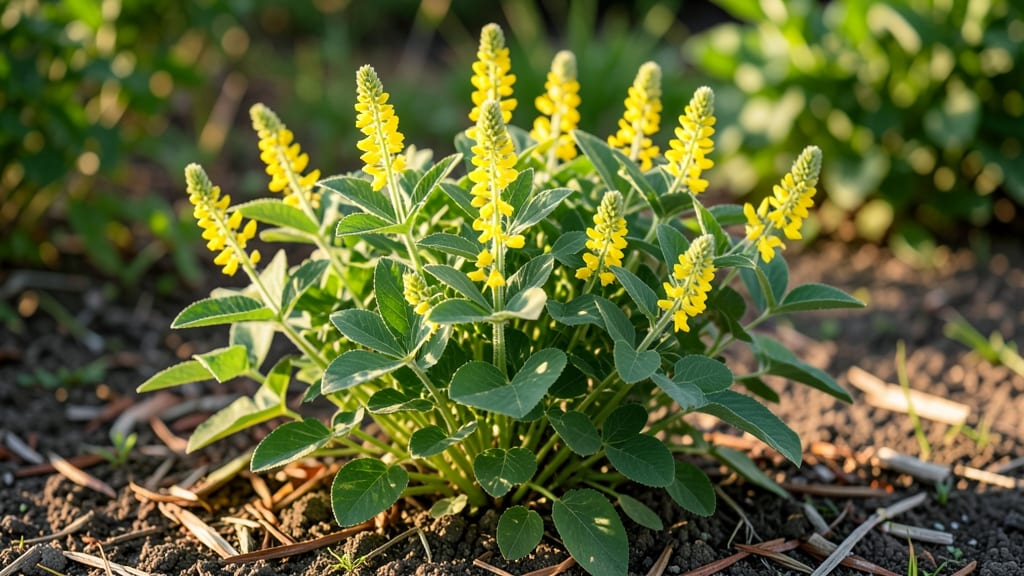
Transform your garden into a buzzing haven with yellow alfalfa flowers—their golden blooms don’t just dazzle, they turn your yard into a five-star hotel for bees, butterflies, and hummingbirds. 🌻 I planted mine last spring along the fence line, and by summer, the air hummed with pollinators I’d never seen before.
The secret? Their nectar-rich flowers keep working hard from late spring through frost, making them the ultimate low-maintenance star.
These sun-loving perennials thrive in poor soil and drought once established, so they’re perfect for wildflower meadows, pollinator borders, or even container gardens. Pair them with purple coneflowers or lavender for a striking color contrast, or let them self-seed for a natural, golden meadow effect.
They even fix nitrogen in the soil—free fertilizer for your other plants!
Imagine stepping outside to the scent of honey and the sight of bees lazily sipping nectar from your fence line. Yellow alfalfa flowers deliver that dream with minimal effort.
Their cheerful blooms brighten shady corners too, and their seed pods add winter interest. Best of all? They’re deer-resistant, so you won’t lose them to hungry critters.
Whether you’re designing a pollinator paradise or just want a low-fuss, high-impact plant, these golden blooms are your secret weapon. Let’s get them growing—your garden’s new favorite guests will thank you!
📚 In This Guide
- What you need
- Instructions
- Tips and common mistakes
- Wrapping up and next steps
What you need
- ● Alfalfa seeds (Medicago sativa) – Choose a pollinator-friendly variety like ‘Alfalfalfa’ or ‘Yellow Sweet Clover’ (1–2 lbs for a small plot, 5+ lbs for larger areas).
- ● Well-draining soil – Alfalfa thrives in sandy loam or clay-loam soil with a pH of 6.5–7.5. Test your soil if unsure!
- ● Sunlight access – Full sun (6+ hours daily) is a must for robust growth.
- ● Water source – A hose or drip irrigation system (alfalfa needs 1–1.5 inches of water weekly, especially during dry spells).
- ○ Compost or organic fertilizer – Optional but helpful for nutrient-rich soil (e.g., 10-10-10 NPK ratio or alfalfa-specific fertilizer).
- ● Garden trowel or hoe – For planting and soil prep.
- ● Rake – To level the planting area.
- ● Garden gloves – Protect your hands from prickly stems.
- ● Row marker or stakes – Helps maintain spacing (alfalfa needs 6–12 inches between plants).
- ○ Mulch (optional) – Straw or wood chips to retain moisture and suppress weeds.
- ● Patience! Alfalfa can take 30–60 days to germinate and 60–90 days to bloom.
- ● Check local regulations—some areas restrict alfalfa due to its deep root system (may compete with crops).
- ● If planting in containers, use a 5-gallon pot minimum with drainage holes.
Step-by-Step guide to growing vibrant yellow alfalfa flowers
Here's how to transform your garden into a buzzing paradise with these cheerful, bee-loved blooms.
🌱 Step 1: Choose the Perfect Planting Location
Yellow alfalfa thrives in full sun—at least 6-8 hours daily—so scout your yard for the sunniest spot possible. I always pick a location with well-draining soil because soggy roots lead to weak stems and fewer blooms. If your soil feels heavy when squeezed, mix in 2-3 inches of compost to improve drainage and fertility.
Alfalfa's deep roots mean it needs space—plant 12-18 inches apart in rows 2 feet apart to give roots room to spread. If you're planting near other perennials, avoid shade-casters like tall sunflowers or corn. The more sun, the more cheerful those golden blooms will be!
☀️ Step 2: Prepare Soil and Plant Seeds
Break up the soil to a depth of 6 inches with a garden fork, removing any rocks or debris that could hinder root growth. Sprinkle 1 cup of 10-10-10 fertilizer (or organic equivalent) over the area and work it into the top 4 inches of soil. This gives your alfalfa a nutrient boost right from the start.
Scatter seeds ¼ inch deep—they’re tiny, so I like to mix them with a little sand first for even distribution. Water gently but thoroughly until the soil is moist 2 inches down. Keep the area consistently damp (not soggy) until germination, which usually takes 7-14 days. Watch for the first tiny green shoots—this is your cue to reduce watering slightly.
💧 Step 3: Maintain Moisture and Fertility
Once seedlings reach 3-4 inches tall, they’re ready for their first deep watering—1 inch per week, more if your area experiences a heatwave. Alfalfa is drought-tolerant once established, but young plants need steady moisture to develop strong root systems. Water at the base in the morning to prevent fungal issues from evening dampness.
Every 6-8 weeks, top-dress with ½ cup of compost or a low-nitrogen fertilizer (like 5-10-10) to encourage blooming. Too much nitrogen makes plants focus on leaves instead of flowers. You’ll know you’re on track when you see those bright yellow clusters forming—they’ll start appearing after about 60 days!
✂️ Step 4: Encourage Continuous Blooms
Here’s the secret to year-round color: deadhead spent blooms regularly. Snip off faded flower clusters with clean shears, cutting just above the first set of leaves. This redirects the plant’s energy into producing more flowers instead of seed pods. I do this every 2-3 weeks during peak bloom season.
If your alfalfa starts to look leggy or overgrown, give it a light trim—cut back one-third of the plant’s height in early spring. This rejuvenates growth and keeps the plant compact. Just avoid heavy pruning in late summer, as new growth won’t have time to harden off before winter.
Tips & tricks for perfect yellow alfalfa flowers
Here's what nobody tells you about growing these golden blooms that'll make your garden hum with life!
Sunlight Strategy: Those 6-8 hours of daily sun are non-negotiable—think of it as alfalfa's vitamin D! I've learned the hard way that even partial shade can turn those vibrant yellow blooms into sad, pale shadows. If your yard has limited sun, consider planting alfalfa in containers where you can move them to follow the sun's path throughout the day.
Soil Preparation Secret: The 6-inch deep soil prep in Step 2 isn't just about breaking up clumps—it's about creating an airy environment for those deep roots. I like to add a handful of perlite or coarse sand to the 2-3 inches of compost we're mixing in. This creates tiny air pockets that prevent waterlogging, which is especially important if your area gets heavy rains.
Germination Watch: Those 7-14 days until germination can feel like forever, but don't be tempted to overwater! The soil should stay consistently damp but never soggy—think of it like a wrung-out sponge. I use a spray bottle to mist the area daily rather than pouring water, which helps maintain that perfect moisture level without disturbing the tiny seeds.
Bloom Timeline: The 60-day wait for those first yellow clusters is worth every minute! To encourage blooming, I've found that a light pinch of the growing tips when plants reach about 6 inches tall can stimulate bushier growth and more flowers. Just be gentle—you're not pruning, you're just giving the plant a little nudge to focus on flowering instead of reaching for the sky.
Pro Tips for Yellow Alfalfa Flowers
- Here's what nobody tells you about growing these golden blooms that'll make your garden hum with life!
- Sunlight Strategy: Those 6-8 hours of daily sun are non-negotiable—think of it as alfalfa's vitamin D!
- Soil Preparation Secret: The 6-inch deep soil prep in Step 2 isn't just about breaking up clumps—it's about creating an airy environment for those deep roots.
Frequently asked questions
Got questions about growing and enjoying yellow alfalfa flowers? Here are some of the most common ones—and their answers!
When is the best time to plant yellow alfalfa flowers?
Alfalfa thrives in cool to moderate climates and is best planted in early spring or late summer. Avoid planting in hot, dry spells—young seedlings need consistent moisture. In warmer zones (USDA 7-10), opt for fall planting to escape summer heat. Pro tip: Soak seeds overnight in warm water before planting for faster germination!
Do yellow alfalfa flowers attract bees and butterflies?
These pollinator magnets are a top choice for bees, butterflies, and hummingbirds. Their high nectar content makes them a favorite, especially in early spring when other flowers are scarce. For extra buzz, plant them near herbs like lavender or borage to create a super pollinator buffet.
How long does it take for alfalfa flowers to bloom?
With ideal conditions, you’ll see first blooms in 60-90 days after planting. However, alfalfa is a perennial in many climates, so once established, it can flower year-round in mild winters or spring through fall in cooler zones. Patience pays off—healthy plants reward you with continuous golden blooms!
Why aren’t my alfalfa flowers opening?
If your alfalfa buds aren’t blooming, check these common culprits:
- Overcrowding: Thin seedlings to 6-12 inches apart for better airflow.
- Nutrient deficiency: Add phosphorus-rich fertilizer (like bone meal) to encourage flowering.
- Too much nitrogen: Alfalfa blooms best with balanced NPK (5-10-10)—avoid heavy nitrogen feeds.
- Drought stress: Deep water 1-2 times per week during dry spells.
Still struggling? Try hand-pollinating buds with a soft brush to trigger blooms.
Can I grow yellow alfalfa in containers?
Yes! Alfalfa adapts well to large containers (12+ inches deep) with good drainage. Use a well-draining potting mix and a pot with at least 18 inches in diameter for mature plants. Place in full sun and fertilize lightly every 4-6 weeks. Just note: Container-grown alfalfa may flower less prolifically than in-ground plants but still makes a beautiful pollinator haven!
Wrapping up and next steps
Yellow alfalfa flowers aren’t just a stunning sight—they’re a powerhouse for pollinators, offering year-round nectar and a vibrant boost to any garden.
Whether you’re a gardener, nature lover, or eco-conscious enthusiast, these golden blooms are an easy and rewarding way to support bees, butterflies, and hummingbirds while adding beauty to your space. 🌼
Ready to make a difference? Start small—plant a few seeds or a single patch—and watch your garden transform into a thriving pollinator paradise. Every bloom counts, so take that first step today!