
Flowers
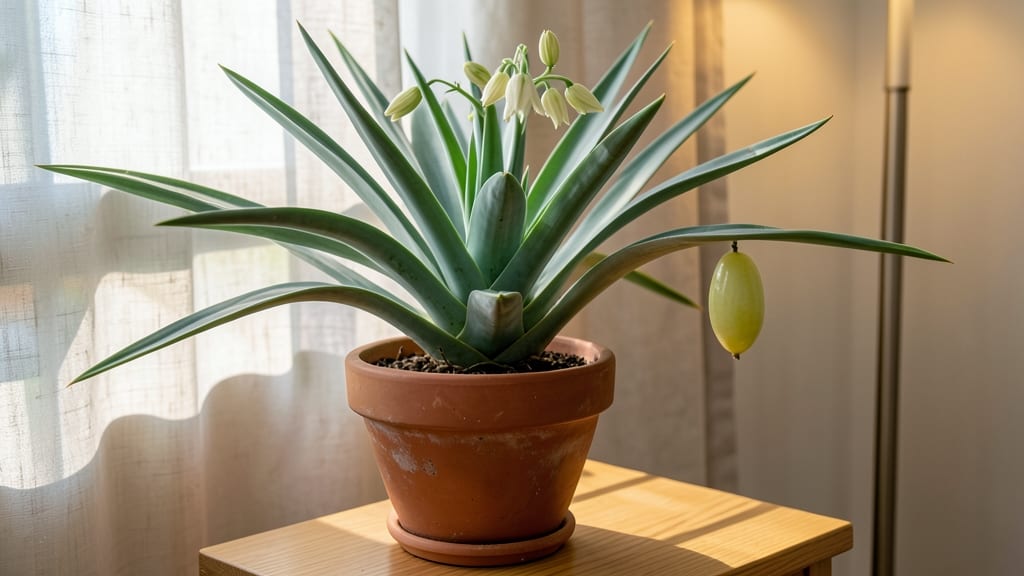
Yucca flowers aren't just striking—they're edible, and I've turned them into everything from fritters to syrups. 🌿 But here's the catch: only certain parts are safe, and preparation matters.
The blooms must be fully opened, bright yellow, and harvested from non-toxic varieties like Yucca filamentosa or Yucca gloriosa—never the bitter, milky sap or roots.
Before you harvest, confirm your plant's identity with a local extension office or botanist. The flowers taste slightly sweet with a citrusy bite, but raw ones can be tough—blanching or frying softens them.
I start by simmering them in honeyed water for a floral syrup that pairs perfectly with vanilla ice cream, or I coat them in batter and pan-fry for a crispy appetizer.
What you’ll end up with is a unique, locally foraged ingredient that elevates dishes with a subtle floral note. The texture transforms from rubbery to delicate when cooked right, and the flavor lingers like a cross between asparagus and lilac.
Just avoid the base of the flower where toxins hide—this is where most mistakes happen.
Works best in early summer when blooms peak, and the technique scales from a single flower to a whole bush. Start small, taste as you go, and you’ll have a conversation starter (and a delicious one) at your next gathering.
📚 In This Guide
- What you need
- Instructions
- Tips and common mistakes
- Wrapping up and next steps
What you need
- ● Fresh yucca flowers: Harvest 10–15 blooms (ensure they’re pesticide-free and from a non-toxic plant—see safety tips below!)
- ● Sharp kitchen shears or pruning shears: 1 pair (sterilized with rubbing alcohol for clean cuts)
- ● Large mixing bowl: 1 (sturdy, for rinsing and soaking)
- ● Fine-mesh strainer or colander: 1 (to drain water)
- ● Baking sheet: 1 (lined with parchment paper for drying)
- ● Salt: 1 tsp (for blanching, if desired)
- ● Cooking oil or butter: 2–3 tbsp (for sautéing or frying)
- ● Basic pantry staples: Garlic (2–3 cloves, minced)
- ● Lemon juice (1 tbsp, for brightness)
- ● Herbs (e.g., parsley, thyme, or cilantro)
- ● Field guide or yucca plant ID app: To confirm your plant is non-toxic (e.g., Yucca filamentosa or Yucca gloriosa)
- ● Gloves (nitrile or food-safe): To protect hands from sap or prickly stems
- ● Blender or food processor: For making yucca flower tempura batter or purees
- ● Honey or maple syrup: 1–2 tbsp (to sweeten desserts like fritters)
- ● Cheesecloth or paper towels: For patting dried petals dry before cooking
Step-by-step guide to harvesting and preparing yucca flowers
Here's how to safely gather and use these striking blooms—no fancy tools needed.
🌿 Step 1: Identify the Right Time to Harvest
Wait until the flower buds open fully but remain fresh—typically in late spring or early summer, when the blooms are still firm and upright. The best time to harvest is in the morning after the dew has dried but before the sun gets too intense. Look for buds that are just beginning to unfurl; these will be at their peak flavor and texture.
I always check for any signs of pests or damage before harvesting. If you see small holes or chewed edges, skip that bloom—it might be bitter or unsafe. The flowers should smell lightly sweet, not musty or sour. Harvesting too early means tough, underdeveloped buds, while waiting too late can result in overly soft, bitter flowers that lose their delicate flavor.
✂️ Step 2: Cut Flowers Properly for Freshness
Use clean, sharp scissors or pruning shears to snip the flower stalks about 2 inches below the base of the bloom cluster. This prevents damaging the plant and encourages more growth. Make a clean cut at a 45-degree angle to increase surface area for water absorption if you plan to store them.
Remove any wilted or damaged petals immediately—they can draw moisture away from the rest of the bloom. Place the cut flowers in a bucket of cool water for 10-15 minutes to revive them before using. This step is crucial if you're harvesting from a hot, dry climate where flowers can wilt quickly in the heat.
💧 Step 3: Clean and Prepare Flowers for Cooking
Rinse the flowers under cool running water to remove any dirt, insects, or debris. Gently pat them dry with a clean kitchen towel or paper towels—don’t rub too hard, as this can bruise the delicate petals. Separate the individual flowers from the stalk by twisting them gently at the base. Discard any yellowed or discolored parts, as these can affect the flavor.
Here's the thing—yucca flowers have a mild, slightly sweet taste similar to asparagus or green beans, but they can be bitter if not prepared correctly. To reduce bitterness, blanch the flowers in boiling water for 30 seconds, then plunge them into ice water to stop the cooking process. This step also helps soften the texture, making them easier to eat.
☀️ Step 4: Cook or Use Flowers Freshly
Yucca flowers shine in dishes where their unique texture and mild flavor can stand out. Sauté them in butter or olive oil with garlic and herbs for 3-5 minutes until tender but still crisp. They also work beautifully in salads, where their bright color and subtle taste add a gourmet touch. For a more intense flavor, try pickling them in a vinegar brine with spices like mustard seeds or dill.
If you're not using them immediately, store the cleaned flowers in an airtight container in the refrigerator for up to 3 days. For longer storage, you can freeze them after blanching—just spread them on a tray to freeze solid first, then transfer to a freezer bag. This preserves their texture and flavor for up to 3 months, perfect for when you're ready to cook them later.
Tips & tricks for perfect yucca flower harvesting
Real talk: Harvesting and preparing yucca flowers takes patience, but these small details make all the difference.
Timing is Everything: The 10-15 minute water revival step in Step 2 is your secret weapon for wilted flowers. If you're harvesting in extreme heat, extend this to 20 minutes—just don't let them sit in water longer than that or they'll start to absorb too much moisture and become soggy. I've learned this the hard way after ruining perfectly good blooms by leaving them soaking too long.
Blanching Technique: That 30-second blanch in Step 3 isn't just about reducing bitterness—it's also about setting the perfect texture. Use a timer! The moment the flowers hit the ice water bath, start your timer. Over-blanching by even 5 seconds can turn them mushy, while under-blanching leaves them tough and bitter. I think this works because the quick heat shock preserves their delicate cellular structure.
Storage Wisdom: When freezing for up to 3 months, don't skip the tray-freezing step before bagging. This prevents the flowers from sticking together into one solid block. After they're frozen solid, transfer to a freezer bag with all the air squeezed out. Label with the date—trust me on this, frozen yucca flowers can last longer than you think if stored properly.
Pro Tips for Yucca Flowers Edible
- Real talk: Harvesting and preparing yucca flowers takes patience, but these small details make all the difference.
- Timing is Everything: The 10-15 minute water revival step in Step 2 is your secret weapon for wilted flowers.
- Blanching Technique: That 30-second blanch in Step 3 isn't just about reducing bitterness—it's also about setting the perfect texture.
Frequently asked questions
Got questions about harvesting and eating yucca flowers?
Here are some of the most common ones—plus clear, practical answers to help you navigate this unique culinary adventure safely and confidently.
Are all yucca flowers edible, or are some toxic?
Not all yucca flowers are safe to eat! Only Yucca filamentosa (Adam’s needle) and Yucca gloriosa (Spanish dagger) are commonly consumed. Avoid Yucca brevifolia (Joshua tree) and Yucca rostrata—they contain toxic saponins. Always double-check the species before harvesting!
When is the best time to pick yucca flowers for eating?
The ideal time to harvest is when the buds are still closed but firm—this is when they’re most tender and flavorful. Avoid picking fully bloomed flowers, as they can be tough and less palatable. Early morning harvests yield the freshest buds, and always use clean, sharp scissors to avoid damaging the plant.
How do I prepare yucca flowers for cooking?
Start by blanching the buds in boiling water for 2–3 minutes to remove bitterness, then peel off the outer layers. For a crisp texture, fry them like artichokes or steam them for a milder flavor. Some cultures also dry and grind them into a flour-like consistency—experiment to find your favorite preparation!
Can I grow yucca flowers at home for eating?
Yes! Yucca plants thrive in USDA zones 4–11 and prefer full sun and well-draining soil. They’re drought-tolerant but benefit from occasional watering. If you’re growing them for food, choose a non-toxic species like Yucca filamentosa and avoid pesticides—organic care ensures safety for eating.
What should I do if I accidentally eat a toxic yucca flower?
If you suspect ingestion of a toxic variety, seek immediate medical attention. Symptoms may include nausea, vomiting, or stomach pain. Keep the plant’s ID handy for healthcare providers. When in doubt, never risk it—stick to confirmed edible species and harvest responsibly!
Wrapping up and next steps
Discovering that yucca flowers are edible opens up a world of culinary creativity—and sustainability! 🌱 From delicate petals to flavorful buds, these versatile blooms can elevate dishes with a unique, slightly citrusy touch.
Just remember to harvest responsibly, identify the plant correctly, and prepare them safely to enjoy their mild, refreshing taste.
Ready to experiment? Start small—try adding a few petals to salads, teas, or fritters. Your kitchen (and your garden) will thank you! Happy foraging! 🌸