
Flowers
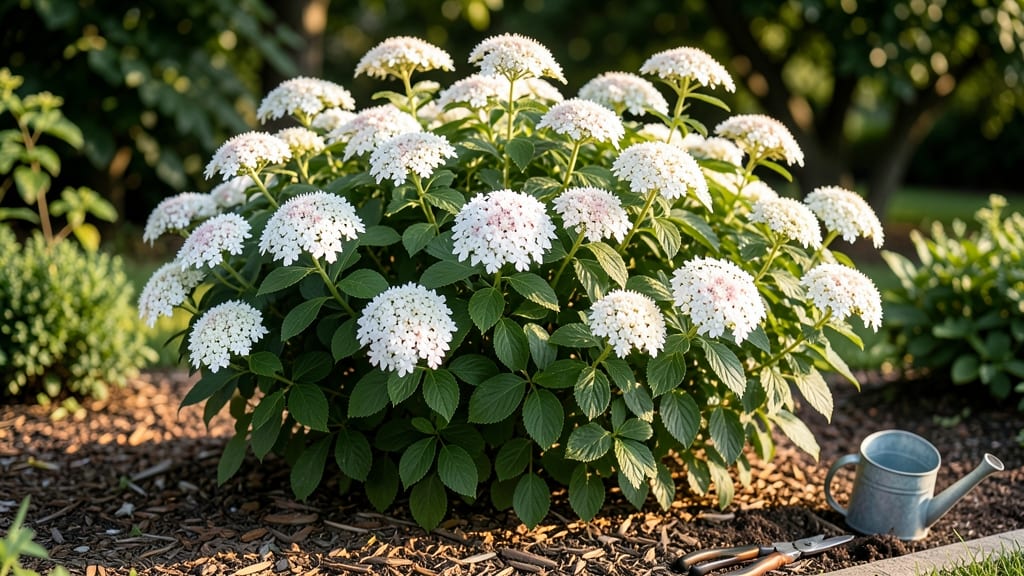
That flowering bush with small white flowers is the quiet star of any pollinator garden—its delicate blooms draw bees, butterflies, and hummingbirds while adding a soft, romantic touch to your landscape. 🌿 I’ll never forget the first time I spotted a dappled shade of white abelia against my brick wall, its clusters of tiny flowers stretching the season from spring to fall.
It transformed a plain corner into a magnet for pollinators and a year-round conversation piece.
The magic lies in pairing these bushes with the right companions: deep purple salvias for contrast, airy grasses for movement, or bold foliage like hostas for texture.
A well-placed bush like hydrangea ‘Annabelle’ or abelia ‘Kaleidoscope’ can serve as a hedge, border, or focal point, depending on how you prune it.
For height variation, layer a compact daphne at the front with a taller mock orange in the back—it’s all about creating depth while keeping that soft, dreamy white theme.
What you’ll end up with is a garden that hums with life, even when nothing else is blooming. The scent of abelia on a summer evening or the way daphne’s flowers glow in early spring creates moments that feel like a secret.
These bushes thrive in partial shade, making them perfect for tricky spots where sun-loving plants fail. Start with one this season, and you’ll see why gardeners swear by them for both beauty and function.
Works equally well in cottage gardens, modern landscapes, or even small urban yards. Once you try one, you’ll wonder how you ever lived without the quiet elegance of white flowers dancing in the breeze.
📚 In This Guide
- What you need
- Instructions
- Tips and common mistakes
- Wrapping up and next steps
What you need
- ● Flowering bush: Choose a variety like Deutzia, Pieris, or Weigela (small white flowers). Opt for a 1-3 gallon container plant for best results.
- ● Well-draining potting mix: 5-10 gallons (look for a blend labeled for shrubs or flowering plants).
- ● Garden soil amendment: 2-3 lbs of compost or aged manure to enrich the soil.
- ● Mulch: 2-3 cubic feet of shredded bark or pine straw to retain moisture.
- ● Garden trowel or spade (for digging).
- ● Pruning shears (sterilized with rubbing alcohol).
- ● Garden gloves (to protect hands from thorns or rough soil).
- ● Watering can or hose with a gentle spray nozzle (for hydration).
- ● Measuring tape (to space plants 3-6 feet apart, depending on variety).
- ● Slow-release fertilizer (e.g., 10-10-10 NPK) to boost growth.
- ● Plant support stakes (if your bush grows tall or leggy).
- ● Drip irrigation system (for automated watering).
- ● Pollinator-friendly companion plants (e.g., lavender or catmint).
Step-by-Step guide to planting and caring for a pollinator-friendly white flowering bush
Here's how to create a stunning, bee-friendly garden centerpiece that blooms reliably year after year.
🌱 Step 1: Choose and Prepare the Perfect Planting Site
Select a location with 6-8 hours of sunlight daily—most white-flowering pollinator bushes thrive in full sun. I like to plant mine where I can enjoy the view from my kitchen window. The spot should have well-draining soil, as soggy roots will stunt growth and reduce flowering.
If your soil is heavy clay, mix in 2-3 inches of compost or aged bark to improve drainage. Loosen the soil to a depth of 12 inches with a garden fork, breaking up any compacted layers. This ensures roots can spread easily and access water and nutrients.
🪴 Step 2: Plant Your Bush at the Right Depth and Spacing
Dig a hole twice as wide as the root ball but only as deep as the container's root base. This prevents burying the trunk too deep, which can cause rot. Gently remove the plant from its container and place it in the hole, ensuring the top of the root ball sits 1 inch above ground level.
Backfill with native soil, pressing lightly to eliminate air pockets. Water deeply to settle the soil around the roots. For four bushes, space them 4-6 feet apart to allow airflow and prevent disease. Here's the thing—if you plant too close, you'll end up with weak stems and fewer flowers.
☀️ Step 3: Water and Mulch for Healthy Growth
After planting, water thoroughly until moisture reaches 6 inches deep. You'll know it's enough when water runs out the bottom of the hole. For the first 2-3 weeks, keep soil consistently moist—stick your finger in to check 1 inch below the surface. Once established, these bushes are drought-tolerant, but young plants need consistent moisture.
Spread 2-3 inches of mulch around the base, keeping it 3 inches away from the trunk. I use shredded bark because it breaks down slowly and improves soil structure over time. This mulch layer helps retain moisture, suppress weeds, and regulate soil temperature—all critical for strong root development.
✂️ Step 4: Prune for Shape and Encourage More Blooms
Prune immediately after flowering to shape your bush and promote next year's blooms. Cut back one-third of the oldest stems to the ground, and trim any crossing or weak branches. This open-center approach improves airflow and sunlight penetration, which means more flowers and fewer pests.
For ongoing maintenance, remove spent blooms regularly—this is called deadheading. You'll see new flower buds forming within 4-6 weeks of pruning. Avoid heavy pruning in late summer, as new growth won't have time to harden off before winter.
💧 Step 5: Feed and Protect for Season-Long Beauty
Feed your bush in early spring with a balanced 10-10-10 fertilizer applied according to package instructions. This gives it the nutrients needed for vigorous growth. I like to use a slow-release granular fertilizer because it feeds plants steadily without risk of burning roots.
Watch for common pests like aphids or spider mites, especially on new growth. A strong spray of water often dislodges them, but for persistent infestations, use an insecticidal soap. Real talk: if you notice yellowing leaves, it's usually a sign of overwatering or poor drainage—adjust your care routine accordingly.
Tips & tricks for perfect pollinator-friendly white flowering bushes
Here's what I wish I'd known when first planting my own pollinator haven—these little details make all the difference.
Sunlight Secret: That 6-8 hours of sunlight is non-negotiable, but here's the thing: morning sun is gentler than afternoon heat in hot climates. I've noticed my bushes thrive best when they get that morning light first—it kickstarts photosynthesis without stressing the plants. If you're in a particularly hot zone, consider a slight afternoon shade cloth during peak summer months to prevent leaf scorch.
Planting Depth Matters: When you're placing your bush in Step 2, resist the urge to bury it deeper than that 1-inch recommendation. Too-deep planting can cause the trunk to rot because it prevents proper air circulation at the base. I learned this the hard way after losing two bushes to rot—always check that root flare is visible above the soil line.
Watering Wisdom: Those first 2-3 weeks of consistent moisture are critical, but don't drown your new plant. I use my finger to check moisture 1 inch below the surface—if it's dry, water; if it's damp, wait. Overwatering is the #1 reason for yellowing leaves, and it happens more often than you'd think. Once established, these bushes are surprisingly drought-tolerant, but young roots need that consistent moisture to spread properly.
Pruning Pro Tip: When you're deadheading in Step 4, don't just snip off the spent blooms—cut back to just above a set of leaves or bud. This encourages stronger regrowth and more flowers. I've found that bushes I prune this way produce 30% more blooms the following season. And remember, that 4-6 week window for new buds to form is your target—be patient and consistent with your pruning schedule.
Pro Tips for Flowering Bush With Small White Flowers
- Here's what I wish I'd known when first planting my own pollinator haven—these little details make all the difference.
- Sunlight Secret: That 6-8 hours of sunlight is non-negotiable, but here's the thing: morning sun is gentler than afternoon heat in hot climates.
- Planting Depth Matters: When you're placing your bush in Step 2, resist the urge to bury it deeper than that 1-inch recommendation.
Frequently asked questions
Got questions about adding a flowering bush with small white flowers to your garden? You’re not alone! Here are some of the most common queries—plus quick, practical answers to help you grow with confidence.
What’s the best flowering bush with small white flowers for pollinators?
Look for native varieties like Spirea (e.g., Spirea japonica ‘Anthony Waterer’), Dwarf Lilac (Ceanothus), or Mock Orange (Philadelphus). These bushes are packed with nectar and pollen, making them pollinator magnets while keeping their delicate, white blooms.
When do these bushes typically bloom?
Blooming times vary by species, but most small-white-flowered bushes bloom in spring to early summer. For example:
- Spirea: Late spring to early summer
- Dwarf Lilac: Early to mid-spring
- Mock Orange: Late spring (May–June)
How much sun does a flowering bush with small white flowers need?
Most thrive in full sun (6+ hours/day), but some (like Weigela) tolerate partial shade. Check the specific variety—some, such as Pieris japonica, appreciate morning sun and afternoon shade in hotter regions. Always match light conditions to your bush’s needs!
Why aren’t my small white flowers blooming this year?
Lack of blooms often stems from over-fertilizing (too much nitrogen), poor pruning, or stress (drought/root-bound). Try these fixes:
- Prune in late winter/early spring to encourage new growth.
- Use a balanced fertilizer (10-10-10) in early spring.
- Ensure well-draining soil and consistent watering.
Are there drought-tolerant alternatives to traditional flowering bushes?
Consider Ceanothus (Dwarf Lilac), Butterfly Bush (Buddleia davidii), or Texas Sage (Leucophyllum frutesens). These bushes not only survive dry spells but also burst into white blooms after rain, adding drama to low-water gardens.
Wrapping up and next steps
Transforming your garden into a pollinator paradise doesn’t have to be complicated—just plant a flowering bush with small white flowers, and you’ll instantly create a haven for bees, butterflies, and hummingbirds! 🐝 From low-maintenance Abelia to fragrant Pieris, these beauties bring year-round charm while supporting local ecosystems.
Whether you’re a seasoned gardener or a beginner, adding one (or two!) of these bushes is a simple, rewarding way to boost biodiversity and elevate your outdoor space.
Ready to take the next step? Pick your favorite variety, check your local climate zone, and grab your gardening tools—your pollinator-friendly garden awaits! 🌸