
Flowers
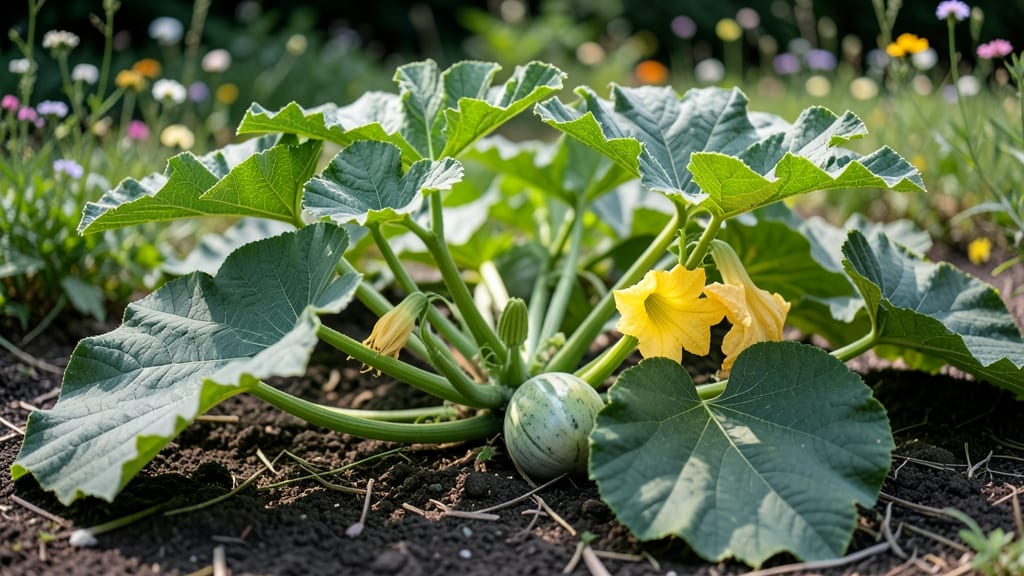
Growing squash flowers means turning your garden into a hummingbird hotspot while harvesting edible blooms that taste like sunshine. 🌻 I learned the hard way that squash flowers—from zucchini to pumpkin—aren’t just pretty; they’re a culinary treasure waiting to be picked.
The secret starts with the right soil, sunlight, and a little patience to coax those delicate petals into full bloom.
You’ll need well-draining soil rich in compost, at least 6 hours of sunlight daily, and consistent moisture—never soggy roots. The best part? These flowers thrive in the same space as their fruiting cousins, so you’re not sacrificing harvests for beauty.
Just plant seeds ½ inch deep after the last frost, and watch them climb toward the sky in 3-4 weeks.
Once blooming begins, you’ll be rewarded with vibrant yellow, orange, or white flowers that hummingbirds adore—and you can too. The petals pack a mild, squashy flavor perfect for salads or frying, while the stamens (the "squash blossom") are a gourmet delicacy.
Harvest flowers in the morning for the freshest taste, and let a few pollinate to keep the harvest coming.
Pair them with nasturtiums to deter pests, and you’ll have a low-maintenance, high-reward garden that feeds both you and the birds. Ready to grow your own edible bouquet?
📚 In This Guide
- What you need
- Instructions
- Tips and common mistakes
- Wrapping up and next steps
What you need
- ● Squash seeds or seedlings: Choose varieties like Cucurbita pepo (zucchini, pattypan) or Cucurbita maxima (hubbard, delicata) for vibrant blooms. Start with 3–5 seeds per plant (or 1–2 seedlings per pot if container-growing).
- ● Well-draining potting mix or garden soil: Amend garden soil with 2–3 inches of compost or use a high-quality seed-starting mix for containers.
- ○ Containers (optional but helpful): 5–10 gallon pots with drainage holes if growing in pots (squash needs space!).
- ● Fertilizer: Balanced fertilizer (10-10-10 or 5-5-5): Mix 1 tbsp per plant into soil at planting.
- ● Organic options: Composted manure (aged!) or worm castings (½ cup per plant).
- ● Watering can or hose with gentle spray nozzle: Squash flowers hate wet petals—water at the base!
- ● Pruning shears or scissors: For trimming spent blooms or harvesting.
- ○ Handheld fan (optional): Helps pollinate flowers if hummingbirds aren’t visiting.
- ● Sunlight: 6–8+ hours of full sun daily—squash flowers thrive in warmth!
- ● Temperature: Plant after the last frost when soil is at least 60°F (15°C).
- ● Space: Vines need 3–6 feet of diameter (or trellises for vertical growth).
- ● Patience: Flowers appear 4–6 weeks after planting (longer for cooler climates).
Step-by-step guide to cultivating edible squash flowers
Here's how to coax those stunning, hummingbird-loved blooms from your squash plants.
🌱 Step 1: Choose the Right Variety and Plant with Care
Start with bush or vining squash varieties known for prolific flowering—like 'Cocozelle', 'Buttercup', or 'Straightneck'. Plant seeds ½ inch deep in well-draining soil enriched with 2-3 inches of compost when nighttime temperatures stay above 55°F. I like to plant seeds in hills 3-4 feet apart to give vines room to sprawl.
Water deeply right after planting to settle the soil around seeds. Keep the soil consistently moist but not soggy—top inch should feel damp—until seedlings emerge in 7-14 days. If you're transplanting starts, harden them off first by gradually increasing outdoor exposure over 5-7 days to prevent shock.
☀️ Step 2: Provide Ideal Growing Conditions
Squash thrives in full sun—at least 6-8 hours daily. Position plants where they'll receive morning sun and afternoon shade if your climate runs hot. I've found that partial afternoon shade in 90°F+ weather prevents flowers from wilting before they open.
Feed plants when vines start running by mixing 1 tablespoon of 10-10-10 fertilizer per plant into the soil. Water at the base in the morning to keep foliage dry—this prevents powdery mildew, which can smother flowers before they bloom. Watch for yellowing lower leaves as a sign of overwatering or nutrient deficiency.
🌿 Step 3: Encourage Flower Production
Male squash flowers appear first on long stems—these are the ones you'll harvest for eating. Female flowers develop tiny squash at their base. To boost flowering, pinch off any early blooms that appear before plants are 12-18 inches tall—this redirects energy to stronger stems.
Hand-pollinate if needed by transferring pollen from male to female flowers using a small brush. Do this on mild, dry mornings when flowers are fully open. You'll know you've succeeded when female flowers start swelling at their base—this means pollination worked, and edible squash are on the way.
✂️ Step 4: Harvest Flowers at Peak Freshness
Pick flowers in the morning when they're fully open but still tight—before petals begin to wilt. Use clean scissors or fingers to snip stems just above a leaf node. I like to harvest flowers 2-3 inches from the vine to encourage more blooms to form.
Use flowers immediately or store in the fridge for 2-3 days in a paper towel-lined container. For longer storage, blanch and freeze. Watch for yellowing petals as a sign flowers are past their prime—harvest them before they lose their vibrant color.
Tips & tricks for perfect squash flower cultivation
Here's what I've learned after years of growing these delicate edible blooms—tricks that'll make all the difference between a handful of flowers and a bountiful harvest.
Variety Matters: Not all squash produce edible flowers! Stick with proven varieties like 'Cocozelle' or 'Buttercup'—they're bred specifically for both their fruit and flowers. I once tried growing 'Zucchini' flowers and was disappointed when they turned bitter and tough. The right variety makes all the difference in both flavor and texture.
Timing is Everything: Those 6-8 hours of daily sun are non-negotiable for healthy blooms. I've found that positioning plants to receive morning sun and afternoon shade in hot climates prevents flowers from wilting before they even open. In my zone 9 garden, I use shade cloth during peak afternoon hours when temperatures hit 90°F+.
Pruning for Productivity: The instruction to pinch off early blooms before plants reach 12-18 inches might seem counterintuitive, but trust me on this. I learned this the hard way after letting my first blooms form too early—it weakened the plants and reduced overall production. This simple step redirects energy to stronger stems that produce more abundant flowers later in the season.
Harvesting Hack: When harvesting those 2-3 inches from the vine, look for flowers where the petals are just beginning to unfurl but haven't fully opened. I use clean kitchen scissors for a precise cut just above a leaf node—this prevents damage to the main stem. The morning harvest gives you the freshest, most vibrant flowers for cooking or garnishing.
Pro Tips for Growing Squash Flowers
- Here's what I've learned after years of growing these delicate edible blooms—tricks that'll make all the difference between a handful of flowers and a bountiful harvest.
- Variety Matters: Not all squash produce edible flowers!
- Timing is Everything: Those 6-8 hours of daily sun are non-negotiable for healthy blooms.
Frequently asked questions
Got questions about nurturing edible squash flowers? You’re not alone—these vibrant blooms are as fascinating as they are delicious! Here are answers to the most common queries to help you grow with confidence.
When do squash flowers bloom, and how long do they last?
Squash flowers typically bloom 6–8 weeks after planting, depending on the variety and climate. Morning glory-like blooms open in the early morning and last just one day. For edible use, harvest them before they fully wilt—usually by midday.
Can I grow squash flowers indoors, or do they need a garden?
While squash plants thrive outdoors in full sun (6+ hours/day), you can try container gardening on a sunny patio or balcony. For indoor growing, use a grow light and ensure 60–70°F temperatures. However, expect smaller blooms and lower yields.
What do I do if my squash flowers aren’t opening?
Unopened squash flowers may be caused by cool temps (below 60°F), lack of pollinators, or overcrowding. Try:
- Hand-pollinate with a soft brush or cotton swab.
- Move plants to a warmer, sunnier spot.
- Attract bees/hummingbirds with native plants nearby.
Are all squash flowers edible, or do I need to pick specific types?
Most squash varieties (zucchini, butternut, acorn, etc.) produce edible flowers, but bitter gourds (like some wild types) should be avoided. Stick to common garden varieties for safe, flavorful blooms. Pro tip: Orange or yellow flowers often have sweeter petals!
How should I store squash flowers for cooking?
Store freshly picked squash flowers in the fridge (unwashed, in a paper towel-lined container) for up to 3–4 days. For longer storage, blanch and freeze them in olive oil (like you would greens). Use within 3 months for best texture.
Wrapping up and next steps
Growing squash flowers is a rewarding journey that brings beauty, pollinators, and even edible delights to your garden! 🌸 From selecting the right varieties to nurturing them with care, every step unlocks the magic of these vibrant blooms.
Whether you’re a seasoned gardener or just starting out, your efforts will soon be rewarded with stunning flowers that hummingbirds adore—and delicious treats for you.
Now that you’re armed with tips and tricks, take the next step: grab your gardening tools, pick your favorite squash variety, and let your garden flourish!
The more you grow, the more you’ll discover the joy of watching these edible blooms thrive—and maybe even inspire your neighbors to try their hand at it too. Happy gardening! 🌱