
Shrubs
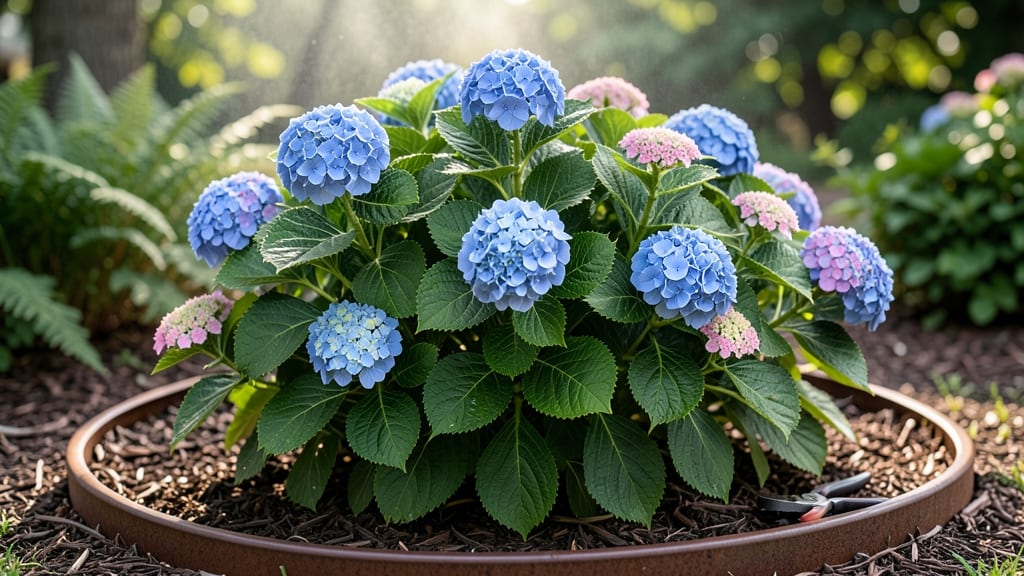
Small flowering perennial shrubs bring four-season charm without the fuss of annuals or the space demands of trees. 🌸 I remember my first garden makeover—replacing a struggling annual border with compact shrubs that bloomed from spring to frost, then held interest through winter with berries or bark texture.
The difference was immediate: vibrant color that lasted, zero deadheading, and plants that thrived on neglect.
These shrubs work in every garden niche: borders, containers, or layered woodland gardens. Look for varieties like butterfly bush (Buddleia), dwarf ninebark (Physocarpus), or spirea—all under 5 feet tall, drought-tolerant once established, and packed with pollinator appeal.
The key is matching bloom times: early spring with pieris, summer with abelia, and fall with hydrangea paniculata for continuous interest.
What you’ll love most is how effortlessly they blend into designs. Pair purple weigela with silver foliage for contrast, or tuck dwarf lilacs near walkways for fragrance. They handle pruning like champions—just shape after blooming—and bounce back from deer browsing better than most perennials.
The payoff? A garden that looks polished year-round with minimal work.
Perfect for small spaces, urban courtyards, or even patio pots. I’ll show you how to layer them for height, choose colors that complement your home’s palette, and mix textures for winter appeal. Let’s get started with plants that do the heavy lifting for you!
📚 In This Guide
- What you need
- Instructions
- Tips and common mistakes
- Wrapping up and next steps
What you need
- ● Small flowering perennial shrubs: Choose 3–5 drought-resistant varieties (e.g., Dwarf Butterfly Bush, Lavender, or Russian Sage). Buy 1–3 plants per variety, depending on desired coverage.
- ● Well-draining potting soil: 1–2 bags (10–20 lbs each) for containers or in-ground planting.
- ● Organic compost or slow-release fertilizer: 1 bag (10–15 lbs) to enrich soil and promote root growth.
- ○ Mulch (optional but recommended): 1–2 bags (1–2 cubic feet) of shredded bark or gravel to retain moisture and suppress weeds.
- ● Garden trowel or hand shovel: 1 medium-sized tool for digging small holes (6–8 inches deep).
- ● Gloves: 1 pair to protect hands from thorns or rough soil.
- ● Watering can or hose with a gentle spray nozzle: 1 to avoid disturbing delicate roots.
- ● Pruning shears: 1 pair for shaping and maintaining shrubs.
- ○ Measuring tape (optional): 1 to ensure proper spacing (typically 12–24 inches apart).
- ● A sunny or partially shaded spot with at least 4–6 hours of sunlight daily.
- ● Drought-tolerant soil: Amend heavy clay or sandy soil with compost for better water retention.
- ● Water source nearby for regular (but not excessive) hydration.
- ● Patience! Perennials may take 1–2 seasons to fully bloom but reward you with year-round beauty.
How to plant and maintain small flowering perennial shrubs
Here's how to establish resilient, low-maintenance shrubs that thrive year after year.
🌱 Step 1: Choose the Right Location and Soil
Select a planting site that receives 4-6 hours of sunlight daily—most flowering perennials need this minimum for vibrant blooms. Observe the area for 3-5 days to confirm light exposure before digging. Avoid low spots where water pools, as soggy soil invites root rot.
Amend the native soil with 2-3 inches of compost mixed into the top 12 inches of soil. Work it in until the texture resembles crumbly cake batter—light enough for roots to penetrate but with enough structure to hold moisture. Test drainage by digging a 12-inch hole, filling it with water, and checking if it drains within 30 minutes. If not, raise the planting bed or mix in sand or perlite for better aeration.
🪴 Step 2: Plant with Proper Spacing and Depth
Dig holes twice as wide as the root ball but only as deep as the container’s base—planting too deep suffocates roots. Gently loosen the root ball if it’s tightly packed, then place the shrub in the hole so the top of the root ball sits level with the surrounding soil. This prevents stem rot from buried stems.
Space plants 18-24 inches apart for single-stem varieties and 24-36 inches for multi-stemmed shrubs. Crowding leads to competition for water and nutrients, stunting growth and reducing flower production. Backfill with native soil mixed with 1 part compost, tamping lightly to eliminate air pockets. Water deeply to settle the soil and encourage root contact.
☀️ Step 3: Water and Mulch for Establishment
Water deeply once a week for the first 4-6 weeks to encourage deep root growth. You’ll know you’ve watered enough when 6 inches of soil remain moist—check by inserting a finger into the soil. Overwatering now causes shallow roots and weak stems. Use a soaker hose or drip irrigation to deliver moisture directly to the root zone without wetting foliage.
Apply a 2-3 inch layer of mulch around the base, keeping it 3 inches away from the stem to prevent rot. Use wood chips or shredded bark—they break down slowly, improving soil structure over time. Replenish mulch annually to maintain moisture retention and suppress weeds, which compete for nutrients. Avoid fresh mulch that hasn’t cured, as it can draw nitrogen from the soil.
✂️ Step 4: Prune for Shape and Encourage Blooms
Prune late winter or early spring, just as new growth begins to emerge. Remove dead, diseased, or crossing branches first, cutting back to the nearest outward-facing bud. This improves airflow and prevents fungal issues. For shaping, make cuts at a 45-degree angle just above a leaf node—this directs growth outward and strengthens the plant.
After flowering, trim back one-third of the oldest stems to encourage new growth and more abundant blooms next season. For continuous bloomers like butterfly bush or abelia, deadhead spent flowers regularly to redirect energy into new buds. Avoid heavy pruning in fall—it stimulates tender growth that won’t survive winter. Wear gloves and long sleeves when pruning, as some shrubs have thorns or sticky sap.
🌿 Step 5: Monitor and Adjust for Long-Term Health
Check plants monthly for signs of stress—yellowing leaves often signal overwatering, while crispy edges indicate underwatering. Adjust your watering schedule based on seasonal changes: reduce in winter and increase in summer heat. Fertilize once in early spring with a balanced, slow-release fertilizer (10-10-10) to support new growth without burning roots.
Watch for pests like aphids or spider mites, which thrive in dry conditions. Spray affected areas with neem oil or insecticidal soap in the early morning to avoid harming beneficial insects. If fungal diseases appear (like powdery mildew), improve airflow by thinning dense foliage and apply copper fungicide as a preventative measure. With proper care, your shrubs will reward you with years of low-maintenance color.
Tips & tricks for perfect small flowering perennial shrubs
Between us, these little tricks will help your drought-resistant beauties thrive for years without the guesswork. The secret to vibrant blooms and resilient growth lies in the details—so let's make them work for you.
Light Observation: That 4-6 hours of daily sunlight isn't just a suggestion—it's non-negotiable for most flowering perennials. I learned this the hard way after planting lavender in a shady spot that turned out to be "dappled" only in theory. Use a solar calculator app for 3-5 days to track actual sunlight patterns before digging. Morning sun is gentler than afternoon heat, so if you're choosing between two spots, prioritize east-facing locations.
Soil Texture Test: The perfect soil should crumble like cake batter when squeezed—not too loose, not too dense. If your native soil feels more like packed sand or heavy clay, mix in 2-3 inches of compost into the top 12 inches. For drainage issues, create raised beds instead of amending with sand—it's more effective and prevents compaction. I've found that adding perlite at planting helps maintain aeration long-term, especially in clay-heavy soils.
Planting Depth Visual: When placing your shrub, imagine the root ball as a pancake—you want the top of that pancake level with the surrounding soil, not buried like a pancake in syrup. Use a small stake to mark the original soil line on the root ball before removing it from the container. This simple trick prevents stem rot from buried stems, which is especially critical for woody perennials like butterfly bush.
Mulch Application Strategy: That 2-3 inch mulch layer should form a donut shape around your plant, with a 3-inch gap around the stem. Use wood chips or shredded bark that's been cured for at least 3 months—fresh mulch steals nitrogen from your plants. I've had great success with a 50/50 mix of hardwood chips and pine straw for moisture retention without compacting the soil. Replenish annually in late winter before new growth begins.
Pro Tips for Small Flowering Perennial Shrubs
- Between us, these little tricks will help your drought-resistant beauties thrive for years without the guesswork.
- Light Observation: That 4-6 hours of daily sunlight isn't just a suggestion—it's non-negotiable for most flowering perennials.
- Soil Texture Test: The perfect soil should crumble like cake batter when squeezed—not too loose, not too dense.
Frequently asked questions
about small flowering perennial shrubs—because every gardener deserves a little clarity!What’s the easiest small flowering perennial shrub for beginners?
Start with Dwarf Butterfly Bush (Buddleia davidii) or Dwarf Fothergilla—both are hardy, low-maintenance, and bloom reliably. They thrive in partial sun and tolerate average soil, making them perfect for first-time shrub growers. Just prune lightly after flowering!
When is the best time to plant these shrubs?
Plant in early spring or fall when temperatures are mild (50–70°F). Avoid extreme heat or frost, which can stress roots. Spring planting gives shrubs time to establish before summer, while fall allows roots to grow before winter dormancy. Pro tip: Water deeply after planting to reduce transplant shock!
How often should I water small flowering perennial shrubs?
Water deeply once a week (or more in extreme heat/drought) for the first year to encourage root growth. Once established, most drought-resistant varieties (like Cotoneaster or Abelia) need water only during prolonged dry spells. Check soil moisture 2–3 inches down—if it’s dry, it’s time to water!
What pests or diseases should I watch for?
Common issues include aphids, spider mites, and powdery mildew. Use insecticidal soap for pests and improve airflow to prevent mildew. Japanese beetles love roses and hydrangeas—handpick them early in the morning! Regular pruning keeps shrubs healthy and less prone to infestations.
Can I grow these shrubs in containers?
Choose compact varieties like Dwarf Lilac (Syringa meyeri) or Creeping Phlox. Use well-draining pots with holes, and repot every 2–3 years. Add a slow-release fertilizer in spring to keep them thriving in containers—just ensure they get enough sunlight (most need 6+ hours daily).
Wrapping up and next steps
Small flowering perennial shrubs are the secret weapon for effortless, long-lasting beauty in your garden—especially when drought-resistant varieties are on your side! 🌸 From vibrant blooms to low-maintenance charm, these plants bring year-round color with minimal fuss.
Whether you’re a seasoned gardener or just starting, they’re the perfect way to transform any space into a thriving, resilient oasis.
Ready to level up your garden? Start by picking one or two shrubs that match your climate and style, then watch your outdoor space flourish with minimal water and maximum impact. Happy planting! 🌱