
Pruning
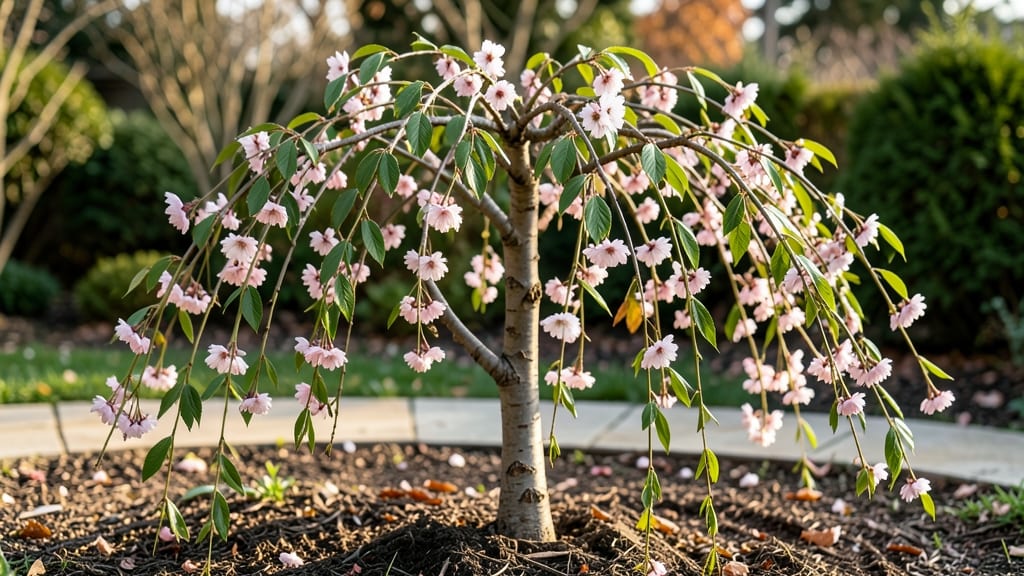
Transforming your yard into a living waterfall of pink and white blossoms starts with a weeping flower cherry tree—its cascading branches are the stuff of garden dreams. I planted mine last spring, and now it’s the centerpiece of my small courtyard, its delicate flowers swaying even in the lightest breeze.
The key to keeping those branches graceful year-round isn’t complicated, but it does require understanding when and how to prune for both beauty and health.
This tree thrives in full sun to partial shade and tolerates a range of soil types, though it prefers well-draining soil—sandy loam works best in my zone 6 garden.
You’ll need basic pruning tools (sharp bypass pruners, loppers, and gloves), and the process takes about 30-45 minutes per session, depending on the tree’s size. The real magic happens in late winter or early spring, when dormant buds are visible but before new growth starts.
With proper pruning, you’ll end up with a tree that looks like a fountain of flowers in spring, lush green foliage in summer, and stunning fall color before the branches go bare for winter.
The branches will grow long and elegant, creating that signature weeping habit that makes this tree so special. Plus, it’s low-maintenance once established—just water deeply once a week during dry spells and fertilize lightly in early spring.
Whether you’re shaping it as a standalone specimen or training it along a fence, this tree adapts beautifully to small spaces. The secret to long-term success? Prune correctly in the first few years to encourage that graceful, cascading form. Let’s get those branches looking their best for seasons to come.
📚 In This Guide
- What you need
- Instructions
- Tips and common mistakes
- Wrapping up and next steps
What you need
- ● Pruning shears – Bypass-style, sharp, and sterilized (for small branches, 5–10 inches in diameter)
- ● Pruning saw – Curved-tooth or folding saw (for thicker branches, 10+ inches in diameter)
- ● Gloves – Heavy-duty, cut-resistant (to protect from thorns and sap)
- ● Disinfectant – 70% isopropyl alcohol or bleach solution (1 part bleach to 9 parts water) (to prevent disease spread)
- ○ Pruning sealant – Optional but helpful for large cuts (to protect exposed wood)
- ● Ladder or step stool – Sturdy and tall enough to reach branches safely
- ● Trash bags or bucket – For collecting pruned branches
- ● Sharpie or permanent marker – For marking cuts if needed
- ● Extension pole pruners – For high branches without a ladder
- ● Handheld leaf blower – To clear debris after pruning
- ● Tree wound dressing – For extra protection on large cuts
- ● Work gloves with grip – For extra comfort during long sessions
- ● Choose a dry, sunny day (avoid pruning when branches are wet or frozen)
- ● Check local pruning guidelines (some areas have restrictions on when to prune flowering trees)
- ● Have a clear workspace—remove obstacles and lay down a tarp if needed
Step-by-step pruning guide for a beautiful weeping flower cherry tree
Here's how I keep my weeping cherry looking elegant year-round with minimal effort.
Prune at the Right Time for Best Results
Timing matters most with these delicate trees. I prune my weeping cherry immediately after flowering—usually in late spring or early summer—when the blooms have faded but new growth hasn't fully hardened. This ensures you remove spent flowers while leaving next year's bloom buds intact.
Never prune in fall or winter. The tree needs its energy reserves for winter survival and next spring's flowers. If you must do light maintenance, wait until late winter before buds swell, but avoid heavy pruning then—it stresses the tree when it's already vulnerable.
Remove Dead, Diseased, or Crossing Branches First
Start by inspecting the tree for any branches that are dead, broken, or diseased. These should come out first—no exceptions. I look for branches with no leaves, brown or mushy bark, or signs of fungal growth. Use clean, sharp pruners to make a clean cut just outside the branch collar (that swollen area where the branch meets the trunk).
Next, remove any branches that cross or rub against each other. These create wounds that invite disease and weaken the tree's structure. When branches compete for space, the weaker one always loses—remove it at the base. This opens up the canopy and lets light reach all parts of the tree, which is crucial for those delicate spring blooms.
Thin Out Overcrowded Areas for Airflow
Weeping cherries have a natural tendency to grow dense, so I focus on thinning rather than heavy cutting. Step back and look at the tree's overall shape—you want an open, airy silhouette. Remove about 20-30% of the smallest branches that are growing inward or toward the center. These are the ones blocking light and airflow.
I always work from the inside out. Start with the smallest branches first, then move to larger ones. This prevents creating large, gaping wounds that take years to heal. If you're unsure whether to remove a branch, ask: "Does this branch contribute to the tree's beauty or structure?" If not, it goes.
Shape the Tree for Graceful Growth
Now it's time to refine the tree's natural weeping form. Weeping cherries grow best when they can cascade naturally, so I avoid heavy pruning of the main branches. Instead, I focus on lightly trimming the tips of the longest branches to encourage bushier growth at the ends. This creates that elegant, fountain-like shape without sacrificing the tree's signature look.
For side branches, I might shorten them by 1/3 to 1/2 their length to maintain balance. Always cut just above a bud that faces outward—this ensures new growth continues the tree's natural shape. Avoid cutting back to old wood unless you're dealing with truly overgrown branches, as this can stimulate excessive flowering that weakens the tree.
Clean Up and Maintain Year-Round
After pruning, remove all debris from the area around the tree. I rake up fallen leaves and branches to prevent fungal diseases from taking hold. Sterilize your pruners with rubbing alcohol between cuts if you're working on multiple trees—this prevents spreading disease from one branch to another.
Finally, give the tree a deep watering to help it recover. The roots need moisture to support new growth, especially after a major pruning session. I also apply a 2-3 inch layer of mulch around the base (keeping it a few inches away from the trunk) to retain moisture and regulate soil temperature. This simple step makes a huge difference in how quickly the tree bounces back.
Tips & tricks for pruning a weeping flower cherry tree
Timing and technique make all the difference with these delicate trees—here's how to avoid common pitfalls while keeping your weeping cherry thriving.
Timing Secret: The late spring/early summer window after flowering is non-negotiable. I've seen trees stressed from winter pruning fail to bloom the next year because their energy was diverted to healing wounds instead of flower buds. If you miss this timing, wait until late winter before buds swell—but only for light maintenance, never heavy pruning.
Branch Selection Technique: When thinning in Step 3, I use the "one-third rule" for side branches—never remove more than one-third of any branch's length at once. This prevents shock to the tree. For the 20-30% of smallest branches you're removing, focus on those growing inward first—they're the real culprits blocking airflow and creating that dense, unnatural look.
Cutting Precision: The branch collar isn't just a technical term—it's your guidepost. I've made the mistake of cutting too close to the trunk, which creates ugly wounds that take years to heal. Always make your cut just outside that swollen collar area, and use sharp pruners to avoid tearing the bark. A clean cut means faster healing and less disease risk.
Post-Pruning Recovery: That deep watering after pruning isn't just symbolic—it's critical. I've seen trees wilt dramatically after heavy pruning when they weren't properly hydrated. The 2-3 inch mulch layer acts like a moisture blanket, but remember to keep it a few inches away from the trunk to prevent rot. Think of it as giving your tree a cozy blanket after surgery.
Pro Tips for Weeping Flower Cherry Tree
- Timing and technique make all the difference with these delicate trees—here's how to avoid common pitfalls while keeping your weeping cherry thriving.
- Timing Secret: The late spring/early summer window after flowering is non-negotiable.
- Branch Selection Technique: When thinning in Step 3, I use the "one-third rule" for side branches—never remove more than one-third of any branch's length at once.
Frequently asked questions
Got questions about keeping your weeping flower cherry tree stunning? You're not alone!
Here are answers to the most common queries—from pruning timing to troubleshooting—so you can enjoy its graceful beauty year-round.
When is the best time to prune a weeping flower cherry tree?
Prune your weeping flower cherry tree right after flowering (late spring to early summer). This ensures you don’t cut off next year’s blooms while still encouraging healthy growth. Avoid heavy pruning in fall or winter, as it can stress the tree and reduce spring flowering. Light shaping can be done anytime, but major cuts should wait until post-bloom season.
How much can I prune without harming the tree?
Weeping flower cherry trees thrive with moderate pruning—never remove more than 25% of the canopy in one season. Focus on thinning out crowded branches, dead wood, and crossing limbs. Over-pruning can weaken the tree and reduce its iconic floral display. If you’re unsure, start small and observe how the tree responds before making bold cuts.
Why aren’t my weeping flower cherry branches blooming as much as they used to?
Diminished blooms often stem from over-pruning, nutrient deficiencies, or poor sunlight. Ensure your tree gets 6+ hours of sun daily and prune only after flowering. Fertilize in early spring with a balanced, slow-release formula (10-10-10). If blooms are sparse but leaves are healthy, it might just be a natural cycle—these trees can be finicky!
Can I grow a weeping flower cherry tree in a container?
While possible, weeping flower cherry trees are not ideal for containers due to their size and root system. They thrive best in well-draining garden soil with ample space to spread their branches. If you’re set on container growth, choose a large pot (20+ gallons), prune aggressively to control size, and repot every 2–3 years. Expect slower growth and fewer blooms compared to in-ground planting.
What pests or diseases should I watch for in my weeping flower cherry?
Common issues include powdery mildew (white fungal spots), cherry leaf spot (dark spots with yellow halos), and aphids. Treat mildew with neem oil or fungicide; remove infected leaves immediately. Aphids can be blasted off with water or controlled with insecticidal soap. Prevention is key: Prune for airflow, water at the base (not leaves), and mulch to retain moisture.
Wrapping up and next steps
The weeping flower cherry tree is a stunning addition to any landscape, but its beauty thrives on thoughtful pruning.
By following this blueprint—timing cuts to late winter or early spring, using sharp tools, and mastering the art of selective thinning—you’ll keep its branches graceful and its blooms abundant year after year. 🌸
Ready to transform your tree into a showstopper? Grab your pruners, roll up your sleeves, and start small—even a single session makes a difference! For extra confidence, watch a quick pruning demo or consult a local arborist to refine your technique.