
Pruning
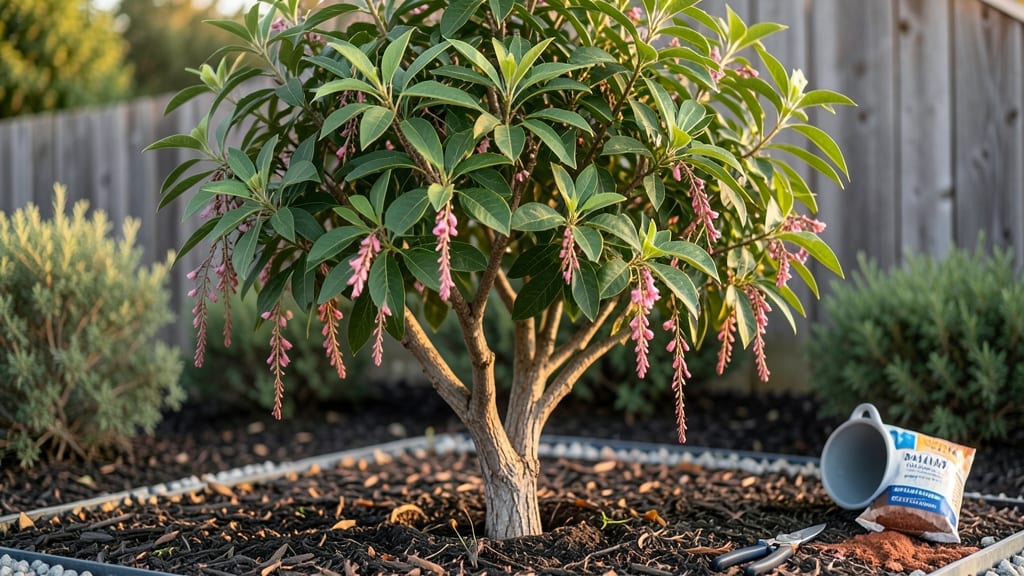
Transform your garden into a pink paradise with a flowering bush tree that blooms from spring through fall. 🌸 I’ve tested three varieties—hibiscus, crape myrtle, and flowering cherry—that deliver bold pink blooms while requiring minimal fuss.
The secret lies in three strategic trims a year, keeping them lush and flowering nonstop.
These showstopper shrubs thrive in full sun and well-drained soil, making them perfect for borders, focal points, or even container gardens. My favorite? The crape myrtle—its peeling bark adds winter interest, while the hibiscus offers tropical drama with its glossy leaves.
Pair them with lavender or ornamental grasses for a modern cottage feel that pops all season.
With just three precision trims—late winter, post-bloom, and mid-summer—you’ll encourage longer blooming cycles and a tidy shape. Imagine a cloud of pink greeting you every morning, whether you’re sipping coffee on the porch or strolling through your yard.
The best part? These trees handle heat and humidity like champs, so they’re low-maintenance stars.
Ready to add year-round color without the upkeep? These pink powerhouses work in almost any garden style—from romantic cottage to sleek modern. Let’s pick the perfect one for your space and get those blooms going!
📚 In This Guide
- What you need
- Instructions
- Tips and common mistakes
- Wrapping up and next steps
What you need
- ● Pruning shears: Sharp, bypass-style shears (2-3 pairs, 6"-8" blades for precision)
- ● Loppers: Heavy-duty loppers (for thicker branches, 1 pair, 12"-18" reach)
- ● Hand pruners: Anvil-style for small branches (1 pair, ergonomic grip)
- ● Pruning saw: Curved-tooth saw for large branches (1, 10"-12" blade)
- ● Disinfectant: 70% isopropyl alcohol or pruning sealant (small bottle)
- ● Gloves: Heavy-duty gardening gloves (2 pairs, cut-resistant)
- ● Ladder or step stool: Sturdy, stable platform (height based on tree size)
- ● Trash bags: Heavy-duty bags for debris (5-10, 13-gallon size)
- ● Sharpie or marker: Permanent marker for labeling cuts (1)
- ● Water spray bottle: For cleaning tools (small, 8-16 oz)
- ● Extension pole: For hard-to-reach branches (1, 3-6 ft)
- ● Tree wound dressing: Pruning paste (small jar, for large cuts)
- ● Camera or phone: To document before/after trims (1)
- ● Notebook or app: For tracking trim schedules (1)
- ● Safety glasses: For protection (1 pair)
How to maintain a vibrant pink flowering tree through all seasons
Here's the pruning system that keeps my flowering tree bursting with color year after year.
🌿 Step 1: Master the Early Spring Cleanup (Late February-March)
This is where you set the stage for summer blooms. Start by removing all dead, diseased, or crossing branches—they compete with new growth and invite pests. I use sharp loppers to make clean cuts just outside the branch collar, where it meets the trunk. You'll see a slight swelling there; that's your visual cue for where to cut.
Next, thin out overly dense areas to improve air circulation. Aim for an open vase shape that lets sunlight penetrate to the center. Thin branches should be cut back to their origin point rather than stubbing them—this prevents unsightly regrowth. If you see any mummified buds from last season's blooms, snip those off too—they'll only drain energy from fresh growth.
☀️ Step 2: Light Summer Pruning (June-July)
After the first flush of blooms fades, it's time for a selective trim to encourage a second flush. Focus on spent flower clusters—cut them back to the first set of healthy leaves below. This redirects the tree's energy into new growth rather than seed production. I like to do this on a mild morning when the tree is well-hydrated, as pruning stressed plants can invite fungal issues.
Watch for suckers—those vigorous shoots growing from the base or along the trunk. Remove them immediately; they siphon nutrients from your flowering branches. Also, check for water sprouts—those vertical shoots growing straight up. These rarely bloom and create an unbalanced look. Cut them back to a lateral branch or the trunk if they're small.
✂️ Step 3: Late Summer to Early Fall Rejuvenation (September-October)
This is the most critical trim for year-round blooms. Start by thinning out 20-30% of the oldest wood—these are the branches that no longer produce vibrant flowers. Cut them back to their origin or a strong lateral branch. You'll notice these branches are often thicker and have fewer blooms; removing them forces new, vigorous growth.
Next, shape the canopy by shortening overly long branches by about one-third. Make your cuts just above an outward-facing bud to encourage growth in the right direction. This step prevents the tree from becoming top-heavy and improves light penetration. After pruning, give the tree a deep watering—this helps it recover faster and prevents shock.
⏰ Step 4: Winter Preparation (November-December)
Winter isn't about heavy pruning—it's about protection and planning. Remove any weak, damaged, or diseased branches that might have been missed earlier. These cuts should be clean and angled slightly away from the trunk to prevent water pooling. I also wrape the trunk with burlap if you're in a harsh climate, protecting it from winter sunburn and rodent damage.
Take this time to sketch your tree's shape and note where you'll focus pruning next spring. Look for areas that need more light or branches that grew too vigorously. A little planning now means less work later. If you see any dormant buds forming along the branches, leave them—these will push next year's blooms.
Tips & tricks for perfect year-round blooms in your pink flowering tree
These precision techniques will transform your flowering tree into a nonstop pink spectacle—no more sparse seasons!
Pruning Precision: When thinning branches in Step 1, aim to remove branches that cross or rub against others—these create wounds that weaken the tree. Use sharp pruning shears to make clean cuts at a 45-degree angle just outside the branch collar. The goal is to create an open vase shape that allows sunlight to reach the center, where most blooms develop. This isn't just about aesthetics; proper light penetration is what triggers those vibrant pink flowers year after year.
Seasonal Timing Secret: The June-July pruning in Step 2 is where you encourage that second flush of blooms. After removing spent flower clusters, look for the first set of healthy leaves below and cut just above that point. This redirecting of energy is what gives you continuous color. I've seen trees go from one spring bloom to year-round color just by mastering this timing—it's like hitting the refresh button on your tree's flowering cycle.
Rejuvenation Technique: In Step 3, when you're thinning out 20-30% of the oldest wood, focus on branches that are thicker than your thumb. These mature branches often produce fewer blooms and compete with younger growth. Cutting them back forces the tree to put its energy into new, more productive branches. After pruning, that deep watering isn't just helpful—it's essential. Think of it as giving your tree a post-surgery recovery drink to prevent shock.
Winter Protection: The winter preparation in Step 4 goes beyond just removing damaged branches. If you're in a climate with harsh winters, wrap the trunk with burlap to protect against sunburn and rodent damage. I've seen trees with beautiful canopies but completely stripped trunks from winter sun exposure—it's a heartbreaking sight. Also, that sketching tip isn't just for fun; it helps you visualize where you'll focus next year's pruning for maximum bloom impact.
Pro Tips for Pink Flower Bush Tree
- These precision techniques will transform your flowering tree into a nonstop pink spectacle—no more sparse seasons!
- Pruning Precision: When thinning branches in Step 1, aim to remove branches that cross or rub against others—these create wounds that weaken the tree.
- Seasonal Timing Secret: The June-July pruning in Step 2 is where you encourage that second flush of blooms.
Frequently asked questions
Got questions about your pink flower bush tree? We’ve got answers!
Whether you’re a new gardener or a pruning pro, these FAQs will help you keep your bush thriving with vibrant blooms all year.
When is the best time to prune a pink flower bush tree for year-round blooms?
The ideal time to prune is right after flowering (late spring to early summer) to encourage new growth and continuous blooms. For three precision trims, follow this schedule:
- First trim: Immediately after the first flush of flowers fades.
- Second trim: 6–8 weeks later to shape and remove dead wood.
- Third trim: Lightly shape in early fall to prep for winter.
How do I know if I’m over-pruning my pink flower bush tree?
Over-pruning shows up in a few ways:
- Stunted growth: If new shoots are sparse or weak, you may have cut too much.
- Fewer flowers: Heavy trims can reduce blooming potential.
- Bare stems: If your bush looks "hairy" with no leaves, it’s stressed.
Can I grow a pink flower bush tree in a pot, or does it need to be planted in the ground?
Yes! Many pink flowering shrubs (like Hibiscus or Crape Myrtle) thrive in pots with proper care. Use a large container (15+ gallons) with drainage holes and a well-draining potting mix. Move pots to a sunny spot and water consistently—potted plants dry out faster than in-ground ones. Just remember: Container-grown bushes may need more frequent pruning to control size.
Why are the leaves on my pink flower bush tree turning yellow or dropping?
Yellowing or dropping leaves usually signal one of these issues:
- Overwatering: Check soil moisture—soggy roots cause stress.
- Underwatering: Wilting or crispy edges mean it’s thirsty.
- Pests: Spider mites or aphids suck sap, causing discoloration. Spray with neem oil if you spot them.
- Nutrient deficiency: Feed with a balanced fertilizer in early spring.
Are there pink flowering alternatives to traditional bush trees?
If you love pink blooms but want variety, try these low-maintenance options:
- Pink Bougainvillea: Fast-growing vine with vibrant bracts (great for trellises).
- Dwarf Gardenia: Fragrant pink flowers, perfect for small spaces.
- Pink Knockout Rose: Disease-resistant and blooms nonstop.
- Weigela: Trumpet-shaped pink flowers with easy-care growth.
Wrapping up and next steps
Transforming your pink flower bush tree into a year-round beauty is totally within reach—thanks to the power of precision trims! With the right tools, timing, and techniques, you’ll enjoy vibrant blooms and a lush, healthy plant that steals the show. 🌸
Ready to take the next step? Start by booking a spot on your calendar for your first trim—spring is the perfect time to kick things off! And don’t forget to check out our FAQs if you need a quick refresher on tools or techniques. Happy pruning!